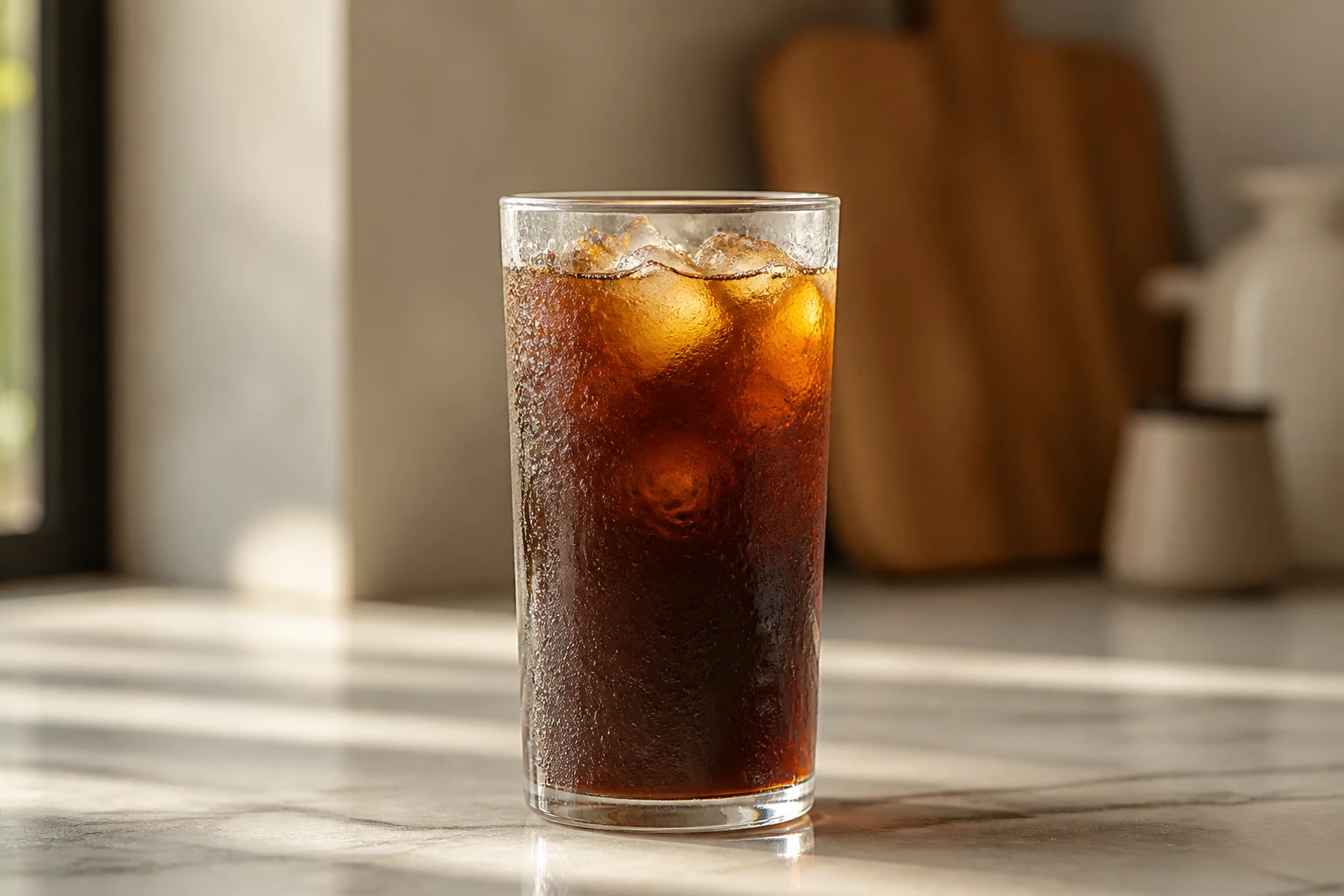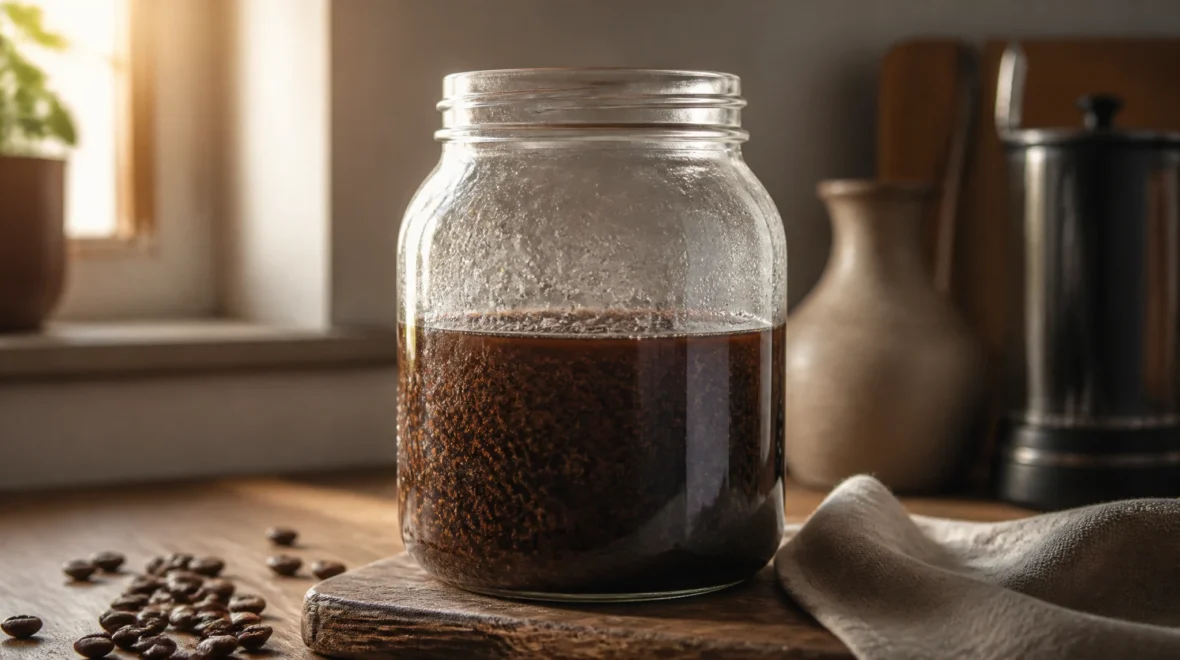
Quick Answer: To make cold brew coffee at home, combine 1 cup of coarsely ground coffee with 4 cups of cold water in a jar. Steep in the refrigerator for 12-24 hours, then strain through a fine mesh filter. Dilute with water or milk and serve over ice. The result is a smooth, less acidic coffee concentrate that stays fresh for up to two weeks.
Affiliate Disclosure: This post contains affiliate links. If you purchase through these links, we may earn a commission at no additional cost to you.
Imagine paying $5+ for a glass of cold brew at your local café—then discovering you can make an even better version at home for less than $1 per serving. Cold brew coffee has exploded in popularity, but most coffee lovers don’t realize how simple it is to master at home. Learning how to make cold brew coffee at home is simpler than you might think, offering a smooth, sweet profile that’s up to 67% less acidic than traditional hot-brewed coffee.
Whether you’re a seasoned barista or a curious beginner, this comprehensive guide will equip you with the knowledge and confidence to craft exceptional cold brew right in your kitchen.
Why Make Cold Brew at Home?
The Appeal of Cold Brew
Cold brew offers a unique sensory experience—less acidity, a naturally sweet profile, and a velvety mouthfeel. Its versatility makes it suitable for sipping straight, mixing into cocktails, or creating flavored drinks. Plus, making cold brew at home gives you complete control over quality, flavor, and strength.
Cost and Convenience
A 32oz cold brew at Starbucks costs $4.95. This recipe makes 48oz of concentrate for approximately $3-4 in beans—that’s less than half the price. Commercial cold brew can also contain additives or preservatives. Home brewing is cost-effective, customizable, and convenient—brew a batch once and enjoy for days.
The Science Behind Cold Brew Extraction
Solubility and Steep Time
Unlike hot brewing, which uses thermal energy to force compounds out of the bean rapidly, cold brew relies on time. Because the water is cold, the extraction is slower and more selective. This is why cold brew is the gold standard for low-acidity coffee: it extracts fewer acidic compounds (resulting in a pH of ~6.3 vs. ~5.0 in hot coffee) while still pulling out the heavy hitters—the oils, sugars, and complex aromatics. The cold temperature slows extraction, requiring longer steep times (usually 12-24 hours) to achieve full flavor.
Bean Selection
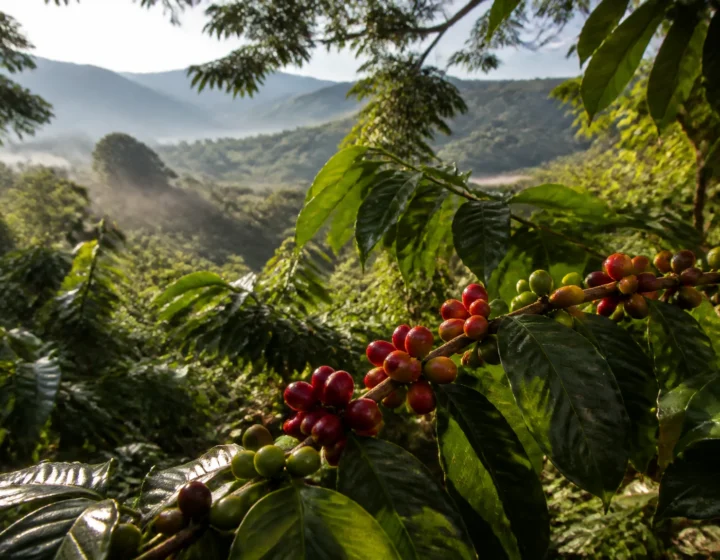
Choosing the right beans is crucial. In my testing, medium roasts from Ethiopian and Colombian origins produce the smoothest, most nuanced cold brew, while darker roasts lean into bold, chocolatey, and smoky profiles. Coffee beans develop distinct flavor profiles based on their growing conditions—learn more about how local climate patterns influence coffee bean development and how to adapt your brewing techniques accordingly.
Grind Size
A coarse grind (similar to kosher salt or cracked peppercorns) maximizes surface area while preventing over-extraction and clogging filters. I’ve found that inconsistent grind size is the #1 cause of bitter or weak cold brew. Investing in a quality burr grinder transformed my results. For detailed guidance on choosing the right grinder, see our comprehensive guide to the best coffee grinders for every budget and brewing method.
The Ultimate Cold Brew Recipe
While there are several approaches, this guide focuses on the best cold brew method for beginners and enthusiasts alike: the 1:4 Concentrate Method.
Recipe Summary: Cold Brew Concentrate
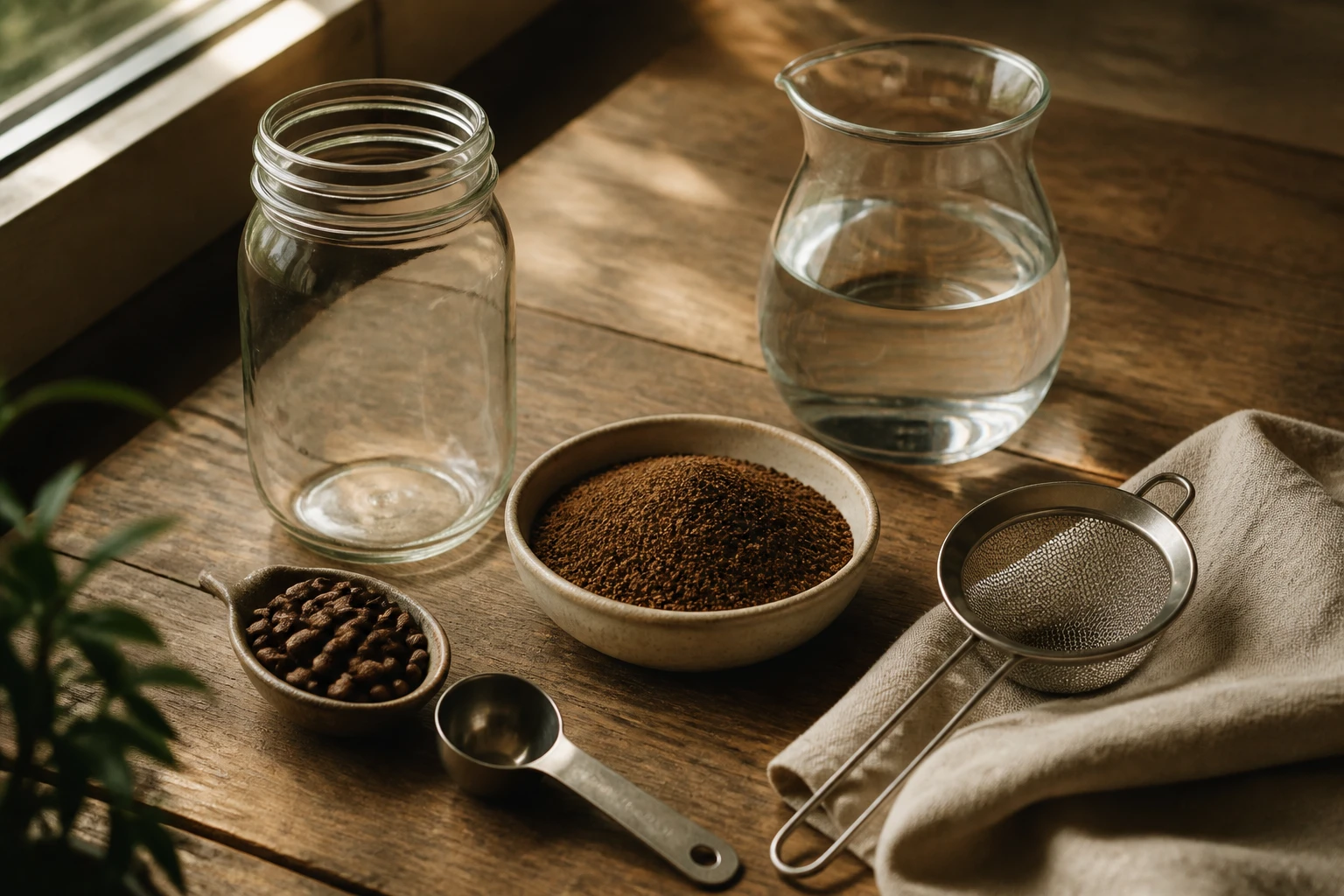
- 85g (1 cup) Coarsely Ground Coffee
- 950ml (4 cups) Filtered Water
- Ratio: 1:4
- Steep Time: 12-24 Hours
- Temperature: Cold/Room Temp
Instructions:
- Grind: Grind beans to a coarse consistency (like kosher salt).
- Mix: Combine grounds and water in a large jar. Ensure all grounds are saturated.
- Steep: Cover and refrigerate for 12-24 hours.
- Filter: Strain through a fine mesh sieve, then a paper filter or cheesecloth.
- Serve: Dilute to taste with water, milk, or over ice.
Pro Tip: Use a 1:8 ratio (e.g., 85g coffee to 680ml water) if you prefer a ready-to-drink strength that doesn’t require dilution. For precise measurements on your specific coffee-to-water ratios, use our Coffee Strength Calculator to find your perfect balance.
Creative Flavor Variations
Transform your cold brew at home into a café-worthy experience:
Sweet & Aromatic Additions
- Vanilla Bean or Cinnamon: Add a split vanilla bean or a whole cinnamon stick during the steeping phase. The oils will infuse deeply into the concentrate.
- House-made Syrups: Instead of store-bought, simmer sugar, water, and vanilla for 10 minutes to create a clean, professional sweetener.
Bright & Zesty Options
- Citrus Zest: Incorporate orange or lemon zest for a bright, refreshing top note.
- Spiced Cold Brew: Mix in cardamom, cloves, or ginger for a warming twist that pairs exceptionally well with cream.
Serving Tips to Elevate Your Cold Brew Experience
- Serve over ice for a refreshing experience
- Dilute with water or milk if your brew is too strong
- Add sweeteners or flavorings to taste
- Create layered drinks by pouring cold brew over flavored syrups or milk
- Garnish with coffee beans, cinnamon sticks, or fresh herbs
Troubleshooting Common Issues
After brewing hundreds of batches, I’ve learned that most cold brew problems have simple solutions:
Weak or Watery Cold Brew
Use more coffee grounds or extend steeping time. A quality burr grinder like the Baratza Encore ensures a proper coarse grind that maximizes extraction.
Overly Strong or Bitter
Reduce steep time to 12 hours or use slightly coarser grounds. Remember, you can always dilute strong concentrate, but you can’t strengthen weak brew.
Cloudy or Sediment-Rich Brew
Ensure proper filtration using multiple passes through fine mesh or paper filters. Use fresh, coarsely ground beans and avoid disturbing the grounds during steeping.
Frequently Asked Questions About Cold Brew Coffee
How long does cold brew last in the fridge?
Cold brew concentrate stays fresh for up to 2 weeks when stored in a sealed container in the refrigerator. The flavor profile may shift slightly over time, becoming smoother and less bright.
What’s the best coffee-to-water ratio for cold brew?
A 1:4 ratio (1 cup coffee to 4 cups water) creates a concentrate that you can dilute to taste. Adjust to 1:8 for ready-to-drink strength that doesn’t require dilution.
Can I make cold brew with pre-ground coffee?
Yes, but freshly ground beans produce better flavor and aroma. Ensure the grind is coarse, like sea salt. Pre-ground coffee often includes fine particles that can make your cold brew cloudy and bitter.
Do I need special equipment to make cold brew at home?
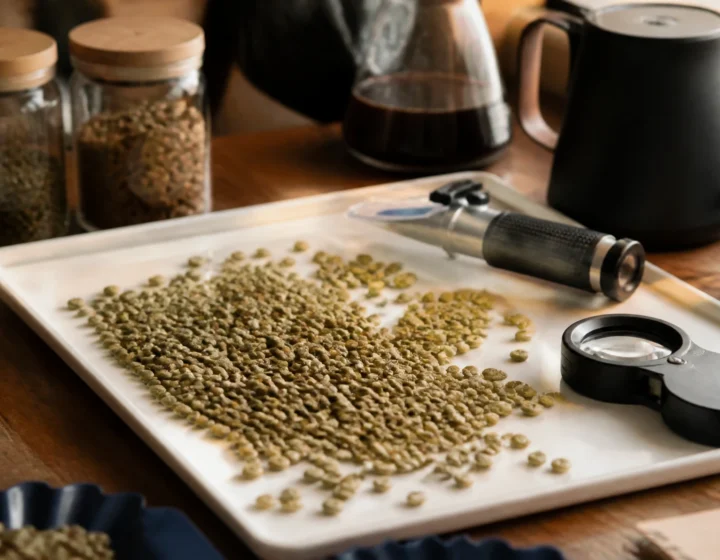
No—a jar, coffee filter, and strainer work perfectly. Dedicated cold brew makers simply streamline the process. Understanding how microclimates affect coffee cupping can help you fine-tune your brewing approach at home with any equipment.
Start Your Cold Brew Journey Today
Now that you know how to make cold brew coffee from scratch, it’s time to experiment. Start with the basic recipe, then explore flavor variations that excite your palate.
Your Next Steps:
- Choose high-quality beans (medium roast is great for beginners)
- Invest in a burr grinder for consistent coarse grounds
- Brew your first batch using the 1:4 ratio
- Keep a tasting journal to track what works
The beauty of cold brew at home is that each batch teaches you something new. Your perfect cold brew is waiting—and it’s easier to achieve than you might think.
Ready to level up? Explore our guides on coffee grinder selection and advanced brewing techniques to continue refining your coffee craft.