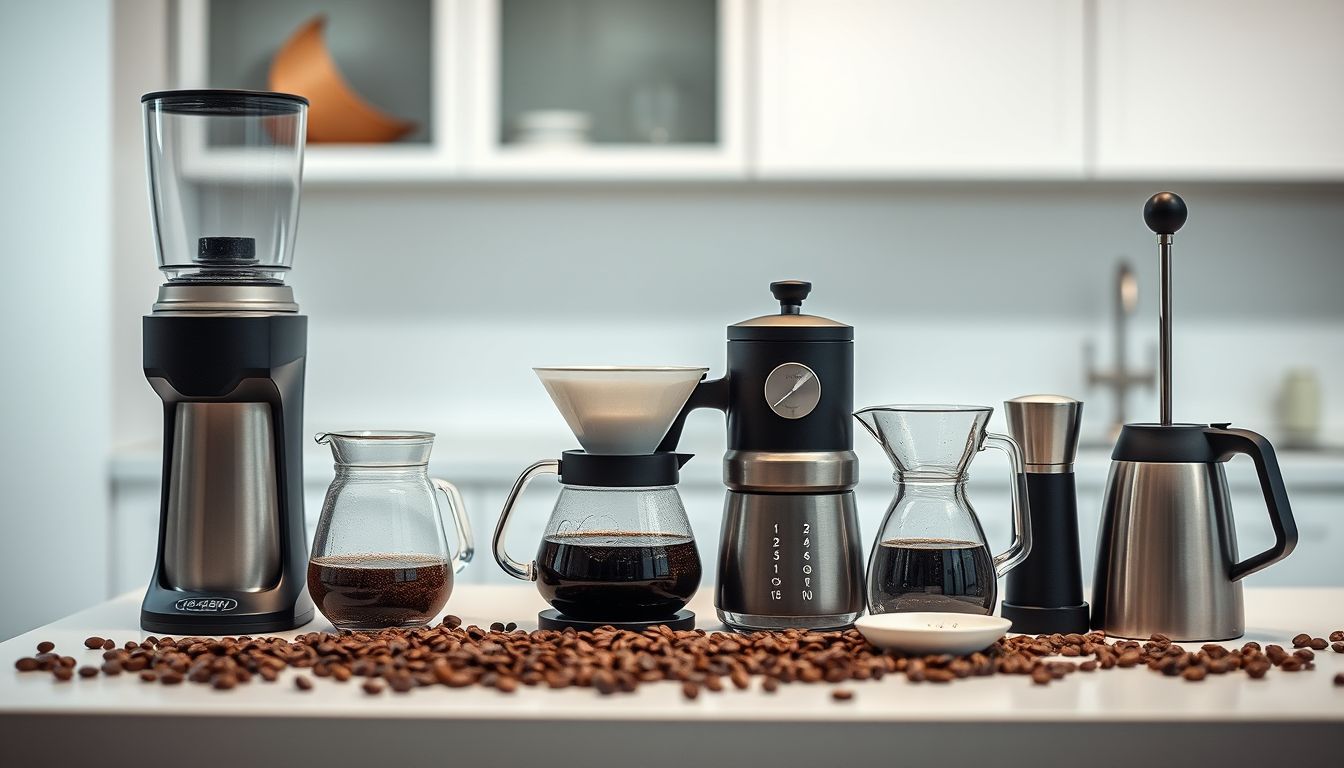
Many home brewing problems can be fixed with one upgrade: a proper grinder. An espresso machine paired with pre-ground coffee often produces worse results than a simple pour-over setup with freshly ground beans from a quality grinder.
This guide covers everything from manual grinders under $50 to premium electric models over $500, to help you choose a grinder for your brewing method and budget.
| Budget Range | Best Pick | Price | Best For |
|---|---|---|---|
| Under $50 | Timemore C2 | $65 | All methods except espresso |
| $100-300 | Baratza Encore | $150 | Drip, pour-over, French press |
| Espresso Focus | Baratza Sette 270 | $350 | Espresso, moka pot |
| Premium | Fellow Ode + SSP | $500 | Pour-over perfection |
Quick pick
Baratza Encore ESP: consistent filter grinds, fine enough for espresso, and repairable with parts sold separately.
Why Your Grinder Matters More Than You Think
Grind quality is the foundation of good coffee. When coffee beans are ground, we’re creating surface area for water to extract soluble compounds. The uniformity and size of these particles directly control extraction rate and, ultimately, flavor.
The Science of Particle Distribution
A quality grinder produces a narrow particle size distribution—meaning most particles are roughly the same size. Poor grinders create a wide distribution with both fine dust and large boulders. The result is simultaneous over-extraction (bitter compounds from fines) and under-extraction (sour notes from large particles).
This is why the standard advice is: invest in your grinder first, everything else second.
Burr vs Blade Coffee Grinders: Which Type Should You Choose?
Blade Grinders
Blade grinders use spinning blades to chop coffee beans, similar to a food processor. While coffee purists often dismiss them entirely, they serve a purpose in specific scenarios.
Pros:
- Extremely affordable ($15-40)
- Compact and portable
- Easy to clean
Cons:
- Inconsistent particle size
- Heat generation during grinding
- No precise size control
Best for: French press, cold brew, or emergency situations when freshly ground coffee beats pre-ground alternatives.
Burr Grinders
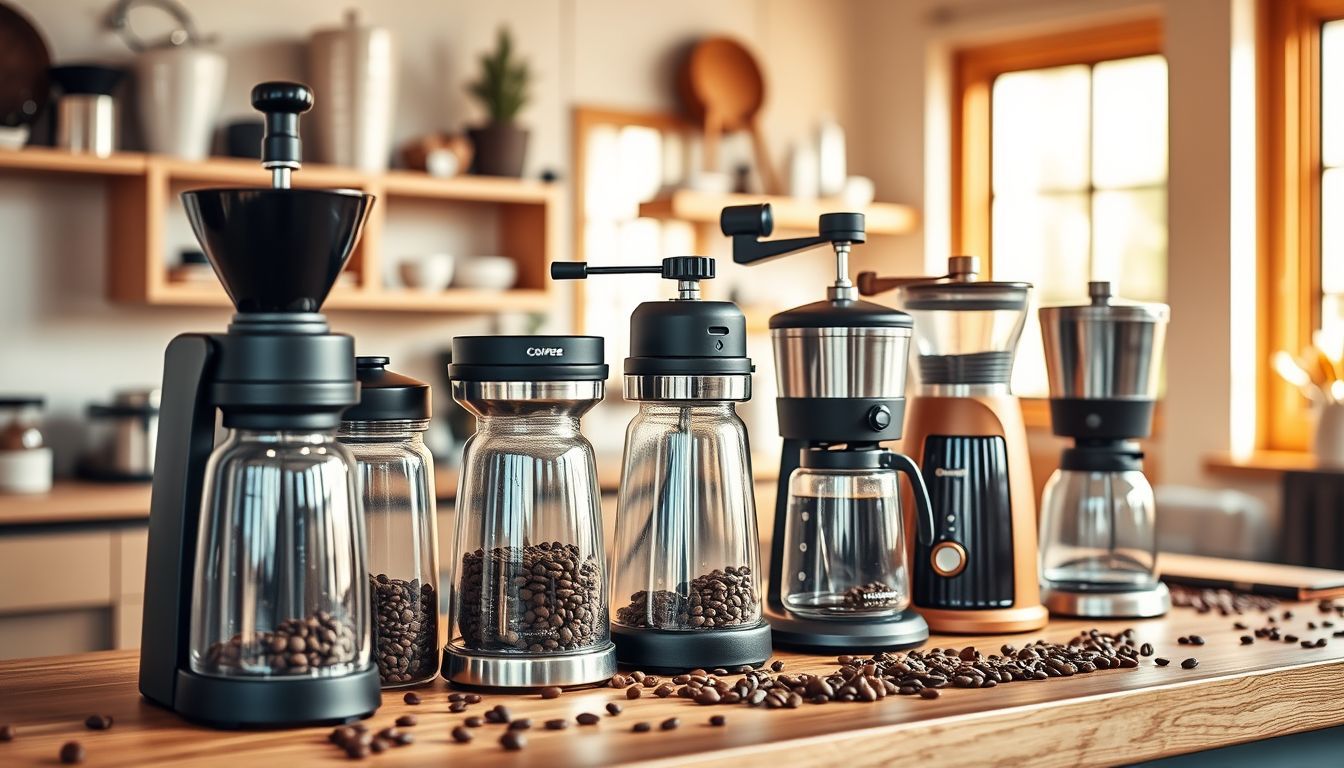
Burr grinders crush beans between two abrasive surfaces (burrs), producing consistent particle sizes. They come in two varieties: flat burrs and conical burrs.
Flat Burr Grinders:
- Produce extremely uniform particles
- Excel at espresso grinding
- Generally more expensive
- Can retain more grounds
Conical Burr Grinders:
- Versatile across brewing methods
- Less heat generation
- Better for oily beans
- Easier to clean
Quick Decision Guide
- Budget under $100? → Timemore C2 (manual) or Cuisinart DBM-8 (electric)
- Primarily espresso? → Baratza Sette 270 or Eureka Mignon Specialita
- Convenience matters most? → Baratza Encore or OXO Brew
- Pour-over perfectionist? → Fellow Ode with SSP burrs
- Commercial-level quality? → Mahlkönig EK43
Budget Grinders ($25-100)
Hario Mini Mill Slim ($35)
This manual grinder is good value. The ceramic conical burrs (24 grind settings, 24g capacity) produce consistent results, especially for pour-over. Grinding 20 grams takes about two minutes of hand-cranking, but the grind is consistent for the price.
Best for: Pour-over, AeroPress, French press
Avoid for: Espresso (too inconsistent at fine settings)
Cuisinart DBM-8 ($50)
For those requiring electric convenience on a budget, the Cuisinart DBM-8 Supreme Grind Automatic Burr Mill offers decent burr grinding without the premium price. It is not perfect, but it is a clear upgrade from blade grinders and handles medium grinds well.
Best for: Drip coffee, pour-over
Limitations: Struggles with espresso-fine grinds
Timemore C2 ($65)
This manual grinder offers strong value. The steel conical burrs, improved from earlier Timemore models, deliver consistent results across a wide range of grind sizes. The ergonomic design makes grinding less of a chore.
What sets the C2 apart is its build quality at this price. The steel conical burrs (38mm diameter) deliver consistent particle distribution across 13 click adjustments, and owners say the bearing system makes grinding easy.
Best for: All brewing methods except espresso
Tip: Upgrade to the C3 ($85) if espresso is in your future
Grab the Timemore Chestnut C2 Manual Coffee Grinder for a strong budget option.
JavaPresse Manual Grinder ($35)
If you prefer an all-metal option, the JavaPresse Manual Coffee Grinder offers 18 grind settings in a sleek stainless-steel body. It suits travel or small kitchens.
Mid-Range Grinders ($100-300)
Baratza Encore ($150)
The Encore is a common first step into serious coffee grinding. Its 40mm conical steel burrs, 40 grind settings, and 227g hopper capacity produce consistent results for most brewing methods, while the simple interface and sturdy build make it easy to use.
Strengths:
- Excellent customer support
- User-replaceable parts
- Consistent medium to coarse grinds
- Moderate noise level
Limitations: Not ideal for espresso, some retention issues
Best for: 2-4 cups daily
OXO Brew Conical Burr Grinder ($200)
Oxo’s grinder stands out for its attention to detail. The one-touch timer, anti-static grounds container, and surprisingly good grind consistency make this a compelling choice for drip coffee enthusiasts.
Discover it on Amazon: OXO Brew Conical Burr Coffee Grinder with Integrated Scale
Baratza Virtuoso+ ($250)
Stepping up from the Encore, the Virtuoso+ offers improved burrs, digital timer, and better overall build quality. It suits serious home brewers who aren’t ready for a prosumer grinder.
Best for: Pour-over, drip, French press
Perfect for: Family use
Upgrade consideration: The improved burr set makes a noticeable difference
Espresso-Focused Options ($200-500)
Baratza Sette 270 ($350)
Designed specifically for espresso, the Sette 270’s innovative straight-through grinding path minimizes retention while its 40mm conical steel burrs, 270 micro-adjustments, and 310g hopper enable precise dialing-in.
Strengths:
- Exceptional espresso performance
- Low retention
- Fast grinding
Considerations: Loudest in category, not ideal for coarse grinds
Eureka Mignon Specialita ($400)
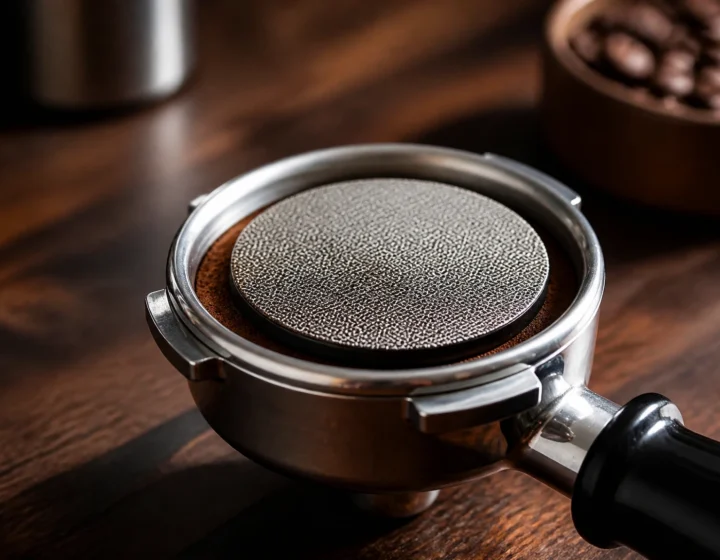
This Italian-made grinder combines compact design with serious performance. The 55mm flat steel burrs, stepless adjustment, and 300g hopper produce excellent espresso grinds, and the motor is notably quiet.
Best for: Espresso, moka pot
Standout feature: Quiet operation
Premium Grinders ($500+)
Fellow Ode ($300) + SSP Burrs ($200)
The Ode, designed for filter coffee, becomes a precision instrument when upgraded with SSP burrs. The SSP upgrade is popular with pour-over enthusiasts for its grind uniformity.
Best for: Pour-over, drip coffee
Perfect for: Pour-over perfection
Investment note: The burr upgrade is essential for optimal performance
Baratza Forte BG ($900)
With its commercial-grade 54 mm ceramic burrs and precise controls, the Forte BG grinds very consistently. It’s more than most home users need but suits serious enthusiasts or small cafes.
Best for: All brewing methods
Perfect for: Multiple brewing methods
Justification: When grind quality is paramount
Mahlkönig EK43 ($2,500+)
The EK43 is a fixture in specialty coffee shops. Originally designed for grinding spices, it has large 98 mm burrs that produce very uniform particles across all grind sizes.
Best for: Everything (when budget allows)
Reality check: Serious overkill for home use
Matching Grinders to Brewing Methods
French Press & Cold Brew
Grind requirement: Coarse, uniform (1000+ microns – extra coarse)
Recommendations: Hario Mini Mill Slim, Baratza Encore, any burr grinder
Avoid: Blade grinders (too many fines)
Pour-Over (V60, Chemex, Kalita)
Grind requirement: Medium-fine, very uniform (400-600 microns – medium-fine)
Recommendations: Timemore C2, Baratza Virtuoso+, Fellow Ode
Key factor: Particle uniformity matters more than absolute size
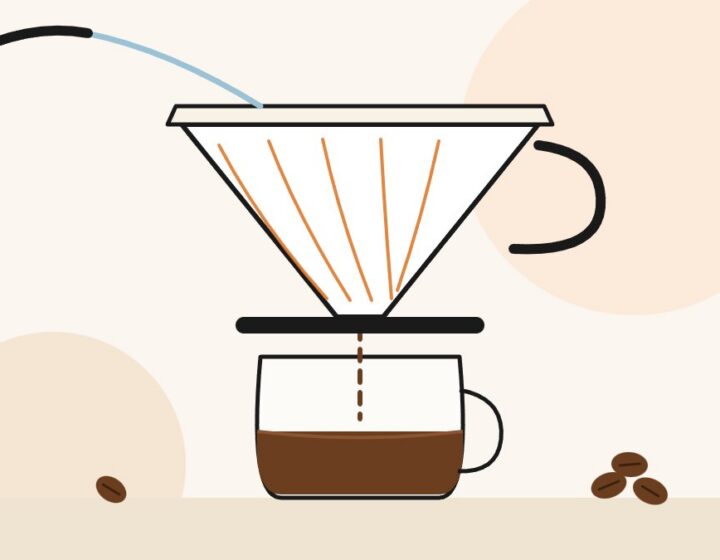
For the ultimate pour-over setup, don’t forget your dripper and filters. The classic Hario V60 Ceramic Coffee Dripper and a pack of quality filters are must-haves.
Espresso
Grind requirement: Fine, adjustable, low retention (250-300 microns – fine)
Recommendations: Baratza Sette 270, Eureka Mignon Specialita
Critical factor: Stepless adjustment capability
AeroPress
Grind requirement: Medium-fine, forgiving
Recommendations: Almost any burr grinder works well
Advantage: AeroPress is remarkably forgiving of grind inconsistencies
Pair it with the AeroPress Original Coffee Press for a truly portable experience.
Coffee Grinder Maintenance
Daily: Empty hopper and grounds drawer
Weekly: Wipe down exterior, clean removable parts
Monthly: Deep clean burr chamber (disassemble manual grinders)
Annually: Professional calibration for electric grinders
Burr replacement: Manual grinders (5-7 years), Electric (3-5 years with heavy use)
Tip: Avoid grinding flavored coffee in your main grinder, since the flavoring oils can carry over into future batches.
How to Choose the Right Coffee Grinder for Your Needs
Choosing the right grinder requires honest assessment of your brewing habits, budget, and quality expectations. Here’s a simple decision framework:
- Identify your primary brewing method
- Set a realistic budget (remember: grinder first, everything else second)
- Consider convenience factors (manual vs. electric, noise levels, counter space)
- Plan for growth (will you explore espresso eventually?)
Top Picks by Category
- Best Overall Value: Timemore C2
- Best Electric Under $200: Baratza Encore
- Best for Espresso: Baratza Sette 270
- Best Premium Filter Grinder: Fellow Ode with SSP burrs
- Best No-Compromise Option: Mahlkönig EK43
Frequently Asked Questions About Coffee Grinders
Q: Can I use my coffee grinder for spices?
A: It’s best not to. Spice oils can leave flavors that carry over into your coffee.
Q: How do I know when my burrs need replacement?
A: Watch for longer grinding times, inconsistent particle sizes, or noticeably different coffee taste after 3-5 years of regular use.
Q: Manual vs electric – which is better?
A: Manual grinders offer better value and portability; electric provides convenience. Both can produce excellent results in their price ranges.
Conclusion
The “best” grinder is the one that matches your brewing style, budget, and quality expectations. A $65 Timemore C2 will improve your morning pour-over more than upgrading from a $100 to $200 brewing device.
Start with a grinder that meets your current needs but leaves room for growth. Whether that’s a Hario Mini Mill or a Eureka Mignon, the main step is switching to freshly ground coffee.
Our top budget pick is the Timemore Chestnut C2 Manual Coffee Grinder; the full recommendations are above.
What to buy next
See our top-rated picks by category, or browse every coffee product we’ve researched.