Quick pick
AeroPress: works with any heat source that can boil water and cleans up with a rinse.
Best Non-Electric Coffee Makers for Camping and Power Outages
When the power goes out, your usual coffee routine goes with it: no grinder and no drip machine.
Camping raises the same problem. Either way, you still want a cup that tastes like chocolate and toasted nuts rather than smoky pond water.

This guide covers coffee gear that works without electricity: what to buy, how to brew, and how to avoid bitter, gritty cups.
The basics of off-grid coffee
Non-electric coffee is simple: you’re replacing machines with muscle, patience, and a heat source. You can make very good coffee with almost nothing, but ignoring the basics gets you a gritty, bitter mug.
The three numbers that keep you out of trouble
- Water temperature: aim for 200°F (93°C) for most methods. No thermometer? Bring water to a boil, then let it sit 30–60 seconds.
- Brew ratio: start at 1:16 (coffee:water). Example: 20 g coffee to 320 g water for a big mug.
- Contact time: most immersion methods taste best around 2–4 minutes; push longer and you can drift into bitterness.
The real off-grid priority: grinding
Pre-ground coffee is convenient, but it goes stale quickly once ground, and aromatics like bergamot, cocoa and ripe berries fade fast.
A hand grinder is the single biggest upgrade for camping/outages. Look at Timemore Chestnut C2, 1Zpresso JX, or, for a bigger budget, Comandante C40.
Actionable takeaway: Build a tiny baseline kit: hand grinder + scale (optional but helpful) + one brewer + a way to boil water (camp stove, kettle on a gas range, or even a pot over a fire). Then memorize 1:16 and “boil, wait 45 seconds.”
Best all-around: AeroPress
If you want one non-electric coffee maker that works in a tent, in a blackout, and in a hotel room with a suspicious kettle, it’s the AeroPress.
It’s light, very durable and forgiving. When you nail it, the cup is sweet and clean with a plush texture—think a natural Ethiopia tasting like blueberry jam and cocoa. When you don’t, it’s still fine, which is what you want from an emergency brewer.

How to brew it
- Coffee: 15 g
- Water: 240 g (that’s 1:16)
- Temp: 200°F (93°C)
- Steep: 2 minutes, then press 20–30 seconds
If you’re brewing something bright—like a washed Ethiopia from Sey Coffee—this keeps the florals (jasmine, sweet citrus) intact without turning it sour.
Why it’s great for outages
You don’t need electricity. You don’t need a gooseneck kettle. Cleanup is just popping the spent puck into the trash.
Actionable takeaway: Pack an AeroPress with a small bag of filters and pre-measured doses in little zip bags (15–18 g each). During an outage, the fewer decisions the better.
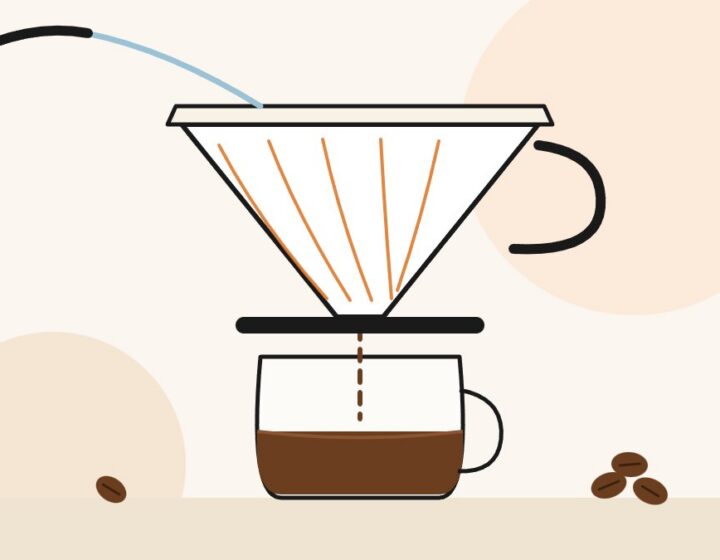
Best for filter coffee: Hario V60
The Hario V60 is a favorite for sparkling, aromatic coffee, as long as you’re not also trying to keep a campfire alive. It highlights clarity: a washed Kenya can taste like blackcurrant and grapefruit; a Colombia can come off like caramel and orange peel with a clean, tea-like finish.
But pour-over is attention-hungry. In a storm or a blackout, you may not want a method that needs your full attention.
Brewing without a gooseneck
Use a V60, but pour from a normal kettle/pot in slow, small circles, close to the bed. Or bring a tiny silicone spout attachment (yes, another accessory, but it helps).
Simple V60 recipe for camping/outages
- Coffee: 20 g
- Water: 320 g (1:16)
- Temp: 200°F (93°C)
- Bloom: 40 g water for 30 seconds
- Total brew time: 2:45–3:30
If you’re using a coffee like Passenger Coffee‘s washed offerings, you’ll get that bright, citrus-forward fragrance and a clean finish instead of muddy bitterness.
Actionable takeaway: If you’re not bringing a gooseneck, grind slightly coarser than your home V60 setting and keep your pours gentle. Your goal is even saturation, not flooding the bed.
Best for groups: French press and Clever Dripper
When you’re brewing for more than one person—or you just want something that doesn’t require a delicate wrist technique—immersion methods work best.
French press: big batches, big body
A French press gives you that thicker, velvety body and heavier mouthfeel. Great for chocolatey coffees like Counter Culture Hologram or Stumptown Hair Bender, where you want richness and a roasted-nut character.

Basic recipe:
- Coffee: 30 g
- Water: 450 g (about 1:15)
- Temp: 200°F (93°C)
- Steep: 4 minutes
- Press: slowly, then decant immediately
If you leave coffee sitting on the grounds, it keeps extracting and you get bitterness that tastes like burnt walnut skins.
Clever Dripper: filter clarity without pour-over technique
The Clever Dripper is immersion + paper filter. It works well in stressful situations because it’s hard to mess up.
Try:
- Coffee: 20 g
- Water: 320 g (1:16)
- Steep: 2:30
- Drawdown: 1:00–1:30
You get a cleaner cup than French press—more like sweet citrus and honey, less like “texture.”
Actionable takeaway: If you want one method for both camping and outages and you often brew for two, the Clever is a strong choice. Just remember to pack filters.
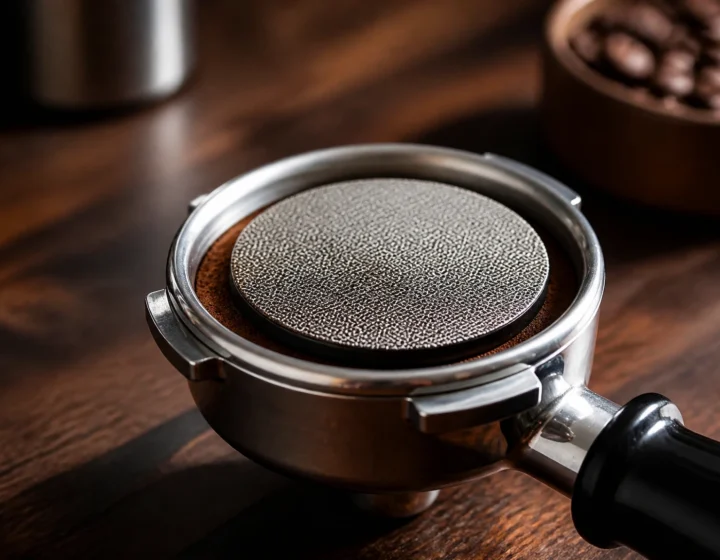
Best for espresso-style coffee: moka pot and hand-pump espresso
Sometimes you want a small, intense cup with a dark chocolate aroma and a syrupy body rather than a full mug.
Moka pot: stovetop and old-school
A Bialetti Moka Express works on gas stoves and camp stoves. It makes strong coffee—not true espresso (pressure is lower than 9 bar), but delicious when you treat it right.
Key tips:
- Use hot water in the base to reduce time on heat (less bitterness).
- Use a medium-fine grind (not espresso powder).
- Pull it off heat when the stream turns pale and starts “gurgling.”
Coffee like Intelligentsia Black Cat (or any chocolate-forward espresso blend) tastes great here: cocoa, toasted sugar, and a dense, comforting body.
Wacaco Nanopresso / Picopresso: manual espresso
If you want the most espresso-like result without electricity, Wacaco‘s manual brewers are a strong option. You’ll still need hot water, but the pressure is generated by hand pumping.
This is where fresh grinding matters even more—stale pre-ground gives thin shots with no sweetness.
Actionable takeaway: For moka pot or hand-pump espresso, prioritize a grinder that can do consistent fine grinds (1Zpresso JX-Pro style). And preheat your water—less time on heat equals less harshness.
Bonus: cowboy coffee when you have no gear
If you have a pot, coffee, and heat, you can make coffee. It won’t be elegant, but it works.
How to make cowboy coffee
- Ratio: 1:15 (e.g., 30 g coffee / 450 g water)
- Bring water near boil, remove from heat for 30 seconds
- Stir in grounds, steep 4 minutes
- Tap the pot, splash a tiny bit of cool water to settle grounds, then pour slowly
With good coffee it can smell like toasted pecan and cocoa, though the last sip will always be a little gritty.
Actionable takeaway: Keep a small paper filter stash in your emergency kit. Even cowboy coffee can be improved by pouring through a filter-lined funnel (or a makeshift cone).
Build a 72-Hour Outage Coffee Kit
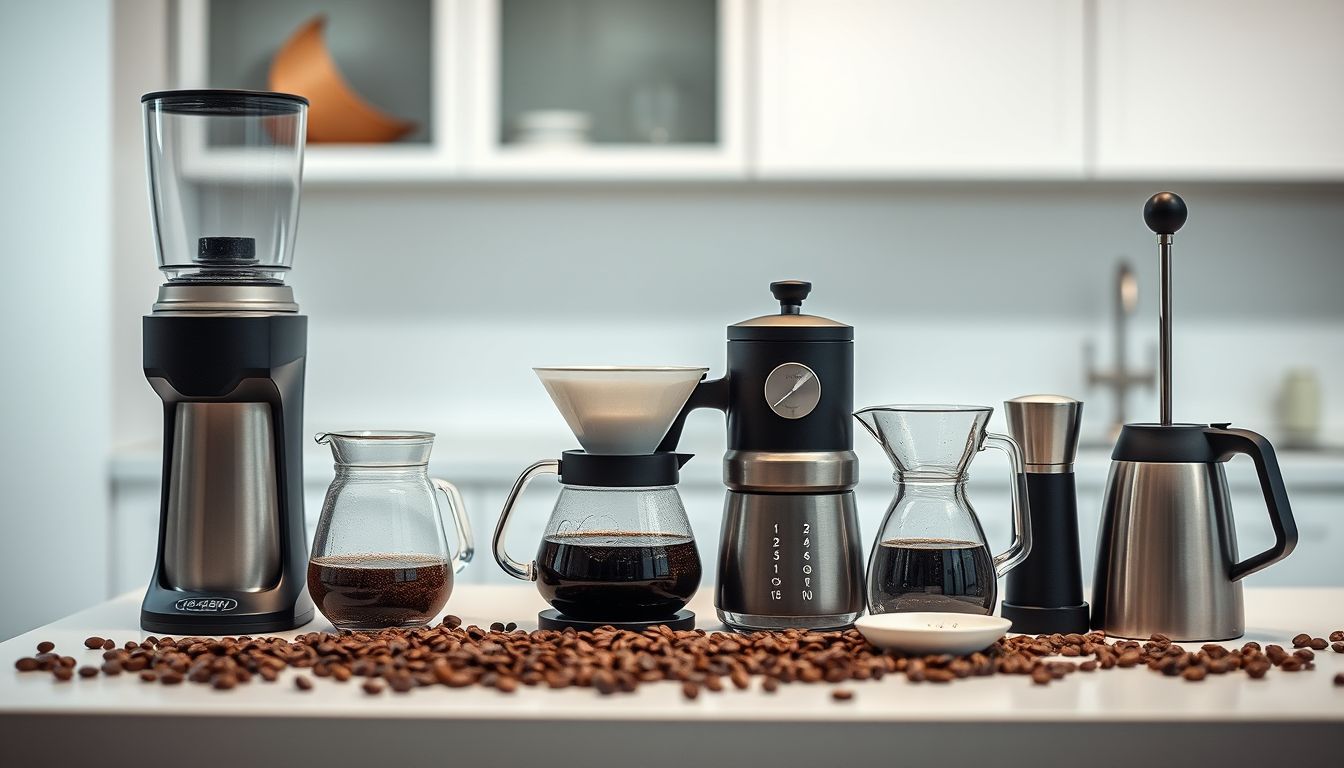
If the goal is coffee through a two- or three-day power outage, pack a small kit and keep it together with your other emergency supplies. Everything below works on a camp stove, a grill side burner, or a kettle heated over a fire.
- A hand grinder, since electric grinders are useless without power. The 1Zpresso J is fast and consistent; the JavaPresse manual grinder is a cheaper backup.
- A brewer that doesn’t need a gooseneck. A French press, AeroPress or moka pot all work. A Bialetti Moka Express or a Primula stovetop percolator brews directly over a flame.
- A no-heat option. Cold brew needs only time. A Hario Mizudashi pitcher steeps in 12–24 hours, which is handy if fuel is limited.
- Heat and fuel. A camp stove with spare canisters, stored and used outdoors only.
- Water. Set aside drinking water for coffee on top of your normal emergency supply.
- Beans or grounds in an airtight container, plus filters if your brewer needs them. A jar of instant coffee is a sensible last resort.
Practice once before you need it. Brewing on a camp stove in the dark is easier when you already know how long your kettle takes to boil.
Conclusion: practice before you need it
Off-grid coffee is about keeping your morning routine when the power is out or you are away from home.
Pick one portable coffee maker you’ll actually use (AeroPress if you want forgiveness, Clever if you want easy filter coffee, moka pot if you want bold intensity). Practice once at home with 200°F water, a 1:16 ratio, and a timer, then pack it.
When the power returns, you might also look at coffee makers that keep coffee hot all day, or programmable brewers that start before you wake up.