The best travel coffee makers for digital nomads are portable, durable devices under 500g. Top choices include the AeroPress Go ($40-50, 318g) for convenience, Wacaco Nanopresso ($70-80, 336g) for espresso, and Hario V60 Travel Set ($35-45, 280g) for pour-over enthusiasts. All are built to handle travel and make good coffee.
If you work from co-working spaces and short-term rentals, you know the coffee can be unreliable. A good travel coffee maker lets you brew decent coffee wherever you are.
Why Digital Nomads Need Dedicated Coffee Gear
Most digital nomads drink a couple of cups of coffee a day and rely on local cafés or whatever their accommodation provides. The reality:
- Many rentals have subpar coffee equipment (often an old drip machine)
- Co-working space coffee is hit or miss
- Local café quality varies wildly, with consistency being the biggest issue
Portable coffee gear can pay for itself fairly quickly if you would otherwise buy coffee out every day, and it gives you a reliable cup wherever you’re working.
Many people also enjoy brewing your perfect cup as a slower part of the day on the road.
Essential Criteria for Travel Coffee Makers
When evaluating travel coffee makers for digital nomads, three factors matter most: size, durability, and versatility.
| Feature | Ideal Spec | Why It Matters |
|---|---|---|
| Weight | Under 500g | Carry-on compliance |
| Material | Stainless/durable plastic | Survives travel abuse |
| Brew Time | Under 5 minutes | Time-pressed nomads |
| Power Source | Manual preferred | Works anywhere |
Size and Weight Constraints
When you’re living out of a carry-on (or trying to), weight adds up. Aim for portable coffee makers for travel that weigh under 500 grams and fit in a laptop bag.
Travel brewers range from 50-gram pour-over cones to 2-kilogram espresso machines, and the heavier end is hard to justify in a carry-on.
Durability Factor
A travel coffee maker may have to survive:
- Turbulent flights in overhead compartments
- Humid tropical climates
- Dusty desert environments
- The occasional drop onto hostel floors
Materials matter here. Stainless steel and durable plastics hold up well; delicate glass components do not.
Brewing Versatility
The best travel-friendly coffee equipment adapts to local conditions. Can’t find your preferred grind size? Need to work with varying water temperatures? The best travel brewers give consistent results across those variables.
Top Travel Coffee Makers
New to manual brewing? All of the devices below are simple to use. Start with the AeroPress Go for the easiest learning curve, then explore other methods as you develop your technique.
AeroPress Go: Best Overall
Weight: 318g | Price Range: $40-50 | Durability Score: 9/10
The AeroPress Go is one of the most popular brewers among nomads, and owners consistently report it surviving years of travel, drops included. The brewing method is forgiving enough to work with inconsistent grinds and water temperatures, yet capable of very good coffee.
Pros:
- Very durable polypropylene construction
- Brews in under 2 minutes
- Easy cleanup (crucial when you’re washing dishes in a hostel sink)
- Includes a travel mug
Cons:
- Requires proprietary filters (stock up before heading to remote locations)
- Single-cup brewing only
- The plunging action can be awkward in cramped spaces
Best For: Solo travelers who prioritize consistency and convenience over brewing ritual.
Hario V60 Travel Set: Best for Pour-Over
Weight: 280g | Price Range: $35-45 | Durability Score: 7/10
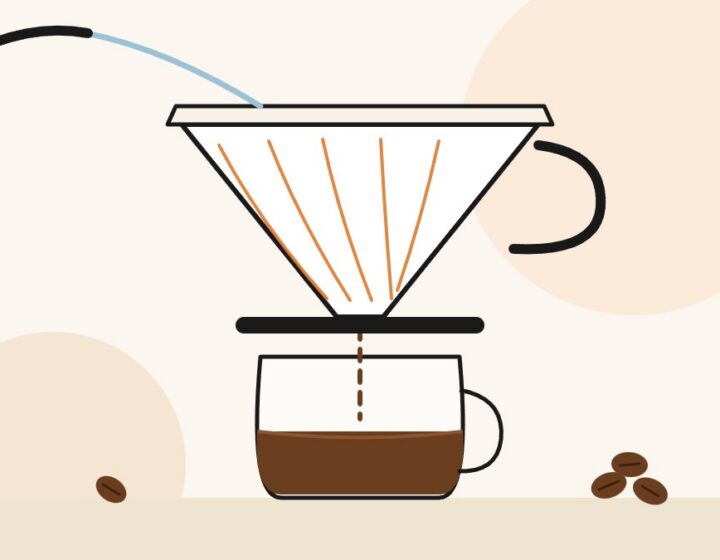
For people who enjoy a hands-on brew, the V60 travel set offers full pour-over in a compact package. The silicone dripper is very durable, and pour-over gives you a lot of control over extraction.
Pros:
- Lightweight and packable
- Produces exceptional coffee when technique is dialed in
- Standard #02 filters are widely available
- Doubles as a regular dripper at home
Cons:
- Requires gooseneck kettle for optimal results
- Technique-sensitive (your coffee quality will vary with your skill)
- No built-in serving vessel
Best For: Coffee enthusiasts who don’t mind a more involved brewing process and have consistent access to proper kettles.
Wacaco Nanopresso: Best for Espresso
Weight: 336g | Price Range: $70-80 | Durability Score: 8/10
The Nanopresso makes espresso practical on the road. This hand-powered portable espresso maker generates up to 18 bars of pressure – enough for genuine crema and proper extraction.
Pros:
- Produces actual espresso, not just strong coffee
- No electricity required
- Compact and well-engineered
- Works with both ground coffee and Nespresso pods (with adapter)
Cons:
- More expensive than other options
- Requires fine, consistent grind
- Learning curve for optimal technique
- Small capacity (80ml shots)
Best For: Espresso drinkers who want real shots wherever they are.
GSI Outdoors Collapsible Pour Over: Best Budget Option
Weight: 142g | Price Range: $15-20 | Durability Score: 6/10
Not every nomad has a generous coffee budget, and the GSI Collapsible Pour Over proves you don’t need to spend big for decent travel coffee. This silicone dripper collapses to nearly flat, making it ideal for ultralight travelers.
Pros:
- Extremely lightweight and packable
- Very affordable
- Uses standard #4 filters
- Dishwasher safe
Cons:
- Basic construction feels flimsy
- No flow control features
- Requires separate mug or vessel
- Limited brewing capacity
Best For: Budget-conscious travelers and ultralight backpackers who prioritize weight savings over brewing sophistication.

Essential Accessories
Portable Grinders
Pre-ground coffee goes stale quickly, and good grinding options can be hard to find on the road. A portable grinder solves this.
Top Pick: Timemore Chestnut C2 (160g, $65-75)
This manual grinder is known for consistent results for its size and price. The adjustment mechanism is precise enough for different brewing methods, and the build quality holds up to travel.
Travel Kettles
Many accommodations lack proper kettles, and hostel kitchen equipment is often unreliable.
Recommended: Bonavita 0.5L Travel Kettle (680g, $45-55)
While heavier than other options, this kettle’s gooseneck spout and temperature control make it worthwhile for serious coffee nomads who plan longer stays.
Digital Scales
Consistent coffee requires consistent ratios, and eyeballing measurements leads to inconsistent results.
Best Option: Hario V60 Drip Scale (1.4kg – better for longer-term bases)
Ultralight Alternative: AWS SC-2KG (340g, $25-30)

Thermal Storage
Many travel scenarios mean brewing coffee hours before you can drink it – airport layovers, long bus rides, or early morning hikes. While travel coffee makers excel at brewing, keeping coffee hot all day requires quality thermal containers. Look for vacuum-insulated travel mugs rated for 6+ hours of heat retention.
Regional Considerations
Southeast Asia
High humidity can affect coffee storage and equipment performance. Invest in airtight containers and be prepared for slower drying times after cleaning.
Europe
220V electrical systems mean your travel kettle needs dual voltage capability. Many European cities have excellent coffee cultures, so your travel gear might serve as backup rather than primary brewing method. For longer-term stays in European apartments, consider programmable coffee makers that work while you sleep to complement your portable setup.
South America
Excellent coffee availability but inconsistent grinding facilities. A portable grinder becomes essential here.
Africa
Water quality varies significantly. Consider portable filtration systems alongside your coffee gear.
More Portable Gear Worth Packing
- Battery espresso maker: the OutIn Nano heats its own water, which helps when there’s no kettle. It is heavier and more expensive than a hand-pump model, and it makes an espresso-style shot rather than café espresso.
- Budget hand grinder: the JavaPresse manual grinder is slim enough for a carry-on. It is slower than premium grinders.
- Small scale: a compact scale like the Greater Goods digital espresso scale keeps ratios consistent when every hotel mug is a different size.
Packing checklist
- Brewer and any filters it needs
- Hand grinder, or pre-ground coffee in an airtight bag
- Scale or a measuring scoop
- Collapsible kettle or a plan for hot water
- Small cleaning cloth and a zip bag for used grounds
The Economics of Travel Coffee
If you would otherwise buy café coffee every day, a $100-200 travel setup can pay for itself within a couple of months, since beans cost far less per cup.
More importantly, you get consistent, good coffee wherever you land.
Where to Buy Travel Coffee Makers
Most of these compact coffee brewers are available through Amazon, specialty coffee retailers, and directly from manufacturers. Check multiple sources for the best prices, since the same model can vary noticeably in price.
Tip: Buy before your trip starts. While you can find these products internationally, prices and availability vary significantly by region.
Frequently Asked Questions
What is the best portable coffee maker for travel?
The AeroPress Go is the best overall portable coffee maker for travel, offering the ideal balance of weight (318g), durability, brew quality, and ease of use. It’s particularly forgiving with inconsistent coffee grinds and water temperatures you’ll encounter while traveling.
How much do travel coffee makers weigh?
Quality travel coffee makers typically weigh between 140g and 500g. The lightest options like the GSI Collapsible Pour Over weigh just 142g, while more feature-rich options like the Wacaco Nanopresso weigh 336g. Anything over 500g becomes impractical for frequent travelers.
Do travel coffee makers make good coffee?
Yes, manual travel coffee makers can produce coffee that rivals or exceeds what you’d get at most cafés. Devices like the AeroPress Go and Hario V60 use brewing methods favored by specialty coffee professionals. The key is using fresh beans and proper technique.
What coffee maker do digital nomads use?
The AeroPress Go is a common choice for digital nomads because of its durability, consistency, and ease of cleaning in varied accommodations. Espresso lovers prefer the Wacaco Nanopresso, while pour-over enthusiasts opt for the Hario V60 Travel Set.
Conclusion
Good coffee on the road mostly comes down to choosing a durable, compact brewer that suits how you like your coffee.
If you’re new to travel coffee gear, start with an AeroPress Go. It offers the best balance of convenience, quality and durability. As you figure out your preferences, you can add or swap equipment.
Your Next Steps:
- Identify your coffee preference (espresso vs. filter coffee)
- Set your budget ($40-$200 covers most needs)
- Consider your typical travel style (ultralight backpacking vs. longer-term stays)
- Start with one core brewer and add accessories as needed
Don’t overthink it. Even a basic travel coffee maker is a big step up from relying on whatever your accommodation provides.
Remember, the best coffee maker for digital nomads is the one you’ll actually use consistently. A $200 espresso maker you never use is worth less than a $40 dripper you use every day.
What to buy next
See our top-rated picks by category, or browse every coffee product we’ve researched.