Unveiling the Roast Date Mystery
I once ruined a $50 bag of rare Colombian Geisha by brewing it 12 hours after roasting. The cup was sour, flat, and nothing like the tasting notes promised. As a coffee importer who’s witnessed beans from farm to cup, I learned an expensive lesson: the roast date mystery isn’t about how fresh your coffee is—it’s about knowing when to brew it.
Affiliate disclosure: This post contains affiliate links. As an Amazon Associate we earn from qualifying purchases, at no extra cost to you. Details.
Contrary to popular belief, understanding coffee bean degassing time is crucial—brewing immediately after roasting doesn’t yield the best flavor. Let’s delve into this intriguing phenomenon.
The Degassing Process: A Crucial Waiting Period
Quick Answer: Coffee bean degassing time varies by roast level: light roasts need 5-10 days, medium roasts 3-5 days, and dark roasts 1-3 days after roasting. This resting period allows CO₂ to escape, preventing sour flavors and ensuring balanced extraction for your best-tasting cup.
When coffee beans are roasted, they undergo complex chemical transformations, releasing carbon dioxide (CO₂) as a byproduct. This CO₂ remains trapped within the beans and continues to escape over time—a process known as degassing. Research shows that coffee beans can release up to 1-2% of their weight as CO₂ within the first 24 hours after roasting. Freshly roasted coffee beans releasing carbon dioxide gas during the degassing process
Brewing coffee too soon after roasting can result in excessive CO₂ interfering with extraction, leading to sour or unbalanced flavors. This off-gassing period is essential for flavor development.
Why CO₂ Affects Your Brew
During extraction, trapped carbon dioxide creates channels in the coffee bed, causing water to flow unevenly. This results in under-extraction of some particles and over-extraction of others, producing that characteristic sour, unbalanced taste I experienced with my Colombian Geisha.
Signs Your Coffee Needs More Rest
Watch for these indicators that your beans haven’t completed their optimal coffee resting period:
- Excessive bloom during brewing (coffee bubbles aggressively)
- Sour or sharp flavors dominating the cup
- One-way valve on coffee bag remains puffed or tight
- Overwhelming, almost astringent aroma when you open the bag
Tip: Allow your coffee beans to rest for a few days post-roast to ensure optimal flavor development.
Optimal Coffee Bean Degassing Time by Roast Level
Knowing when to brew coffee after roasting depends on the roast level. The ideal coffee bean degassing time varies depending on how deeply the beans were roasted:
- Light Roasts (5-10 days): Require a longer degassing period to develop their nuanced flavors. The denser structure of light roasts traps more CO₂, necessitating extended rest for those delicate, fruity notes to emerge properly.
- Medium Roasts (3-5 days): Generally reach peak flavor between 3-5 days post-roast. This balanced roast level offers the most flexibility in brewing timelines while still delivering consistent results.
- Dark Roasts (1-3 days): Often ready to brew after 1-3 days, as they degas more rapidly. The expanded cellular structure from longer roasting allows CO₂ to escape more quickly.
Understanding these timelines is especially important if you’re roasting your own beans—learn more in our guide to creating your perfect roast profile using a $40 popcorn maker.
| Roast Level | Degassing Time | Best For | Flavor Profile When Ready |
|---|---|---|---|
| Light | 5-10 days | Pour over, drip | Bright, complex, fruity |
| Medium | 3-5 days | Most methods | Balanced, sweet, nutty |
| Dark | 1-3 days | Espresso, French press | Bold, rich, chocolatey |
These timeframes are based on industry standards from the Specialty Coffee Association and align with what I’ve observed across dozens of roasteries worldwide. Comparison of light, medium, and dark roast coffee beans showing different roast levels and their degassing timelines
Tip: Tailor your brewing schedule to the roast level to maximize flavor potential.
The Role of Roasters: Transparency in Roast Dates
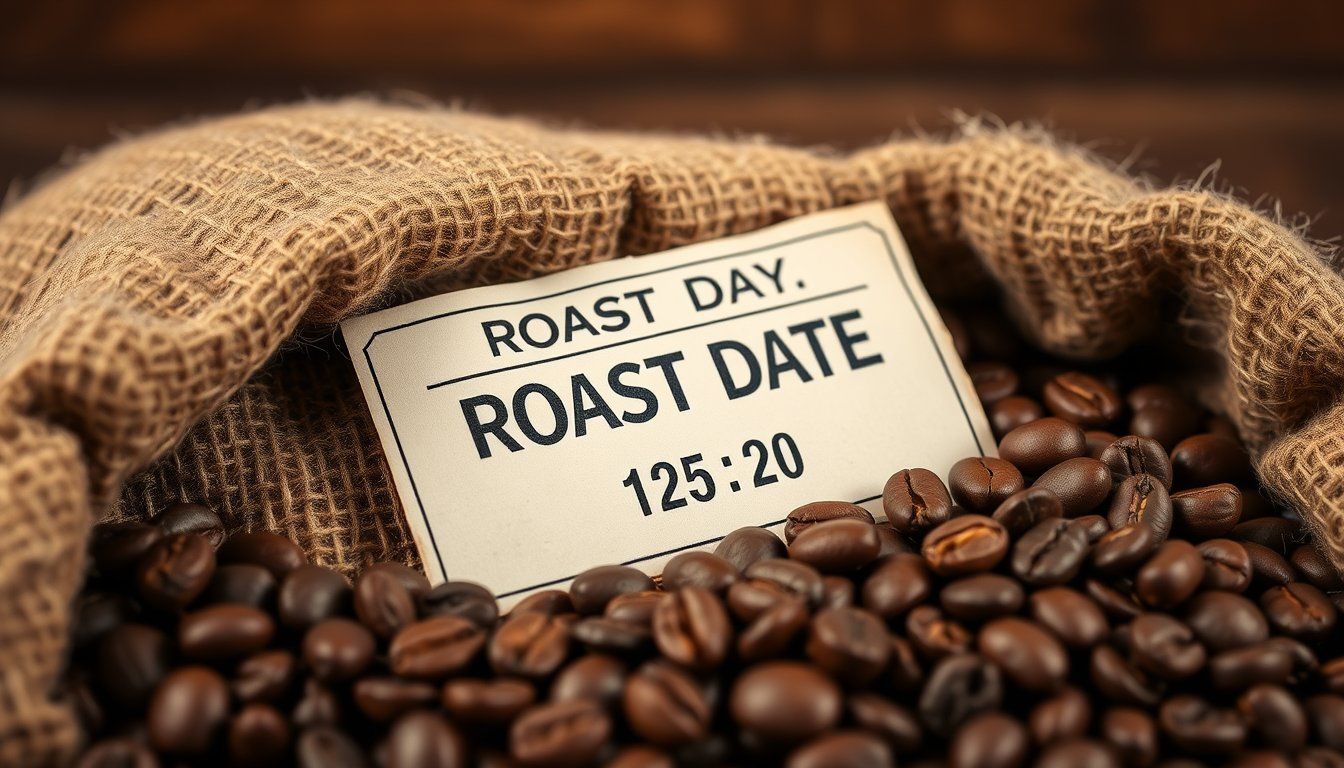
As of 2026, the specialty coffee industry has increasingly emphasized coffee roast date freshness, with many third-wave roasters now including precise roast times down to the hour. However, some roasters may still not prominently display roast dates on packaging, leading consumers to believe that fresher is always better.
Understanding the degassing process highlights the importance of knowing the roast date to determine the optimal brewing window. Without this information, you’re essentially brewing blind, unable to time your consumption during that peak flavor period.
Tip: Seek out roasters who provide clear roast dates, allowing you to make informed decisions about when to brew.
Storage Practices to Maintain Freshness
Proper storage during the optimal coffee resting period is essential to preserve coffee freshness during the degassing period (much like how climate patterns affect bean development, storage conditions impact your final cup):
- Airtight Containers: Prevent exposure to oxygen, which can accelerate staling. However, during the first 24-48 hours, beans benefit from containers with one-way valves that allow CO₂ to escape without letting oxygen in.
- Cool, Dark Places: Protect beans from heat and light, both of which can degrade quality. Ideal storage temperature is between 50-70°F (10-21°C).
- Avoid Refrigeration: Contrary to popular belief, storing coffee in the fridge can introduce moisture and unwanted odors that compromise the careful rest period your beans need.
Tip: Invest in quality storage solutions to extend the life of your coffee beans.
Personal Experience: A Lesson from the Field
During a 2024 visit to a coffee farm in Huila, Colombia, I tasted Caturra beans roasted just 3 hours prior. Despite the intoxicating aroma—imagine walking into the world’s most fragrant bakery—the brew was surprisingly flat and aggressively sour. The farmer smiled knowingly and explained that the beans needed time to degas to achieve their full flavor potential.
He handed me a second cup from beans roasted five days earlier. The difference was remarkable: the same origin, same roast profile, yet this cup sang with notes of caramel, red apple, and brown sugar. It was a firsthand lesson in patience and the science behind coffee freshness that transformed how I approach every bag I import. Colombian coffee farm in Huila region with coffee plants growing on mountainous terrain at sunrise
How to Test if Your Coffee Has Degassed Enough
Not sure if your beans have completed their rest period for coffee beans? Try these simple tests:
The Bloom Test
When brewing with methods like pour-over or French press, observe the initial bloom when hot water first contacts the grounds. A moderate, sustained bloom indicates proper degassing. If your coffee erupts like a science fair volcano, it needs more time. If there’s barely any bloom, your beans may be past their prime.
One-Way Valve Observation
Coffee bags with one-way valves provide visual cues. During the first few days, the bag will feel tight or puffed from CO₂ buildup. As degassing progresses, the bag should soften. When it maintains a relatively flat appearance, your beans are approaching readiness.
The Sniff Test
Open your coffee bag and take a deep whiff. Freshly roasted beans that need more time will have an almost overwhelming, sharp aroma. Properly degassed coffee presents a balanced, inviting smell where you can distinguish individual notes rather than just intense “coffeeness.”
Best Brewing Equipment for Fresh Coffee
Once your beans have properly degassed, the right equipment makes all the difference. For hands-off morning brewing, the KRUPS Essential Brewer is SCA-certified and designed to extract maximum flavor from freshly rested beans.
If you need a reliable workhorse that can handle various roast levels, the Braun BrewSense offers excellent temperature control during the crucial extraction phase. Different brewing methods also require different grind sizes—check out our complete guide to coffee grinders to optimize your setup.
Surprising Insight: Fresh Isn’t Always Best
It’s counterintuitive, but in the world of coffee, “fresh” doesn’t necessarily mean “immediate.” Allowing beans to rest post-roast can significantly enhance your brewing experience. This patience separates good coffee from exceptional coffee.
Actionable Takeaways
- Check Roast Dates: Always look for the roast date on packaging to plan your brewing schedule according to proper coffee bean degassing time.
- Understand Degassing: Recognize that waiting a few days post-roast can lead to a more balanced and flavorful cup.
- Store Properly: Use airtight containers and keep beans in a cool, dark place to maintain freshness during the post-roast waiting period.
- Match Method to Roast: Adjust your brewing technique based on roast level for optimal extraction.
FAQs
How can I tell if my coffee has degassed enough?
A good indicator is the bloom during brewing. If your coffee produces a large, aggressive bloom, it may still be degassing. A moderate bloom suggests it’s ready to brew. The one-way valve test and sniff test described above also provide reliable guidance.
Does grinding affect the degassing process?
Yes, grinding dramatically accelerates degassing. It’s best to grind beans just before brewing to preserve freshness. Ground coffee can lose its optimal flavor window within hours rather than days.
Can I speed up the degassing process?
Degassing is a natural process that shouldn’t be rushed. Allowing beans to rest naturally ensures optimal flavor development. Some commercial roasters use pressure or vacuum techniques, but these aren’t practical or recommended for home use.
Do all brewing methods require the same degassing period?
While the degassing period is generally consistent, methods like espresso may benefit from slightly longer resting times to ensure even extraction. Espresso’s high pressure makes it particularly sensitive to excess CO₂.
Is it safe to drink coffee immediately after roasting?
Yes, it’s safe, but the flavor may be underdeveloped and unbalanced. Waiting allows the beans to reach their full potential without any health concerns.
Does coffee ever get too old after roasting?
Yes, after 4-6 weeks depending on storage conditions, coffee begins losing its distinctive characteristics. Even with perfect storage, most specialty coffee is best consumed within 3-4 weeks of roasting for optimal flavor.
Should I buy coffee with or without a roast date?
Always choose roast-dated coffee. Without a roast date, you have no way to determine if you’re in the optimal brewing window or if the coffee is already stale. Roast dates are a mark of quality-focused roasters.
Can I freeze coffee to preserve freshness during degassing?
Not recommended during degassing, as freezing can trap CO₂ and create moisture issues when thawing. However, freezing is acceptable for long-term storage after the initial rest period if you’ve purchased more than you can consume within a month.
How long does coffee degassing last?
The active degassing period where CO₂ significantly affects brewing typically lasts 1-2 weeks depending on roast level. However, beans continue releasing small amounts of CO₂ throughout their life, which is why even month-old coffee will produce some bloom.
Conclusion
Understanding the nuances of coffee freshness and mastering coffee bean degassing time empowers you to make informed choices, leading to a more satisfying coffee experience. Remember, sometimes patience truly is a virtue, especially when it comes to brewing the perfect cup.
Now that you understand coffee bean degassing time, put it into practice: Check your current bag’s roast date right now. If it’s been 3-7 days, you’re in the sweet spot—brew a cup and notice the difference proper resting makes. Your taste buds will thank you.