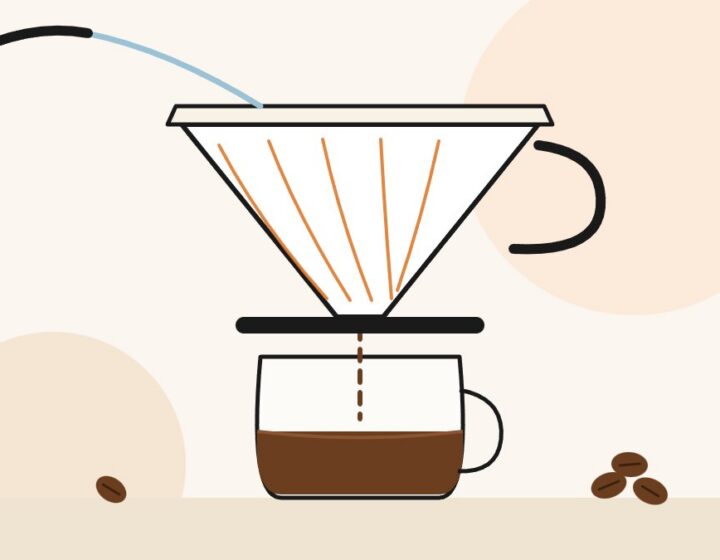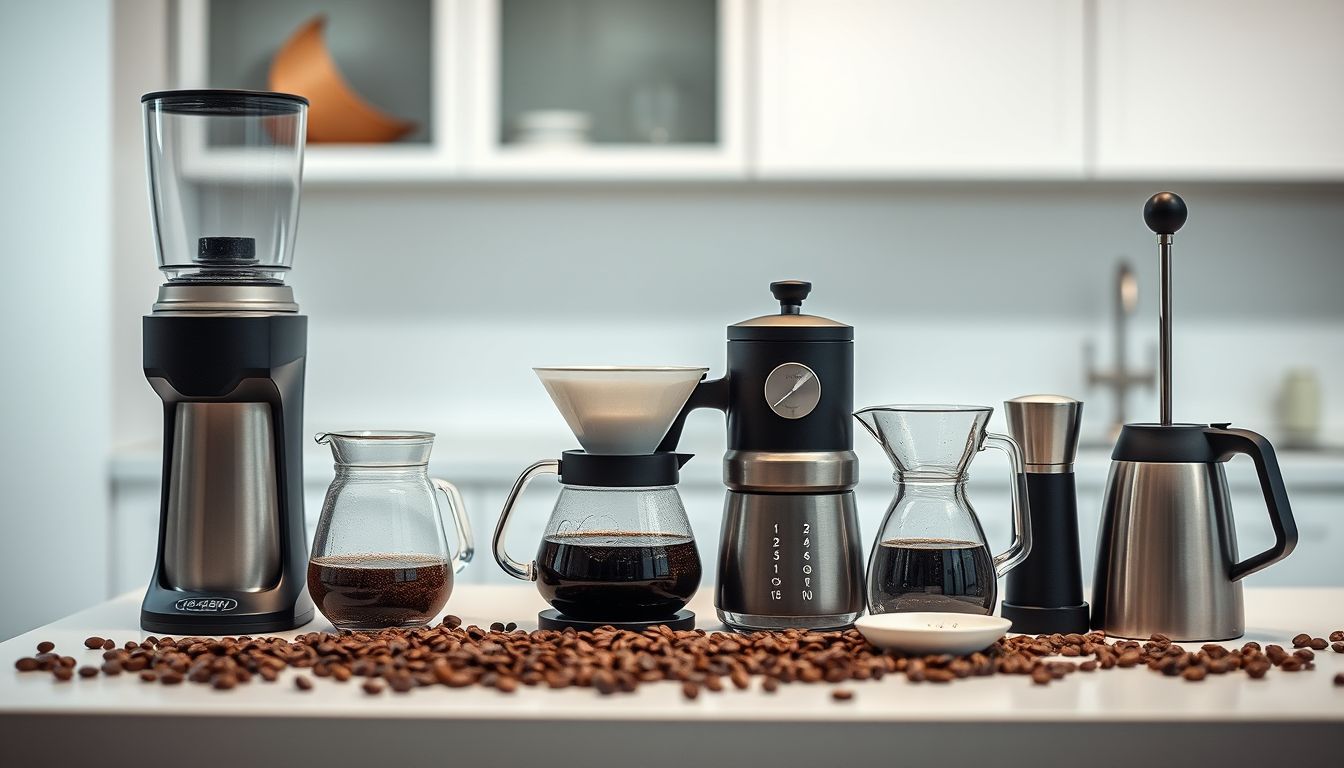
The best coffee makers for hard water areas include the Technivorm Moccamaster with integrated filtration ($350-$400), Breville Precision Brewer with descaling alerts ($300-$350), and manual methods like the Chemex or Hario V60 paired with quality water filters. These machines resist mineral buildup better than standard coffee makers and tend to last longer in high-mineral environments.
Quick pick
Technivorm Moccamaster KBGV Select: an SCA-certified brewer that is easy to descale and built to be repaired.
Top 5 Coffee Makers for Hard Water (2026)
- Technivorm Moccamaster – Best overall for hard water durability
- Breville Precision Brewer – Best smart features and descaling alerts
- Hario V60 + Precision Kettle – Best manual option under $100
- Breville Bambino Plus – Best espresso machine for hard water
- Bodum Brazil French Press – Best low-maintenance choice
In hard-water areas like Phoenix, coffee makers often start out fine, then slowly brew weaker coffee until they stop working.
The cause is usually the water. Phoenix has some of the hardest water in the United States, and many standard coffee makers don’t hold up well to high mineral levels.
Finding the best coffee makers for hard water areas starts with understanding how hard water clogs machines with mineral buildup and dulls coffee flavor. If you live in areas with hard water—and a commonly cited U.S. Geological Survey estimate puts that at most of the country—your choice of coffee maker has a big effect on how long it lasts.
Water ranges from very soft in places like much of New England to very hard in the Southwest, and hard water calls for a different approach to choosing equipment. Machines that work well in soft water can need constant descaling in hard water regions, while simpler, easy-to-descale designs hold up better.
This guide covers what hard water does to coffee equipment, which machines cope with it best, and how to protect your equipment while improving your coffee.
How hard water affects coffee equipment
What Makes Water Hard
Mineral Content
Hard water contains high concentrations of dissolved minerals, primarily:
- Calcium carbonate (limestone)
- Magnesium sulfate
- Iron compounds
- Other trace minerals
Measurement Standards
Water hardness is measured in grains per gallon (gpg) or parts per million (ppm) (Water Quality Association and USGS hardness classifications):
- Soft: 0–3.5 gpg (0–60 ppm)
- Moderately hard: 3.5–7 gpg (60–120 ppm)
- Hard: 7–10 gpg (120–180 ppm)
- Very hard: 10+ gpg (180+ ppm)
Geographic Distribution
Hardest water regions in the US include:
- Southwest (Arizona, Nevada, New Mexico)
- Great Plains (Kansas, Nebraska, Oklahoma)
- Parts of Texas, Florida, and California
- Industrial areas with mineral-rich groundwater
How Hard Water Destroys Coffee Equipment
Scale Buildup
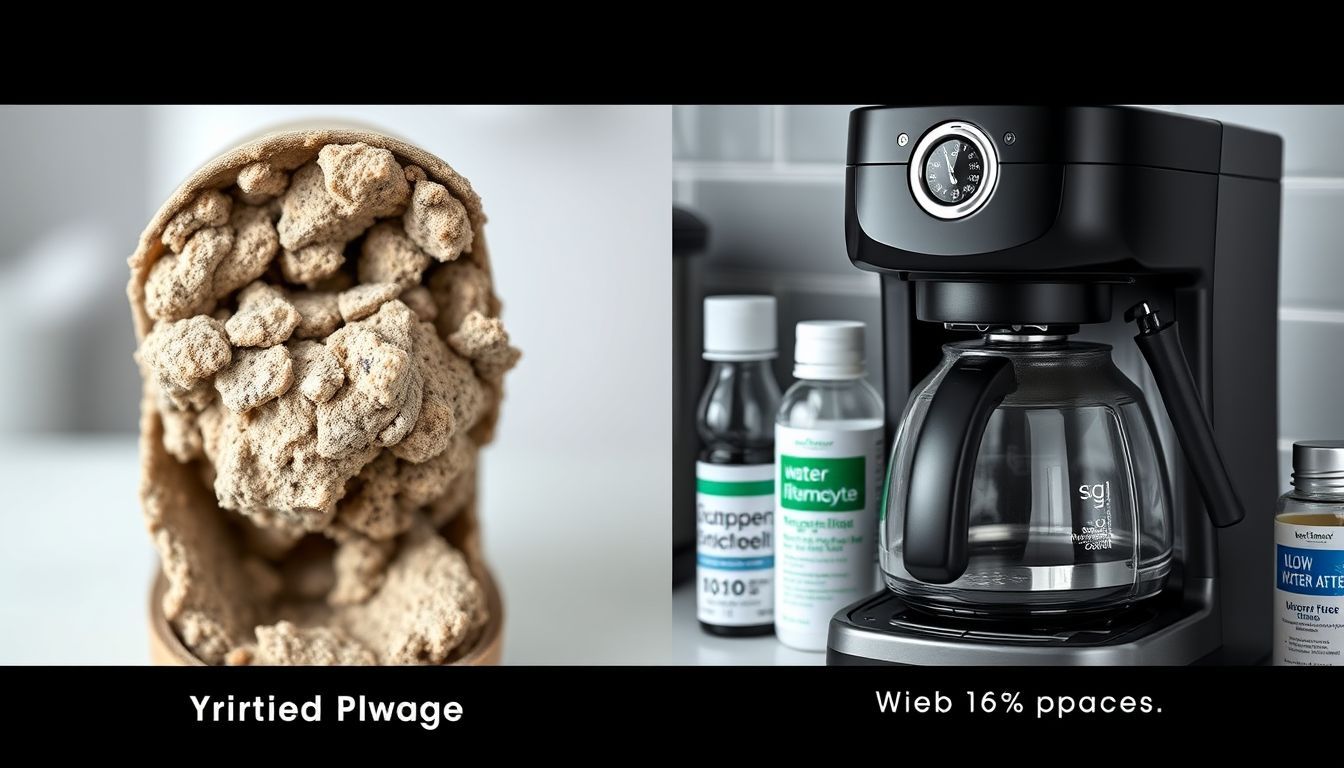
When hard water is heated, dissolved minerals precipitate out and form scale deposits. Over time, scale can:
- Clog internal water pathways
- Insulate heating elements, reducing efficiency
- Create rough surfaces where bacteria can grow
- Eventually cause complete system failure
This mineral buildup is why standard machines can wear out much sooner in very hard water areas.
Performance Degradation
Scale buildup causes:
- Reduced water flow rates
- Inconsistent brewing temperatures
- Longer brewing times
- Weaker coffee extraction
- Increased energy consumption
Component Failure
Hard water accelerates:
- Heating element burnout
- Pump mechanism failure
- Valve and seal deterioration
- Electronic component corrosion
- Premature replacement needs
Impact on Coffee Quality
Over-Extraction Issues
High mineral content in brewing water causes:
- Excessive extraction of bitter compounds (beyond the typical causes of bitter coffee)
- Harsh, metallic flavors
- Reduced coffee clarity
- Masked origin characteristics
- Unbalanced acidity
Inconsistent Results
Scale buildup creates:
- Variable brewing temperatures
- Uneven water distribution
- Unpredictable extraction times
- Inconsistent coffee strength
- Harder dialing-in
The best coffee makers for hard water
Built-in Water Treatment Systems
Some coffee makers include integrated filtration specifically designed to handle hard water conditions.
Technivorm Moccamaster with Water Filter
Price Range: $350–$400
Hard Water Features:
- Integrated water filtration system
- Copper heating element (corrosion resistant)
- Accessible internal components prevent mineral buildup common in standard coffee makers
- Robust construction designed for longevity
- Easy maintenance and part replacement
The Moccamaster’s copper heating element, simple design and available replacement parts are why owners in hard-water areas report long service lives with regular descaling.
We recommend the Technivorm Moccamaster 53941 KBGV Select 10-Cup Coffee Maker for its precise temperature control and easy descaling.
Breville Precision Brewer with Water Filter
Price Range: $300–$350
Hard Water Features:
- Advanced water filtration system
- Descaling alerts and automated cycles
- Stainless steel thermal carafe keeps coffee hot for hours without a burner that accelerates mineral buildup
- Multiple brewing modes for water adaptation
- Comprehensive maintenance indicators
The descaling alerts and customizable settings of the Breville Precision Brewer Drip Coffee Machine make it a good fit for hard water areas.
Manual brewing methods
Manual brewing methods often perform better in hard water areas because they’re easier to clean and maintain.
Pour-Over Systems
Chemex Classic ($44) + Water Filtration
While pour-over methods require more hands-on time than automatic coffee makers designed for busy mornings, they have nothing inside to scale up, which makes them very reliable in hard water.
Advantages for hard water:
- No internal components to clog
- Easy cleaning and maintenance
- Glass construction resists mineral staining
- Complete control over water quality
- No electrical components to corrode
Hario V60 ($25) + Precision Kettle
Hard water benefits:
- Simple construction with no moving parts
- Easy descaling of kettle components
- Ceramic/glass options resist staining
- Complete brewing control
- Minimal maintenance requirements
We suggest the Hario V60 Ceramic Coffee Dripper for its reliability and ease of cleaning in mineral-rich water.

French Press Systems
Bodum 34 Oz Brazil French Press Coffee Maker ($100)
Hard water advantages:
- Stainless steel construction
- No heating elements to scale
- Easy disassembly for cleaning
- Double filtration system
- Insulated design maintains temperature
With no heating element or pump, a French press has nothing for scale to clog, and stainless parts wipe clean of mineral deposits.
The Bodum 34 Oz Brazil French Press Coffee Maker is built to last and handles hard water with minimal fuss.
Espresso Machines for Hard Water Areas
Espresso machines face unique challenges in hard water areas due to their complex internal systems and high operating pressures.
Breville Bambino Plus with Enhanced Filtration
Price Range: $300
Hard Water Features:
- Fast heat-up reduces scale formation time
- Accessible descaling procedures
- Compact design simplifies maintenance
- Automatic purge cycles
- Integrated descaling alerts
For a compact, scale-resistant coffee maker, try the Breville Bambino Plus Espresso Machine BES500BSS. Its water filter and straightforward maintenance suit hard water areas.
Rancilio Silvia with Water Softening
Price Range: $800
Hard Water Advantages:
- Commercial-grade construction
- Brass boiler resists corrosion
- Accessible internal components
- Strong aftermarket support
- Designed for high-volume use
Maintenance considerations:
- Professional-grade descaling required
- Water softening system recommended
- Regular professional servicing beneficial
- Parts readily available for repairs
Note: buy from authorized dealers who provide warranty service. Espresso machines in hard water areas benefit from regular professional servicing, so budget for it.
Water Treatment Solutions
Point-of-Use Filtration
Pitcher Filters
- Brita Longlast ($25 + $8/filter)
- ZeroWater 10-Cup ($35 + $15/filter)
Dedicated Coffee Water Systems
- Third Wave Water ($15/packet)
- Peak Water Filters ($89 + $12/filter)
Whole-House Solutions
- Traditional Salt-Based Softeners ($500–$1,500)
- Salt-Free Conditioners ($800–$2,000)
Maintenance Strategies for Hard Water Areas
Descaling Schedules
Hard water areas require more frequent descaling than soft water regions. While some self-cleaning coffee makers can automate parts of this process, manual descaling remains essential in very hard water conditions.
These schedules are general guidelines based on common manufacturer recommendations; always follow your machine’s manual first.
| Hardness Level | Drip Coffee Makers | Espresso Machines | Electric Kettles | Manual Equipment |
|---|---|---|---|---|
| Very Hard (10+ gpg) | Every 2–3 weeks | Every 2–4 weeks | Weekly | As needed |
| Hard (7–10 gpg) | Monthly | Every 4–6 weeks | Bi-weekly | Monthly |
| Moderately Hard | Every 6–8 weeks | Every 2–3 months | Monthly | As needed |
Descaling Products and Procedures
- Dezcal Activated Scale Remover
- Full Circle Descaling Powder
- White Vinegar Solution (1:1)
- Citric Acid Solution (2 tbsp per quart)
Preventive Maintenance
- Use filtered water for all brewing
- Empty water reservoirs when not in use
- Rinse brewing chambers after use
- Deep clean removable parts weekly
Regional Considerations and Recommendations
When selecting a hard water coffee machine, your specific region’s mineral content matters.
Southwest United States
- Extremely hard (12–20+ gpg)
- Manual methods & whole-house softening essential
Great Plains
- Very hard (10–15 gpg)
- Robust machines & enhanced filtration
Florida and Coastal Areas
- Hard to very hard (8–12 gpg)
- Corrosion-resistant components & multi-stage filtration
FAQ: Coffee Makers for Hard Water Areas
Q: Can I use a regular coffee maker in a hard water area if I descale frequently?
While frequent descaling helps, regular coffee makers lack the corrosion-resistant materials and enhanced water pathways that hard-water-specific models provide. Expect a shorter service life than a machine that is easy to descale and repair.
Q: Is bottled water worth it for coffee in hard water areas?
Bottled water gets expensive for daily brewing. A good point-of-use filter usually costs less over a year and gives consistent results. The exception: if you’re using a very expensive espresso machine ($1,000+), bottled water may be worth the protection.
Q: How do I know if my water is hard without a test kit?
Common signs include: white residue on faucets and shower doors, soap that doesn’t lather well, spots on dishes after washing, and coffee that tastes metallic or bitter despite good beans and technique.
Q: Will a Brita filter make my hard water safe for coffee makers?
Standard Brita-style pitcher filters remove chlorine and improve taste but only modestly reduce hardness. For very hard water (10+ gpg), you need specialized filters like ZeroWater or dedicated coffee water systems like Third Wave Water.
Conclusion
Living in a hard water area doesn’t mean accepting worse coffee or constantly replacing equipment. With the right equipment, water treatment, and regular descaling, you can brew good coffee and keep your machine running for years.
Investing in proper water treatment—whether point-of-use filtration or whole-house systems—often proves more cost-effective than repeatedly replacing damaged equipment. Good filtration also improves flavor and cuts down on maintenance.
Your Next Steps:
- Test your water hardness (free kits available from most water treatment companies)
- Based on hardness level, choose between manual methods (10+ gpg), filtered automatics (7-10 gpg), or standard machines with enhanced filtration (under 7 gpg)
- Budget for water treatment: $100-200 for point-of-use systems or $500+ for whole-house solutions
- Set descaling calendar reminders based on your hardness level
If you’ve found a machine or filter that works well with hard water, share it in the comments.