Quick pick
COSORI Gooseneck Electric Kettle: variable temperature and a keep-warm function at a mid-range price.
The Short Answer
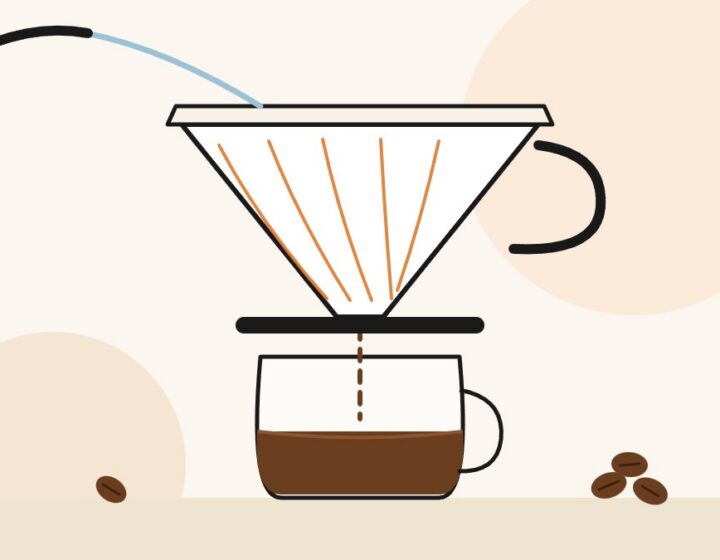
A gooseneck kettle provides precise water flow control that helps prevent channeling and promotes even coffee extraction. The narrow, curved spout creates laminar flow, allowing you to control pour rate, water placement, and contact time for consistently better coffee.
If you have wondered whether the swan-necked kettle in coffee shop photos is just for looks, there is a practical reason behind the shape. Pouring from a regular kettle, or a measuring cup, sends water out in an uneven gush that is hard to control.
Baristas, brewing guides and equipment makers largely agree that a gooseneck kettle is one of the most useful upgrades for home pour-over. The curved spout is functional, not just decorative.
The rise of pour-over at home and the rise of the gooseneck kettle have gone hand in hand. Once you see what controlled pouring does for extraction, it is hard to go back.
Why Pouring Control Matters
Why Water Flow Matters
Coffee extraction is essentially controlled dissolution—you’re trying to pull specific compounds from ground coffee beans in a precise sequence. Oils and acids extract quickly, sugars take longer, and bitter compounds come last. The goal is to hit that sweet spot where you’ve extracted enough good stuff without overdoing the bitter elements.
A common mistake is treating the pour as an afterthought. Pouring from a regular kettle creates turbulence, uneven saturation, and inconsistent contact time.
A gooseneck kettle turns the pour into a controllable stream, allowing you to:
- Control flow rate (slow for delicate extraction, faster for aggressive brewing)
- Direct water placement (hitting specific areas of the coffee bed)
- Maintain consistent contact time (even saturation across all grounds)
- Prevent channeling (water finding easy paths and leaving dry spots)
The Extraction Science
When water hits the coffee bed unevenly, it can cause channeling: water finds the path of least resistance, over-extracting some areas while leaving others under-extracted. The result is a cup that can taste bitter and sour at the same time.
Controlled pouring promotes even saturation, which leads to more even extraction. Even extraction is what helps you land in the SCA’s recommended 18-22% extraction range, where coffee generally tastes best.
What a Gooseneck Does Better
Precision Control
The narrow, curved spout of a gooseneck kettle creates laminar flow—smooth, predictable water movement that is easy to control. This allows for:
Bloom Control: That initial 30-second pour that pre-wets the coffee and releases CO2. With a gooseneck kettle, you can wet all grounds evenly without disturbing the coffee bed structure.
Spiral Pouring: The ability to pour in controlled spirals from center to edge, ensuring every ground gets equal attention. This is very hard to do with a regular kettle.
Flow Rate Modulation: Need a gentle trickle for delicate light roasts? A steady stream for medium roasts? A more aggressive pour for dark roasts? A gooseneck kettle gives you the control to match your pouring to your coffee’s needs.
Temperature Stability
Many gooseneck models feature built-in thermometers or temperature control systems. A temperature control gooseneck kettle eliminates guesswork and ensures optimal extraction temperatures for different coffee origins and roast levels. This matters because coffee extraction is sensitive to temperature, and a 10°F difference can noticeably change how your cup tastes.
Temperature precision is crucial not just for coffee extraction but also for milk preparation. Understanding why your oat milk won’t microfoam at the wrong temperature helps illustrate why precise temperature control matters throughout the coffee-making process.
Ergonomics
On a well-designed gooseneck kettle, the weight distribution, handle angle, and spout position work together to make controlled pouring feel natural rather than forced.
How Gooseneck Kettles Went Mainstream
From Café Tool to Kitchen Staple
Gooseneck kettles have gone from a barista-only tool to a common kitchen appliance alongside the specialty coffee boom, and you can now find them at almost every price point.
Typical price tiers:
- Budget models ($30-50): stovetop or basic electric
- Mid-range ($50-100): electric with variable temperature
- Premium ($100+): precise temperature hold, better build and design
Many people start with a budget kettle and upgrade once they know how much they value temperature control.
Electric Models
Electric gooseneck kettles combine a precise pour with temperature control and hold functions, which makes café-style brewing easier at home. The Fellow Stagg EKG, Bonavita Variable Temperature, and OXO Adjustable Temperature models are well-known examples.
Features that make them popular:
- Precise temperature control (crucial for different coffee types)
- Hold functions (maintaining temperature for multiple pours)
- Fast heating
- Aesthetic appeal
Choosing Your Gooseneck: A Buyer’s Guide
Stovetop vs. Electric
Stovetop Advantages:
- Lower cost of entry
- No electrical components to fail
- Works with any heat source
- Often better build quality for the price
Electric Advantages:
- Precise temperature control
- Convenience and speed
- Hold functions
- Integrated timers (on some models)
| Feature | Stovetop | Electric |
|---|---|---|
| Price Range | $30-80 | $60-200 |
| Temperature Control | Manual/Visual | Precise Digital |
| Convenience | Medium | High |
| Durability | Excellent | Good |
Choose an electric gooseneck kettle with the same care you would use when picking from the best coffee grinders for every budget and brewing method, since both have a big effect on your final cup.
Key Features to Consider
Spout Design: Look for a narrow opening (4-5mm) with a smooth, gradual curve. Avoid kettles with spouts that are too narrow (hard to control flow rate) or too wide (defeats the purpose).
Capacity: 600ml-1L is the sweet spot for most home users. Smaller feels limiting; larger becomes unwieldy when full.
Handle Ergonomics: The handle should feel balanced when the kettle is full. Test the pouring motion if possible—you’ll be holding this position for 3-4 minutes during brewing.
Temperature Features: If going electric, look for 1-degree precision and hold functions. Preset temperatures for different coffee types are nice but not essential.
Popular Models
Fellow Stagg EKG ($165-195): A premium option with excellent temperature control and a distinctive matte design. The higher price reflects its build quality and features.
Bonavita Variable Temperature ($80-100): The workhorse choice. Plainer than the Fellow but known for reliability and precise temperature control, and a strong value among electric models.
Hario Buono Stovetop ($45-60): A long-standing classic. Simple and durable, with excellent pouring control and no extra features.
OXO Adjustable Temperature ($100-120): The user-friendly option with intuitive controls and solid performance. Great for those who want electric convenience without complexity.
Beyond Pour-Over: Unexpected Uses
Tea
Gooseneck kettles are also useful for tea. Temperature control and a gentle pour suit delicate teas that need specific water temperatures.
Culinary Applications
That controlled water stream is useful for:
- Tempering chocolate
- Proofing yeast
- Making oatmeal
- Controlled rehydration of dried ingredients
While gooseneck kettles excel at precision brewing, if you’re looking for coffee makers that actually keep coffee hot all day, you’ll want thermal brewing systems that maintain temperature after extraction.
A Slower Routine
Many people also enjoy the slower, deliberate pace of a gooseneck pour-over, which takes a few minutes of focused attention.
Is It Worth the Cost?
The Economics of Extraction
More even extraction can help you reach the strength you want without adding extra coffee, which makes your beans go further.
Replacing Café Visits
With practice, gooseneck brewing can produce café-quality coffee at home. If that replaces even a couple of café visits a week, the kettle pays for itself quickly.
Building Brewing Skills
Learning to use a gooseneck kettle properly makes you a better coffee brewer overall. You’ll develop an understanding of extraction, timing, and technique that improves all your coffee preparation, not just pour-over.
Getting Started with Your Gooseneck Kettle
Your First Pour: Basic Technique
- Start with the bloom: Pour twice the weight of coffee in water (30g coffee = 60g water) in a slow spiral from center outward
- Wait 30-45 seconds: Let CO2 escape and grounds settle
- Continue in stages: Pour in 2-3 additional pours, maintaining a steady, controlled stream
- Keep it level: Maintain consistent water level in the dripper
- Total time: Aim for 4-6 minutes total brew time
Common Mistakes and How to Avoid Them
Even with the right equipment, technique matters. Here are the three most common gooseneck kettle mistakes:
1. Pouring Too Fast
New gooseneck users often pour too aggressively, negating the control benefits. Solution: Start with gentle, slow pours and gradually increase flow rate as you develop technique.
2. Focusing Only on Temperature
Yes, temperature matters, but don’t get so focused on hitting exact numbers that you ignore other variables. Solution: Consistency is more important than perfection—aim for ±2°F repeatability.
3. Using It Only for Pour-Over
Don’t assume your gooseneck is only for pour-over. Solution: Experiment with different brewing methods and techniques to maximize your investment.
Caring for Your Gooseneck Kettle
Daily Maintenance
Rinse with clean water after each use and dry thoroughly to prevent mineral buildup. For electric models, avoid submerging the base in water.
Weekly Deep Clean
Use a 1:1 vinegar-water solution to remove mineral deposits. Fill, boil, let sit for 30 minutes, then rinse thoroughly. This extends kettle life and maintains pour precision.
The Future of Gooseneck Technology
Smart Integration
App-connected kettles can be programmed for specific brewing recipes, track your brewing history, and even suggest improvements. That may be overkill for many people, but it can help with consistency.
Material Innovation
New materials and coatings are improving heat retention, durability, and aesthetics. Expect to see more sustainable options and improved thermal efficiency in coming years.
Design Evolution
The basic gooseneck shape is well established, but makers continue to refine handle design, spout geometry, and base features.
Gooseneck Kettles Worth Considering
Three kettles at different prices, all with the narrow spout that makes controlled pouring possible.
- Fellow Stagg EKG Pro: precise temperature control, a hold mode and a counterbalanced handle; the premium choice.
- COSORI Gooseneck Electric Kettle: variable temperature with presets and a keep-warm function at a mid-range price.
- OXO Brew Pour-Over Gooseneck Kettle: simple temperature control and a steady pour from a well-known brand.
Frequently Asked Questions
What makes a gooseneck kettle better than a regular kettle?
A gooseneck kettle’s narrow, curved spout creates controlled water flow that helps prevent channeling, giving more even extraction than a regular kettle.
Do I need an electric or stovetop gooseneck kettle?
Choose electric if you brew daily and want temperature control convenience. Choose stovetop if you’re budget-conscious or prefer simple, reliable equipment without electrical components.
How much should I spend on my first gooseneck kettle?
Budget $45-60 for a quality stovetop model like the Hario Buono, or $80-120 for an electric model with temperature control. Premium options ($165+) offer enhanced features and build quality.
Final Thoughts
A gooseneck kettle lets you brew with intent rather than leaving extraction to chance, and it shows what your coffee can taste like when brewed well.
For pour-over brewers, a gooseneck kettle is one of the most useful upgrades you can make, alongside a good grinder and fresh beans. Without controlled water delivery, it is harder to get the most from the rest of your setup.
A gooseneck kettle makes you a better brewer immediately while providing room for years of skill development. It’s the rare piece of equipment that improves your coffee from day one and continues to reward you as your technique develops.
If you are ready to buy, the Hario Buono stovetop ($45-60) is a good budget pick, or look at the temperature-controlled electric models above if precision is your priority.