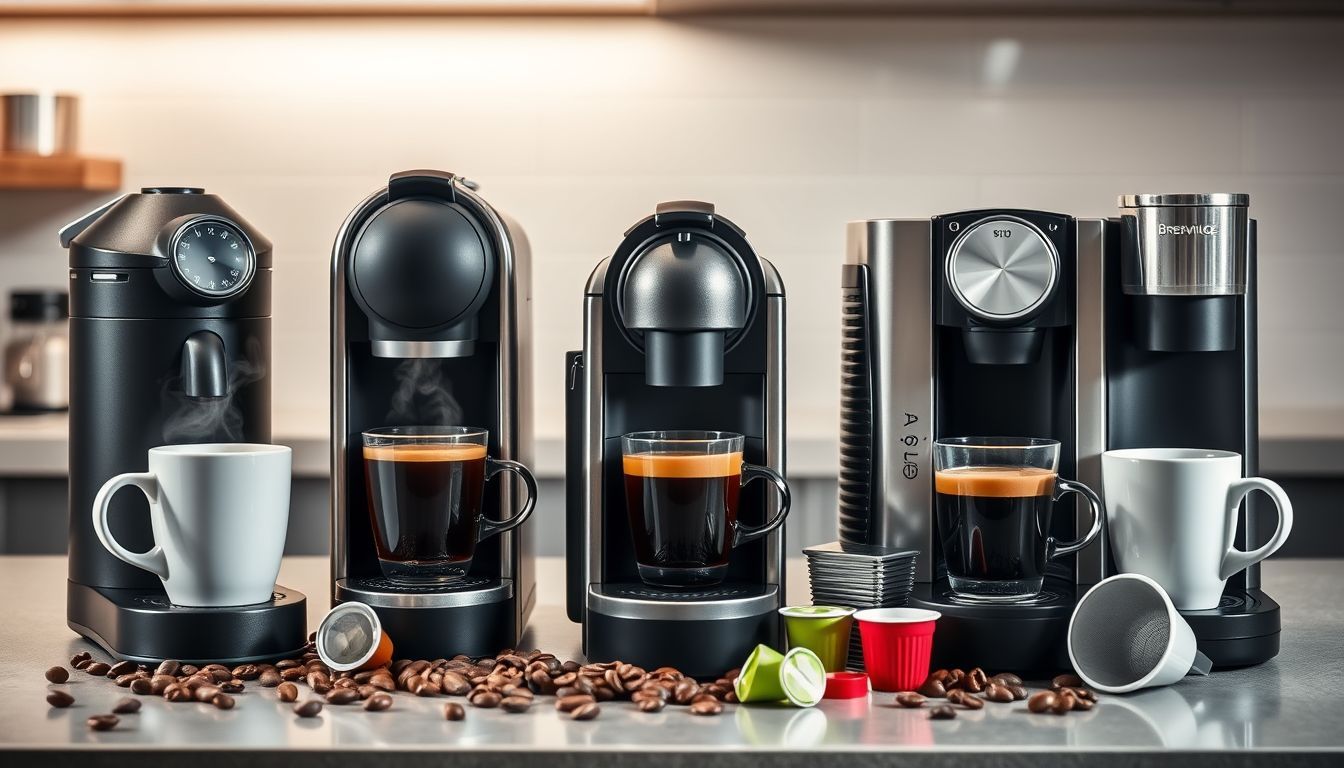
The best single serve coffee makers for coffee quality are the Technivorm Moccamaster Cup-One ($200-250) for pour-over precision, Breville Bambino Plus ($200-250) for espresso, and Ninja Specialty ($100-130) for versatility. These machines prioritize proper brewing temperature (195-205°F) and extraction time over pure speed.
Quick pick
Keurig K-Elite: strong-brew and iced settings, and it works with a reusable filter for your own grounds.
Single Serve Coffee Makers That Brew Good Coffee
Plenty of single-serve coffee makers produce weak or bitter coffee, which is a poor result for machines meant to make mornings easier.
Single-serve coffee makers have a reputation problem, and much of it is earned: many pod machines make watery, bitter coffee, and good ones are hard to find in a crowded market.
Owner reviews and independent tests suggest most single-serve machines are designed for convenience and low cost first, with coffee quality further down the list.
A few machines are exceptions. They show that convenience and good coffee can go together when the machine is engineered around brewing properly.
Why Most Single-Serve Machines Fall Short
The Engineering Compromises
Single-serve machines face unique challenges that traditional coffee makers don’t. They need to heat water quickly, extract coffee in under two minutes, work with pre-packaged pods, and do it all while keeping costs low enough for mass market appeal.
Most manufacturers meet these demands with compromises that hurt coffee quality:
- Insufficient Water Temperature: Many machines brew below the recommended 195-205°F to speed up heating and reduce energy costs.
- Inadequate Contact Time: Rushing water through coffee in 30-45 seconds doesn’t allow proper extraction, resulting in weak, sour coffee.
- Poor Water Distribution: Single-point injection creates channeling, where water finds the easiest path through the coffee, leaving much of it under-extracted.
- Pressure Problems: Most machines use gravity or minimal pressure, unlike espresso machines that use 9 bars or pour-over methods that rely on controlled flow.
The Pod Problem
Many pods contain coffee that was mediocre before it was sealed in plastic. Pre-ground coffee loses flavor rapidly, and the economics of pod production incentivize using cheap, over-roasted beans that can mask staleness.
Pod economics:
- Based on 2026 retail pricing, pod coffee costs $40-60 per pound equivalent
- Most pods contain 8-12g of coffee
- The remaining cost goes to packaging, marketing, and profit
- Result: Terrible coffee at premium prices

Locked into Pods
Many people buy single-serve machines for convenience, then find themselves tied to expensive, mediocre pods.
What Makes a Single-Serve Machine Good
The Essentials
Single serve coffee machine quality depends on five factors:
- Proper Brewing Temperature – Must reach and maintain 195-205°F for optimal extraction
- Adequate Contact Time – Minimum 2-3 minutes for proper flavor development
- Even Water Distribution – Multiple injection points or shower head design prevents channeling
- Pressure Control – Either high pressure (espresso-style) or controlled flow rate
- Fresh Coffee Options – Ability to use your own coffee, not just proprietary pods
The Advanced Features That Matter
- Temperature Control: Adjustable brewing temperature for different coffee types
- Brew Strength Options: Multiple extraction settings
- Cup Size Flexibility: Various volume options without diluting coffee
- Pre-Infusion: Wetting coffee before full extraction begins
- Quality Materials: Food-grade components that don’t impart flavors
Best Single Serve Coffee Makers
Based on specs, owner feedback and independent pod coffee maker reviews, these machines stand out:
Technivorm Moccamaster Cup-One ($200-250)
The Idea: A single-serve machine that brews like a manual pour-over.
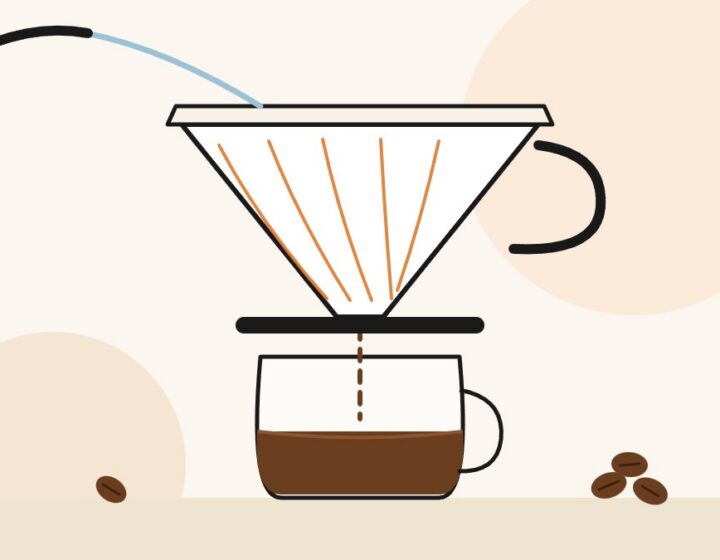
How It Works: Uses Technivorm’s drip brewing design in a single-serve format. Water heats to brewing temperature, then distributes evenly over coffee through a shower head design.
Performance Analysis: This single cup coffee brewer is built on the same principles as Technivorm’s SCA-certified Moccamaster, brewing hot enough and slowly enough to produce a cup that owners compare favorably to manual pour-over.
Pros:
- Exceptional coffee quality
- Uses regular ground coffee
- Precise temperature control
- Durable construction
- No proprietary pods required
Cons:
- Higher price point
- Slower brewing (4-6 minutes)
- Requires paper filters
- Limited convenience features
Best For: Coffee purists who want single-serve convenience without compromising quality.
Nespresso Vertuo Plus ($150-200)
The Innovation: Centrifusion technology spins pods at 7,000 RPM while injecting water, creating crema and improving extraction.
How It Works: Barcode on each pod tells the machine optimal brewing parameters. High-speed rotation creates turbulence that improves extraction efficiency.
Performance Reality: Produces an espresso-style shot with a thick crema. Nespresso’s spinning “Centrifusion” extraction is different from true 9-bar espresso, but owners consistently rate the results well above traditional drip pod machines.
Pros:
- Good espresso-style drinks
- Automatic optimization per pod
- Creates real crema
- Multiple cup sizes
- Sleek design
Cons:
- Locked into Nespresso ecosystem
- Pod costs are high
- Limited coffee variety
- Proprietary technology
Best For: Espresso lovers who prioritize convenience and don’t mind premium pod costs.
Keurig K-Elite with My K-Cup ($120-150)
The Case for It: With the reusable My K-Cup filter and good coffee, the K-Elite makes decent coffee.
How It Works: Strong brew setting increases contact time and extraction. Temperature control ensures proper brewing heat. The My K-Cup allows use of fresh, quality coffee.
Performance Assessment: With proper coffee and settings, this machine can produce acceptable coffee—a clear improvement over standard pod brewing.
Pros:
- Affordable entry point
- Uses fresh coffee with My K-Cup
- Multiple brew strengths
- Large water reservoir
- Wide pod compatibility
Cons:
- Still limited by basic design
- My K-Cup is messier than pods
- Build quality is adequate, not exceptional
- Standard pods still taste mediocre
Best For: Budget-conscious users willing to use fresh coffee instead of pods.
Ninja Specialty Coffee Maker ($100-130)
The Concept: One machine that does single-serve, full carafe, specialty drinks, and cold brew.
How It Works: Multiple brewing modes adjust temperature, contact time, and water distribution for different coffee styles. Fold-away frother handles milk drinks.
Performance Analysis: The all-in-one approach works well. Single-serve coffee is noticeably better than from basic pod machines.
Pros:
- Multiple brewing options
- Uses ground coffee
- Built-in frother
- Good value proposition
- Flexible sizing
Cons:
- Complex interface
- Larger footprint
- Build quality concerns
- Not exceptional at any one thing
Best For: Users who want versatility and don’t mind complexity.
Want more details? Read our research-based overview: Ninja Pods & Grounds Single-Serve.
Breville Bambino Plus ($200-250)
The Approach: Real espresso machine in compact, user-friendly format.
How It Works: 15-bar pressure, precise temperature control, automatic milk frothing. Uses ground coffee or ESE pods.
Performance: Produces real espresso that compares well with larger machines. Milk frothing is automatic and good quality.
Pros:
- Real espresso quality
- Compact footprint
- Automatic milk frothing
- Uses ground coffee
- Professional-grade components
Cons:
- Learning curve required
- Higher maintenance
- Limited to espresso-based drinks
- More expensive
Best For: Espresso enthusiasts who want café-quality drinks at home.
Alternative Breville Option: If you prefer drip coffee over espresso but want Breville’s engineering quality, consider the Breville Luxe Drip Coffee Machine. While not strictly a single-serve machine, it offers very good coffee quality with precise temperature control and can brew smaller batches effectively.
Quick Comparison: Best Single Serve Coffee Makers
| Machine | Price | Best For | Coffee Quality | Speed | Flexibility |
|---|---|---|---|---|---|
| Technivorm Cup-One | $200-250 | Quality purists | 5/5 | 4-6 min | Fresh grounds only |
| Nespresso Vertuo Plus | $150-200 | Espresso lovers | 4/5 | 1-2 min | Nespresso pods only |
| Keurig K-Elite (w/ My K-Cup) | $120-150 | Budget-conscious | 3/5 | 2-3 min | Pods + fresh grounds |
| Ninja Specialty | $100-130 | Versatility seekers | 4/5 | 3-5 min | Multiple formats |
| Breville Bambino Plus | $200-250 | Espresso purists | 5/5 | 3-4 min | Fresh grounds/ESE pods |
What to Avoid
Standard Keurig Models
The Problem: Designed for speed and low cost, not coffee quality. If you’re constantly running late and need fast coffee, check out the best coffee makers for people who are always late – but know that speed usually means compromising on flavor.
The Reality: Even with premium pods, these machines tend to produce weak, bitter coffee.
Hamilton Beach FlexBrew
The Promise: Single-serve and carafe brewing in one machine.
The Reality: Does both poorly. Single-serve side produces weak coffee, carafe side is unreliable.
Most “Compatible” Pod Machines
The Marketing: Works with multiple pod types for variety.
The Reality: Often means it brews every pod type only adequately.
The Economics of Single-Serve Coffee
5-Year Total Cost Comparison
| Method | Machine Cost | Annual Coffee Cost | 5-Year Total | Cost Per Cup |
|---|---|---|---|---|
| Premium Pods | $150 | $365-730 | $1,975-3,800 | $0.50-1.00 |
| Quality Whole Beans | $250 | $180-365 | $1,150-2,075 | $0.25-0.50 |
| Savings with Fresh Coffee | – | – | $825-1,725 | 50-70% |
Based on 2 cups daily, 2026 pricing
The True Cost of Convenience
Single-serve pod machines often cost more to run than brewing whole beans, while making worse coffee.
How to Get Better Coffee from Any Machine
Water Quality Matters
Single-serve machines are particularly sensitive to water quality because they can’t compensate for poor water through technique.
Solutions:
- Use filtered water
- Descale regularly (especially important if you have hard water – see our guide to the best coffee makers for hard water areas for more descaling tips)
- Check water temperature with thermometer
- Consider water mineral content
Coffee Selection
If you must use pods, choose carefully:
Better Pod Options:
- Stumptown pods (good-quality coffee)
- Blue Bottle pods (fresher than most)
- Local roaster pods (when available)
- Avoid: Grocery store brands, flavored pods, “light” roasts
Machine Maintenance
Regular Cleaning:
- Daily: Rinse water reservoir and drip tray
- Weekly: Clean brewing chamber
- Monthly: Descale with proper solution
- Quarterly: Deep clean all components
Performance Monitoring:
- Check brewing temperature
- Time extraction cycles
- Taste for off-flavors
- Monitor flow rates
Common Single-Serve Coffee Problems & Fixes
Weak, watery coffee?
- Check brewing temperature (should be 195-205°F)
- Use “strong” brew setting if available
- Switch to fresh ground coffee instead of pods
Bitter, over-extracted taste?
- Descale your machine
- Use coarser grind
- Reduce brew strength setting
The Future of Single-Serve Coffee
Emerging Technologies
- Smart Brewing: IoT-enabled machines that optimize brewing parameters automatically
- Sustainable Pods: Compostable and recyclable pod materials
- Fresh Grinding: Machines with integrated grinders for truly fresh single-serve coffee
- Pressure Innovation: New extraction methods that improve pod coffee quality
Market Trends
- Quality Focus: Premium machines prioritizing coffee quality over pure convenience
- Sustainability: Environmental concerns driving pod alternatives
- Customization: More control over brewing parameters
- Integration: Machines that work with multiple coffee formats
Making the Right Choice
Decision Framework
- Prioritize Quality: Choose machines that can use fresh coffee
- Consider Total Cost: Factor in ongoing pod/coffee costs
- Evaluate Convenience Needs: How much convenience do you actually need?
- Think Long-term: Will you still be happy with this choice in two years? Consider features like programmable timers – machines that brew perfect coffee while you sleep can add significant convenience without sacrificing quality.
The Upgrade Path
- Entry Level: Keurig K-Elite with My K-Cup reusable filter
- Mid-Range: Ninja Specialty or Nespresso Vertuo
- Premium: Technivorm Cup-One or Breville Bambino Plus
- Prosumer: Consider whether single-serve is right for you
Where to Buy These Machines
Best Prices & Availability:
- Technivorm Cup-One – Amazon, Williams-Sonoma, Seattle Coffee Gear
- Nespresso Vertuo Plus – Nespresso.com (best for bundles), Amazon, Target
- Keurig K-Elite – Amazon, Walmart, Bed Bath & Beyond
- Ninja Specialty – Ninja.com, Amazon, Best Buy
- Breville Bambino Plus – Breville.com, Amazon, Sur La Table
Shopping Tips:
- Wait for Black Friday/Cyber Monday, when discounts are common
- Check for bundle deals (machine + pods/accessories)
- Consider manufacturer refurbished units, which are discounted and usually include a warranty
- Read recent reviews to check for quality control issues
Single-Serve Machines Covered Here
Links to the machines discussed above, so you can check current prices and specs.
- Technivorm Moccamaster Cup-One: brews one cup at a time like a small drip brewer, with no pods.
- Nespresso Vertuo Plus: pod-based coffee and espresso-style drinks with very little setup.
- Keurig K-Elite: strong-brew and iced settings, and it works with a reusable filter for your own grounds.
- Ninja Specialty Coffee Maker (CM401): single cups or a full carafe, plus a fold-away milk frother.
- Breville Bambino Plus: a real espresso machine for one or two drinks at a time.
Frequently Asked Questions
Q: Do single serve coffee makers make good coffee?
A: Quality single serve coffee makers like the Technivorm Cup-One and Breville Bambino Plus produce excellent coffee by maintaining proper brewing temperature (195-205°F) and extraction time. Budget models often compromise on these factors, resulting in weak, bitter coffee.
Q: Are pod coffee makers worth it?
A: Pod coffee makers are worth it only if you choose models that accept reusable pods or fresh ground coffee. Premium pods cost $40-80 per pound equivalent versus $12-25 for quality whole beans, so pods cost considerably more.
Q: What’s the difference between Keurig and Nespresso?
A: Keurig uses gravity-fed brewing for regular coffee, while Nespresso Vertuo machines spin the pod with centrifusion technology to extract the coffee. Nespresso produces better-quality coffee but locks you into their pod ecosystem.
Q: How long do single serve coffee makers last?
A: Well-built single serve coffee makers can last many years with proper maintenance, while budget models often wear out sooner. Regular descaling and cleaning significantly extend machine lifespan.
Conclusion
The machines covered here show that single-serve coffee can be both convenient and good. The Technivorm Cup-One suits drip drinkers, the Breville Bambino Plus suits espresso drinkers, and the Ninja Specialty suits anyone who wants several brew styles in one machine.
The key is understanding what you’re buying. If you want the cheapest, fastest coffee possible, a basic pod machine will do. If you want coffee that tastes good and is still convenient, choose a machine that can brew fresh grounds at the right temperature.
Next steps
- Decide your priority: Speed, quality, or versatility?
- Set your budget: Entry-level ($100-130), mid-range ($150-200), or premium ($200-250)?
- Choose your format: Pods, fresh grounds, or espresso?
- Read detailed reviews: See our research-based overview of the Ninja Specialty.