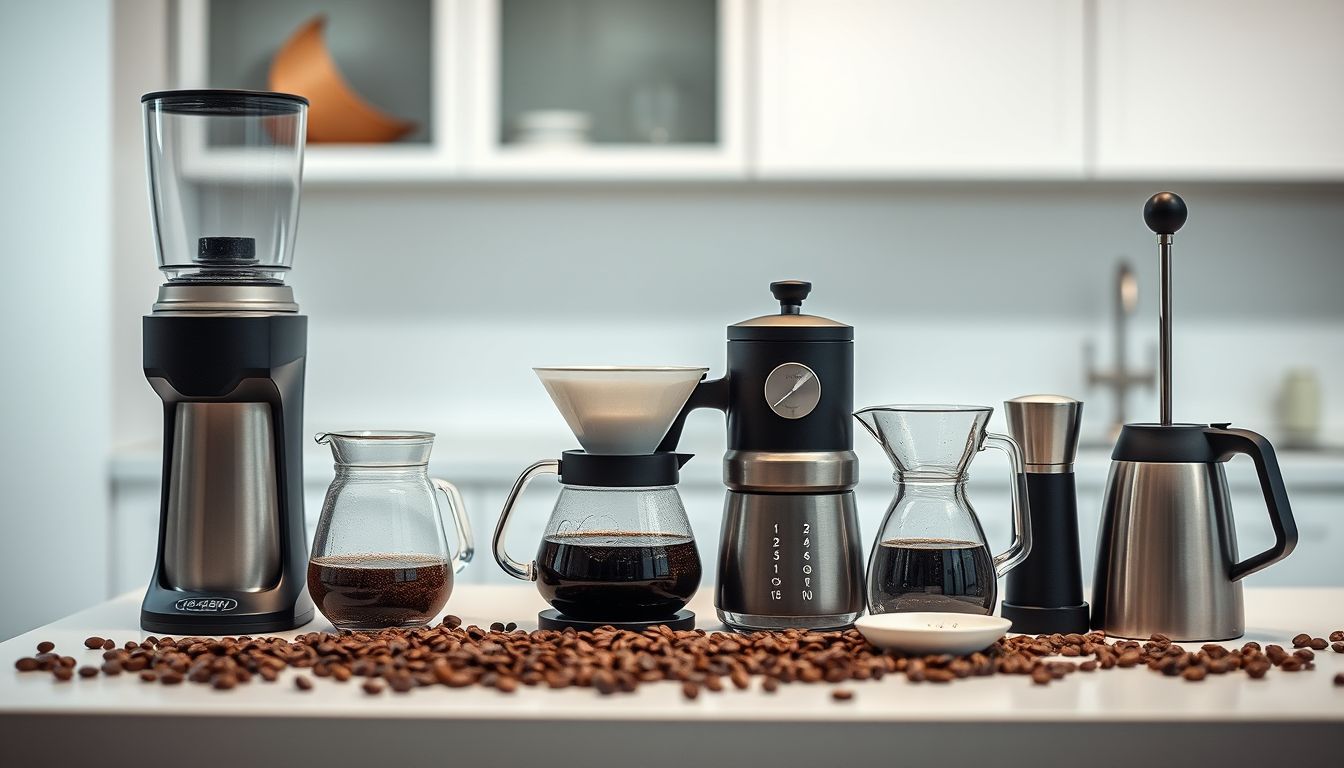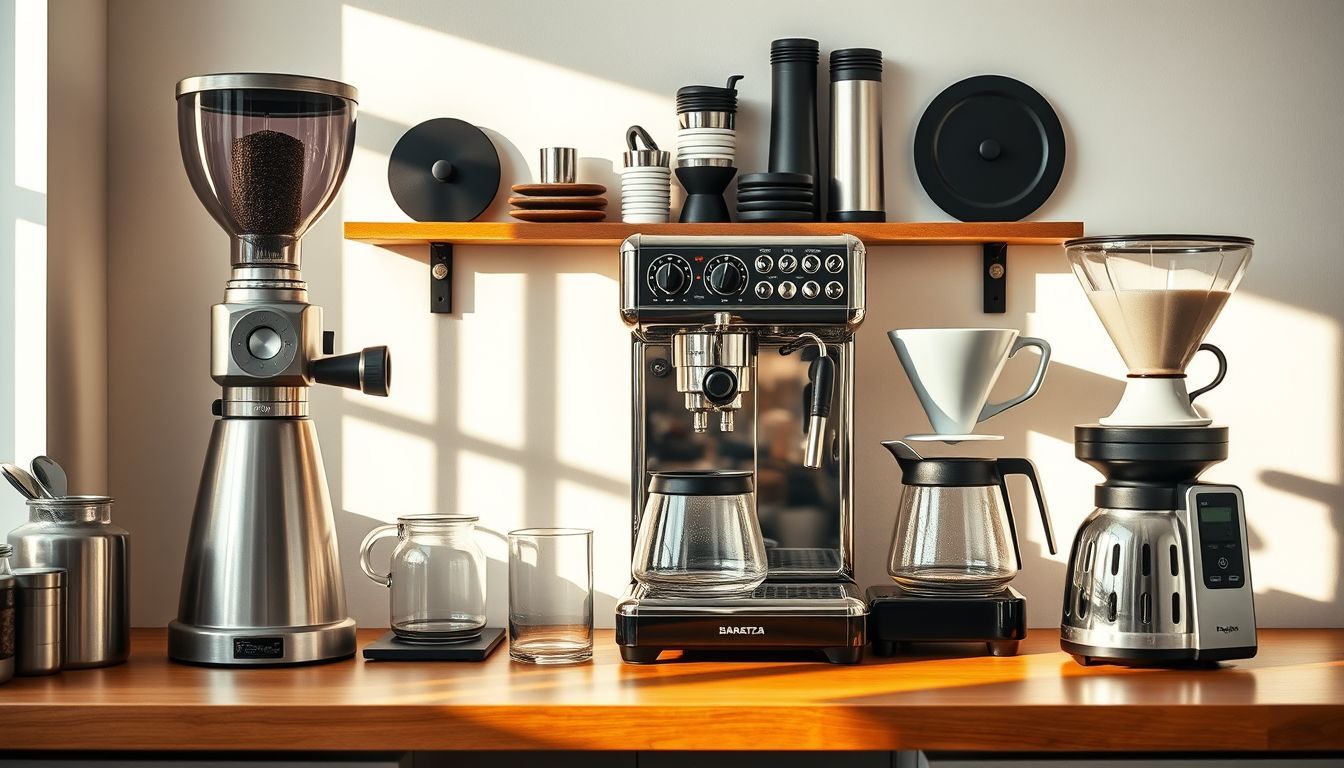
You can build a professional-quality home barista setup for $800-1,200 by prioritizing a quality grinder ($170-400), a reliable espresso machine ($300-500), and essential accessories like a precision scale and gooseneck kettle. The key is investing in affordable barista equipment that delivers consistency and control rather than commercial-grade features you don’t need.
Watch a barista at a specialty coffee shop and it is easy to assume the results depend on the gleaming commercial equipment behind the counter. Recreating that setup at home looks like it would cost thousands.
In practice, much of what makes café coffee good comes from technique, and you can build a complete home barista setup that gets close to café-quality results for under $1,200.
The key is knowing which features matter and which ones only add cost.
Quick pick
Baratza Encore ESP: the grinder matters most, and this one handles espresso without a big price.
What Professional Equipment Means for Home Baristas
What Makes Equipment “Professional”?
In coffee terms, professional equipment is not about chrome finishes or elaborate digital displays. It delivers:
- Consistency: The same results, shot after shot, cup after cup
- Control: Precise adjustment of variables that affect taste
- Durability: Built to handle daily use without breaking down
- Speed: Efficient workflow for multiple drinks
- Reliability: Performs the same way every time
Brand prestige, looks, and complicated features are not on that list.
The Home Advantage
Home baristas have some advantages over commercial operations. You’re making 1–4 drinks at a time, not 200. You can take your time with each cup. You don’t need equipment rated for 8 hours of continuous use. This means you can often get café quality coffee at home with prosumer equipment that costs a fraction of true commercial gear.
Budget vs. Premium: Where You Notice the Difference
| Feature | Budget Equipment | Premium Equipment | Does It Matter? |
|---|---|---|---|
| Grind Consistency | Wider particle size spread | Tighter particle size spread | YES – Directly affects taste |
| Temperature Stability | Larger temperature swings | Tighter temperature control | SOMEWHAT – Noticeable in espresso |
| Build Quality | Shorter lifespan | Longer lifespan | DEPENDS – Calculate cost per year |
| Speed | 30-45 seconds | 5-10 seconds | NO – Not important at home |
| Steam Power | 2-3 minutes to texture milk | 30-60 seconds | SOMEWHAT – Convenience factor |
| Brand Prestige | Unknown brands | Italian heritage | NO – Doesn’t affect your cup |
The Grinder: Your Most Important Investment
Why Grinders Matter More Than Everything Else
Your grinder matters more than your espresso machine or your brewing method. A great grinder with a mediocre espresso machine will usually outperform an expensive machine with a poor grinder.
Grind consistency is one of the biggest variables in extraction quality. Coffee shops use grinders that cost several thousand dollars, but they need that level of performance for hundreds of shots per day. You don’t.
For home volumes, a good grinder around $400, properly dialed in, gets you most of the way to what a commercial unit delivers.
The Sweet Spot: Baratza Sette 270 ($400)
The prosumer sweet spot for espresso grinding sits around $400, where grind quality gets close to commercial machines for home use. It is a sensible target for serious home baristas.
Budget Alternative: Baratza Encore ESP ($170)
If $400 is more than you want to spend, the Baratza Encore ESP offers surprising espresso capability for the price. It won’t match the Sette’s speed or fine-tuning ability, but it’ll grind consistently enough to pull respectable shots.
Espresso Machines: Where to Spend and Where to Save
The Prosumer Sweet Spot: Breville Bambino Plus ($300)
For milk drink lovers, the Bambino Plus offers automatic milk texturing that rivals manual steam wands. It is not as adjustable as the Italian machines, but it is easy to use and produces consistently good results. Owners consistently say its automatic microfoam is good enough for latte art once they dial in the settings.
The Italian Alternative: Gaggia Classic Pro ($449)
The Gaggia Classic Pro represents the entry point to traditional Italian espresso machines, offering manual control and upgrade potential that appeals to tinkerers and purists alike.
Brewing Equipment for Café Quality Coffee at Home
Pour-Over: Professional Results on a Small Budget
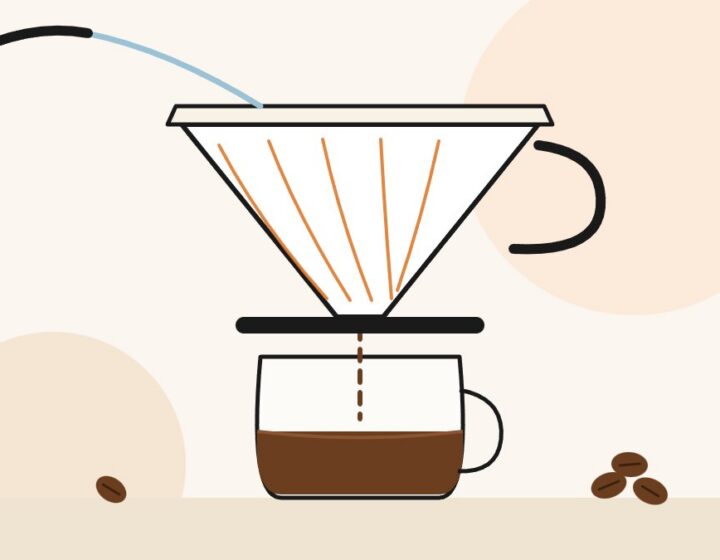
With pour-over, the equipment used in world championship competitions costs under $50. A Hario V60, Kalita Wave, or Chemex can produce coffee that rivals any café, regardless of how much they spent on their batch brewer.
- Hario V60 or Kalita Wave ($25–35)
- Gooseneck kettle with temperature control ($80–120)
- Digital scale with timer ($30–50)
- Quality filters ($10/month)
Total: under $200 for a complete pour-over setup.
Don’t overlook the kettle; pour control matters. The OXO Brew Gooseneck Electric Kettle gives you that control at a moderate price.
French Press: An Underrated Option
Like professional cupping, the French press is a full-immersion method, which is why it’s so good at showing a coffee’s body and character. A quality French press like the Bodum Brazil French Press (about $30) can produce full-bodied coffee that showcases bean quality beautifully.
The key is technique: proper ratios, correct water temperature, and precise timing. The equipment is simple.
Drip Coffee Makers: Push-Button Brewing
For café-quality coffee at home without the manual work, SCAA-certified drip makers offer consistent results at the push of a button. The Technivorm Moccamaster remains the gold standard, though newer options like the Breville Luxe Drip deliver good results for less.
They cost more, but they offer consistency and durability that many cheaper drip makers lack.
Essential Accessories for Your Home Barista Setup
Digital Scale ($30–50)
Professional baristas weigh everything—coffee, water, extraction yield. A basic digital scale with 0.1g precision makes your brewing much more consistent. The BAGAIL BASICS Coffee Scale with Timer works well and is inexpensive.
Tamper ($40–80)
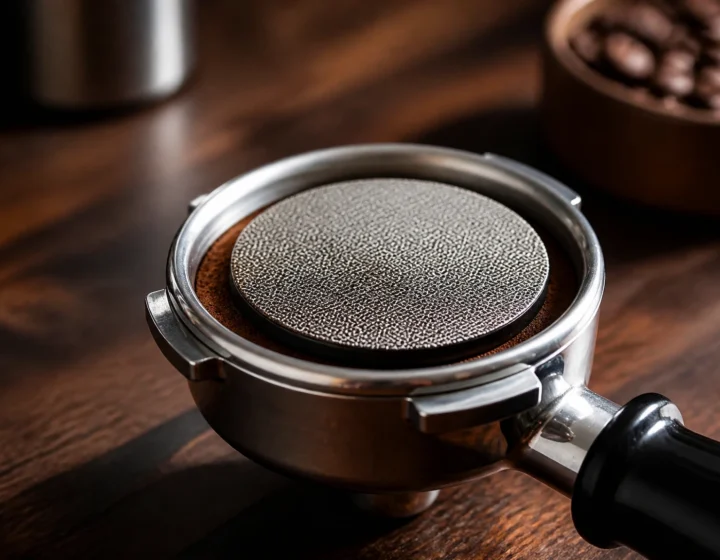
A quality tamper with the right diameter for your portafilter makes a real difference in espresso extraction. Professional baristas rely on accessories like this as much as on their main equipment.
The community-built Breville Barista Express bundle often includes a well-sized 54mm tamper, but aftermarket options abound if you need a different size.
Filters and Paper
Don’t skimp on filters. A good paper filter prevents unwanted particles from muddying your brew. Established brands like Melitta have been used in cafés for decades.
Three Budget Levels for a Home Barista Setup
The Serious Home Barista ($800–1,200)
- Baratza Sette-style grinder (or Encore ESP)
- Gaggia-style machine (or Bambino Plus)
- Pour-over setup: Hario V60 + OXO Gooseneck Kettle
- Professional accessories: BAGAIL Coffee Scale, Bodum French Press, quality filters
The Enthusiast Level ($1,500–2,500)
- High-end grinder: Baratza Sette 270 or similar ($400-500)
- Dual boiler espresso machine: Rancilio Silvia Pro ($1,750)
- Complete pour-over setup with premium kettle
- Professional-grade accessories and backup brewing methods
- WDT tool, puck screen, precision basket
The Almost-Professional ($3,000–4,000)
- Premium grinder: Niche Zero or DF64 ($500-700)
- Prosumer espresso machine: Lelit Bianca or Profitec Pro 300 ($2,500-3,000)
- Multiple brewing methods
- Complete accessory suite
- This level matches or exceeds many commercial café setups for home volumes
Frequently Asked Questions
What’s the minimum budget for affordable barista equipment?
You can start with pour-over equipment for under $200 (V60, gooseneck kettle, scale) and still achieve café-quality results.
Is expensive espresso equipment worth it for home use?
Not usually. Good machines in the $300-500 range get surprisingly close to $3,000+ machines at home volumes.
What matters more: the grinder or the espresso machine?
The grinder, in most cases. A good grinder paired with a modest machine usually outperforms an expensive machine paired with a cheap grinder.
Conclusion: Professional Results, Reasonable Investment
The gap between good enough and professional is smaller than it looks. You can build a home barista setup that produces café-quality coffee on a moderate budget by spending on the right things and learning to use them well.
Start with a quality grinder, choose brewing methods you’ll actually use, and focus on consistency over complexity. Your coffee will improve, and you will spend far less than you would on high-end gear.
Next steps
- Start with the grinder—it’s the foundation of everything else
- Choose your primary brewing method (espresso, pour-over, or both)
- Add accessories that support consistency (scale, thermometer, timer)
- Master your technique with budget equipment before upgrading
- Join our newsletter for equipment deals and brewing technique guides
Expensive equipment cannot fix poor technique, but good technique gets a lot out of budget equipment. The same holds on the road: even baristas who brew while camping can get excellent results with compact equipment and solid fundamentals. Invest in your skills first and your equipment second.