Disclosure: This post contains paid Amazon links. As an Amazon Associate I earn from qualifying purchases.
A home espresso setup needs a machine, a grinder that can be adjusted precisely enough for the basket you use, and a few basic accessories. The Gaggia Classic Pro has a standard 58 mm portafilter. The OXO Brew Conical Burr Grinder is marketed with an espresso-range setting, but its 15 main settings and micro-adjustments do not make it a dependable match for dialing in traditional espresso with the Gaggia’s non-pressurized basket. Check the grinder and basket pairing before buying; a pressurized basket can be more forgiving.
A carefully chosen entry-level setup can make enjoyable espresso, but machine, grinder and accessories together commonly cost more than the machine alone. Check current prices before setting a total budget.
The key is matching features to your routine. Higher-priced machines may add speed, temperature control, construction quality or convenience; those features matter differently to different home baristas and do not guarantee that you will prefer the coffee.
Entry-level options vary by market, model year and included accessories. Compare the current machine and grinder prices together, including warranty and maintenance costs.
This guide looks at the trade-offs in lower-cost espresso gear and explains what to check before combining a machine, grinder and accessories. The product features below are based on manufacturer specifications and published reviews; this is not a hands-on test.
Quick pick
Breville Bambino Plus: a compact machine with a fast heater and automatic milk texturing. Add a separate grinder suited to espresso.
What Budget Espresso Means
“Budget” depends on whether you already own a grinder, scale or other tools. Espresso is less forgiving of grinder limitations than most filter methods, so avoid planning the budget around the machine price alone.
Defining Budget Parameters
Budget for: machine, espresso-capable grinder, scale, tamper that fits the basket, and routine cleaning supplies.
Possible compromises: warm-up time, workflow speed, automation and finish.
Check before buying: grinder adjustment range, basket type, replacement parts and warranty.
What Budget Espresso Can Do
What a budget espresso setup can deliver:
- Espresso: Results depend on fresh coffee, dose, grind, puck preparation, water and the machine working together.
- Milk drinks: A steam wand can texture milk, though practice and workflow differ by machine.
- Learning: A semi-automatic machine gives you control over grinding, dosing and shot timing.
Water Quality Matters
Water affects taste and mineral scale. Start with your local water report or a suitable water test, and follow the machine maker’s guidance. Water needs depend on mineral composition; a TDS reading alone does not tell you hardness and alkalinity.
What to test:
- Check hardness and alkalinity as well as total dissolved solids.
- If your water is hard, use a treatment compatible with the espresso machine to reduce scale risk.
- If your tap water tastes or smells of chlorine, an appropriate carbon filter can improve taste; it does not necessarily reduce hardness.
Practical approach: Use water that meets the machine manufacturer’s recommendations. If remineralizing distilled or reverse-osmosis water, follow the mineral product directions and confirm it is appropriate for your machine; do not assume one recipe fits every machine or local water.
Good water through a budget machine can beat mediocre water through a premium machine.
Building a Budget Espresso Setup
The Machine: Gaggia Classic Pro
Strengths and trade-offs:
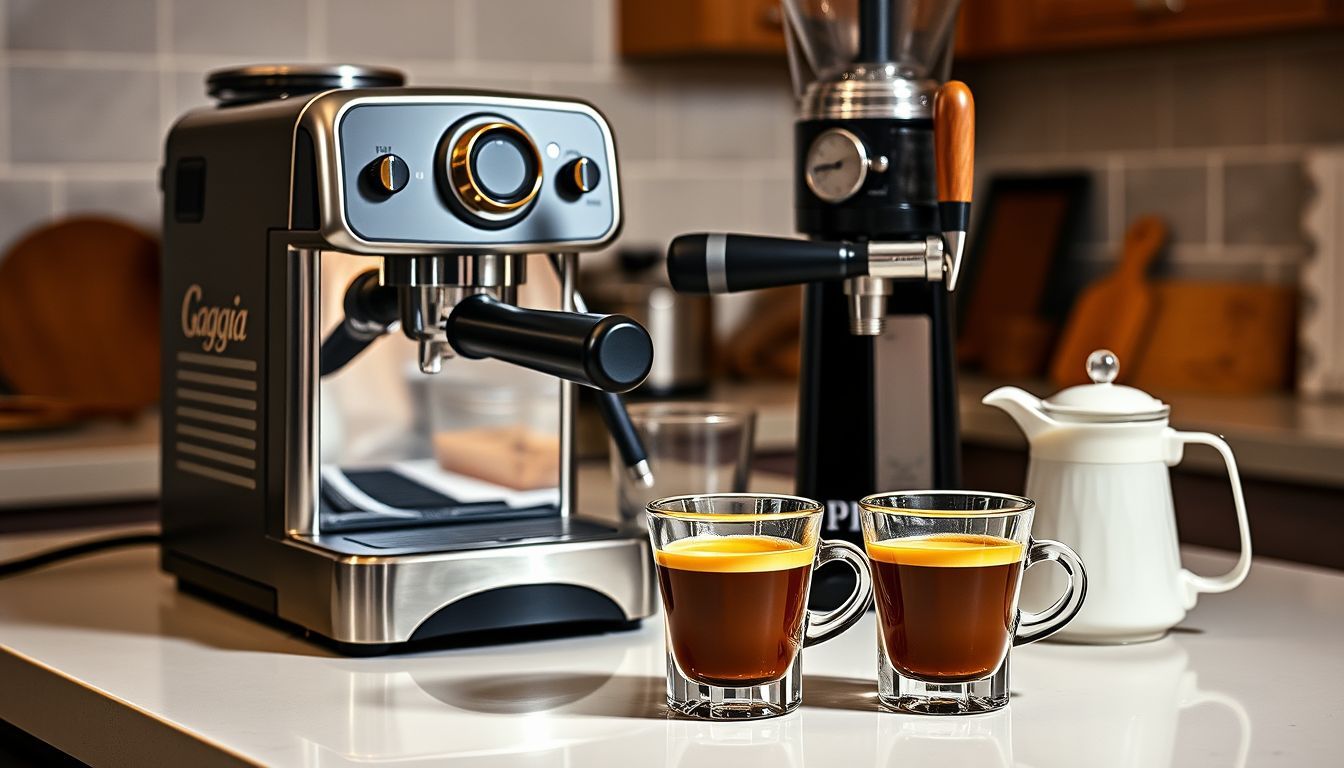
The Gaggia Classic Pro is a semi-automatic machine with a single boiler, a 58 mm portafilter and a steam wand. The exact package and specifications vary by market and model year, so check the current listing and included baskets. It requires practice with dose, grind and temperature management. See current Gaggia Classic listings on Amazon (paid link). If you’re comparing options, our guide to choosing your first espresso machine explains the features to compare.
Technical Specifications:
- Single boiler, so it switches between brewing and steaming
- 58 mm professional-style filter holder
- Manual steam wand
- Check the manufacturer’s current model page and manual for pump, included basket and electrical details
Performance:
The Gaggia Classic Pro has a large user community and a 58 mm filter holder. Shot consistency still depends on technique, coffee, water, basket and grinder; avoid promising that every setup will meet a particular café standard. Confirm accessory compatibility with the exact basket, since aftermarket baskets can differ.
Temperature management can take practice on a single-boiler machine. Follow the manual for your model and use a repeatable routine; a universal flush or wait time is not guaranteed to suit every machine or condition.
The Catch:
A single boiler cannot brew and steam at the same time, so making milk drinks involves switching between brewing and steaming. Expect to learn the machine’s temperature and workflow. Avoid assuming that aftermarket modifications are required; weigh their cost and warranty implications first.
The Grinder: Check Compatibility Before Pairing with the Gaggia
Why It Works on a Budget:
OXO lists 15 numbered grind settings plus micro-adjustments, ranging from fine for espresso to coarse for French press. It uses a timer, not a built-in scale. A reviewer who tested the grinder found its finest setting technically fine enough for espresso, but said the adjustment gaps made dialing in a non-pressurized basket difficult; the review suggests it is more suitable for a pressurized portafilter and batch brewing. That makes it a risky pairing with the Gaggia’s standard basket if traditional espresso is the goal. Check the OXO Brew grinder on Amazon (paid link).
Performance:
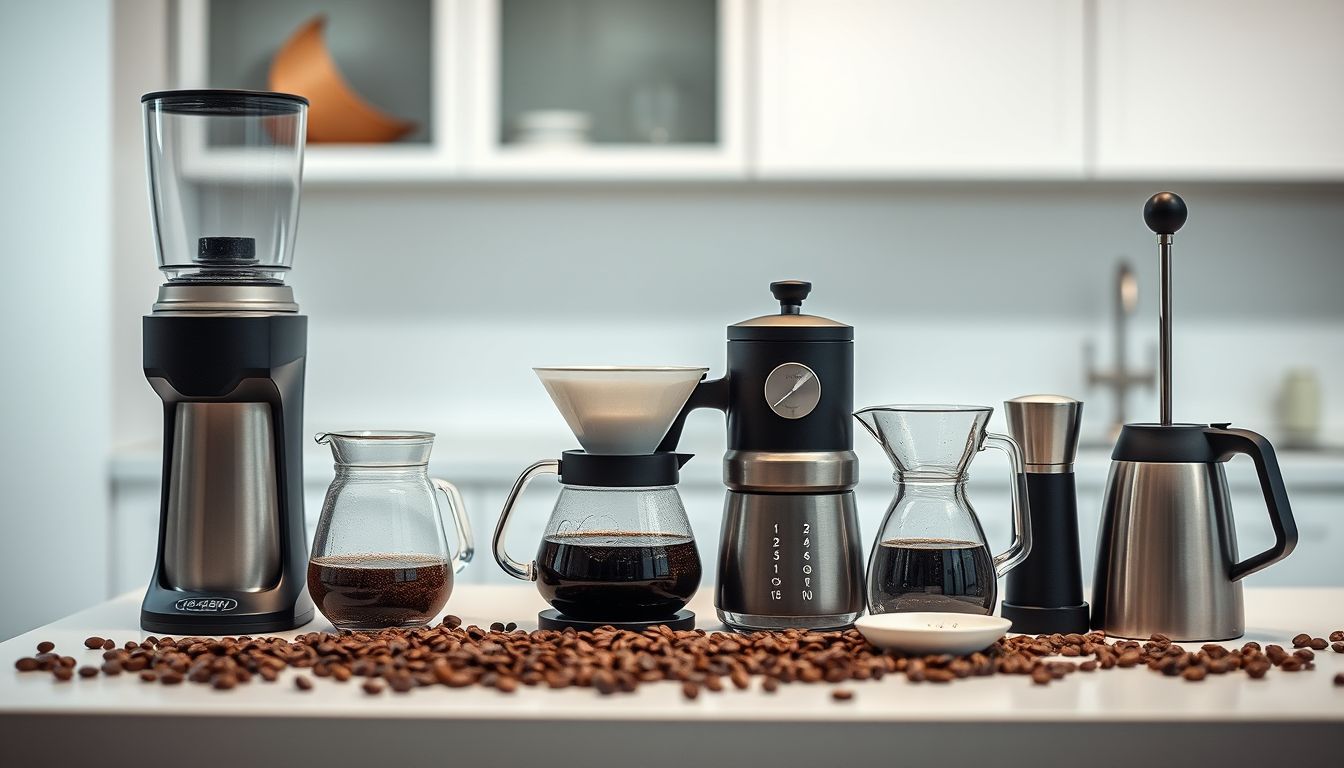
For traditional espresso, choose a grinder that can make small, repeatable grind changes and is designed for espresso. Options such as the Baratza Encore ESP or Fellow Opus are marketed for espresso as well as other brew methods. They cost more than general-purpose filter grinders, but are a better match for learning on a non-pressurized basket.
As coffee ages, the grind may need adjustment. Make small changes and judge the shot by both taste and flow; a single fixed setting or target time will not suit every bean and basket.
Essential Accessories
A few accessories round out the setup:
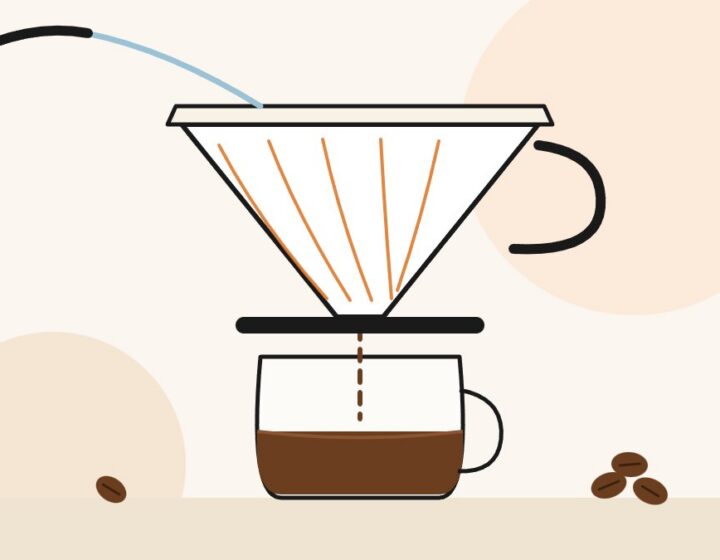
Pour-Over Dripper (optional): Hario V60 Ceramic Coffee Dripper (set of filters recommended)
- While technically a dripper, the Hario V60 dripper is useful for practicing pour-over and understanding extraction.
- Hario V60 Ceramic Coffee Dripper
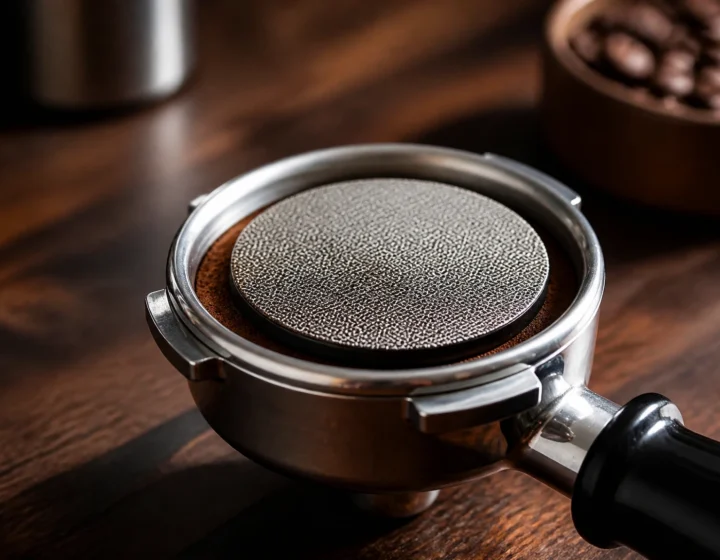
Tamper & Distribution Tool: The Gaggia uses a 58 mm filter holder, so a 51 mm tamper kit is the wrong size. Check the actual basket before buying a tamper; stock and precision baskets can have different internal diameters. A 58 mm or 58.5 mm tamper may fit depending on the basket.
- Choose a tamper matched to the basket you will use. A distribution tool is optional; a level, consistent tamp matters more than pressing unusually hard.
- Browse 58 mm and 58.5 mm tamper options for the Gaggia (paid link)
Milk Frothing Pitcher: 12oz Stainless Steel
- A 12oz milk pitcher is perfect for single drinks—look for one with a sharp spout to practice latte art.

Common Budget Espresso Problems (And How to Fix Them)
Sour shots: Under-extraction is one possible cause, but taste can also reflect the coffee and recipe. Try a finer grind or a longer yield in small steps, then taste again. Shot time is a guide, not a universal pass/fail target.
Bitter shots: Over-extraction is one possible cause. Try a slightly coarser grind or shorter yield, changing one variable at a time.
Thin crema: Check coffee freshness and basket type. Dose according to the basket’s capacity; there is no single double-shot dose for every basket.
Inconsistent temperature: Use a consistent warm-up and brewing routine from the manual for your model. Do not rely on one wait time as a universal temperature-surfing recipe.
Inconsistent shots: Weighing the dose can help make preparation repeatable. Also check grind setting, distribution, basket cleanliness and coffee age.
Upgrade Path Strategy
Upgrade in stages as your skills grow:
Phase 1: Optional Improvements
- Basket: Consider a precision basket only after confirming its dose range and matching tamper size.
- Temperature control: A PID modification is an optional project with added cost and installation effort; it is not required to begin using the machine.
Phase 2: Consider a Grinder Upgrade
- Grinder upgrade: If your grinder cannot make small enough changes to dial in espresso, consider an espresso-capable model such as the Baratza Encore ESP (paid link) or Fellow Opus (paid link). Our coffee grinder guide compares options for different brew methods.
Phase 3: Reassess Your Workflow
- Machine Upgrade: Rancilio Silvia or Breville Dual Boiler. Some readers prefer fully automatic machines for convenience. The Bosch 300 Series offers one-touch milk drinks at a higher price point if hands-off operation matters more than manual control.
- Grinder Upgrade: Eureka Mignon Specialita or similar
Frequently Asked Questions About Budget Espresso Setups
Can you make good espresso with a budget setup?
Yes, a lower-cost setup can make enjoyable espresso. Results depend on the machine, grinder, basket, coffee, water and technique working together; no one specification guarantees a particular flavor or café standard.
What’s the minimum you should spend on an espresso machine?
There is no single minimum price for espresso. Lower-cost machines may use pressurized baskets, which are more forgiving of grinder limitations. A machine with a non-pressurized basket demands finer grind control and more practice. Compare the basket, grinder compatibility, temperature control and service support rather than price alone.
Is an expensive grinder necessary for espresso?
A consistent grinder is important for non-pressurized espresso. The OXO Brew’s manufacturer describes an espresso-range setting, but its relatively broad adjustments can make dialing in challenging. Choose a grinder intended for espresso if that is the main goal.
How long does a Gaggia Classic Pro last?
Lifespan depends on use, water and maintenance. Check replacement-part availability and service options for the exact model in your region.
Final Thoughts
A thoughtful budget setup can make enjoyable espresso without paying for every premium feature. Results depend on matching the machine, grinder, basket, coffee and water, then learning a repeatable routine.
The Gaggia Classic Pro can be a capable learning machine, but the OXO Brew grinder is a compromise for traditional espresso. Before buying the pair, check which basket is included and whether the grinder can dial in with it. For a non-pressurized basket, choose an espresso-capable grinder; if keeping the OXO, a pressurized basket may be more forgiving.
Working with a manual setup can help you learn how grind, dose and yield affect the cup. You may decide to keep the same equipment or upgrade based on what limits your routine.
The best espresso setup is the one that consistently produces coffee you enjoy. For ideas on organizing your space around your new equipment, see our guide to building the ultimate coffee station on any budget.
A simple plan to get started:
- Before ordering: Check the exact Gaggia model, included baskets, seller and warranty.
- Choose the grinder: Make sure it suits the basket and brew method you plan to use.
- Check accessories: Match the tamper to the basket, and add a scale if you do not already own one.
- Learn the workflow: Follow the machine manual and change one recipe variable at a time.
- Upgrade later: Replace the part that limits your routine rather than buying accessories by default.
Sources and Product Specifications
Machine and accessory details checked against Gaggia’s current Classic information, OXO’s grind guidance, a published OXO Brew grinder review, and basket-specific Gaggia tamper fit information. For water, consult your local report and follow the espresso machine manual.