A burr grinder is worth it because it produces uniform coffee particles that extract evenly, creating balanced, flavorful coffee. Unlike blade grinders that chop inconsistently, burr grinders crush beans between two surfaces at a set distance, producing far more uniform particles. This translates to clearer flavors and better sweetness.
Imagine brewing the same bag of excellent Ethiopian beans (a $25 single-origin with notes of blueberry and chocolate) with two different grinders.
Coffee professionals and experienced home brewers describe the difference like this:
- Blade grinder ($20): Bitter and muddy, with the fruit notes lost
- Burr grinder (Baratza Encore): Complex blueberry and chocolate notes that justified the $25 price tag
Same beans. Same brewing method. Same water. Same technique. The only variable is the grinder, yet the two cups can taste like different coffees.
That answers a very common question: is a burr grinder worth it? Expert consensus says yes. Your grinder has more effect on the cup than your brewing device, scale or kettle. A good grinder gets the most out of good beans; a poor one can make even excellent coffee taste flat and bitter.
Quick pick
Baratza Encore ESP: a proven entry-level burr grinder with replaceable parts.
Why Particle Size Matters
Extraction Basics
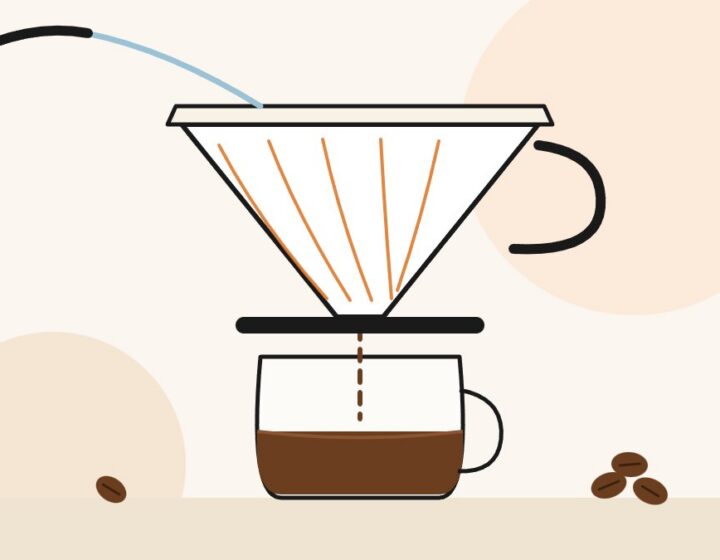
Coffee brewing is essentially controlled extraction—dissolving the desirable compounds from coffee beans while leaving behind the undesirable ones. This process depends entirely on surface area: more surface area means faster extraction, less surface area means slower extraction.
The Target Range: According to the Specialty Coffee Association’s brewing standards, well-balanced coffee comes from extracting 18–22% of the coffee’s mass. Under-extract (below 18%) and you get sour, weak coffee. Over-extract (above 22%) and you get bitter, harsh coffee. The grind size controls how quickly you reach this optimal extraction range.
Particle Size Distribution
It’s not just about average particle size; consistency matters too. When your grinder produces particles ranging from powder to pebbles, some coffee over-extracts while the rest under-extracts, which muddies the flavor.
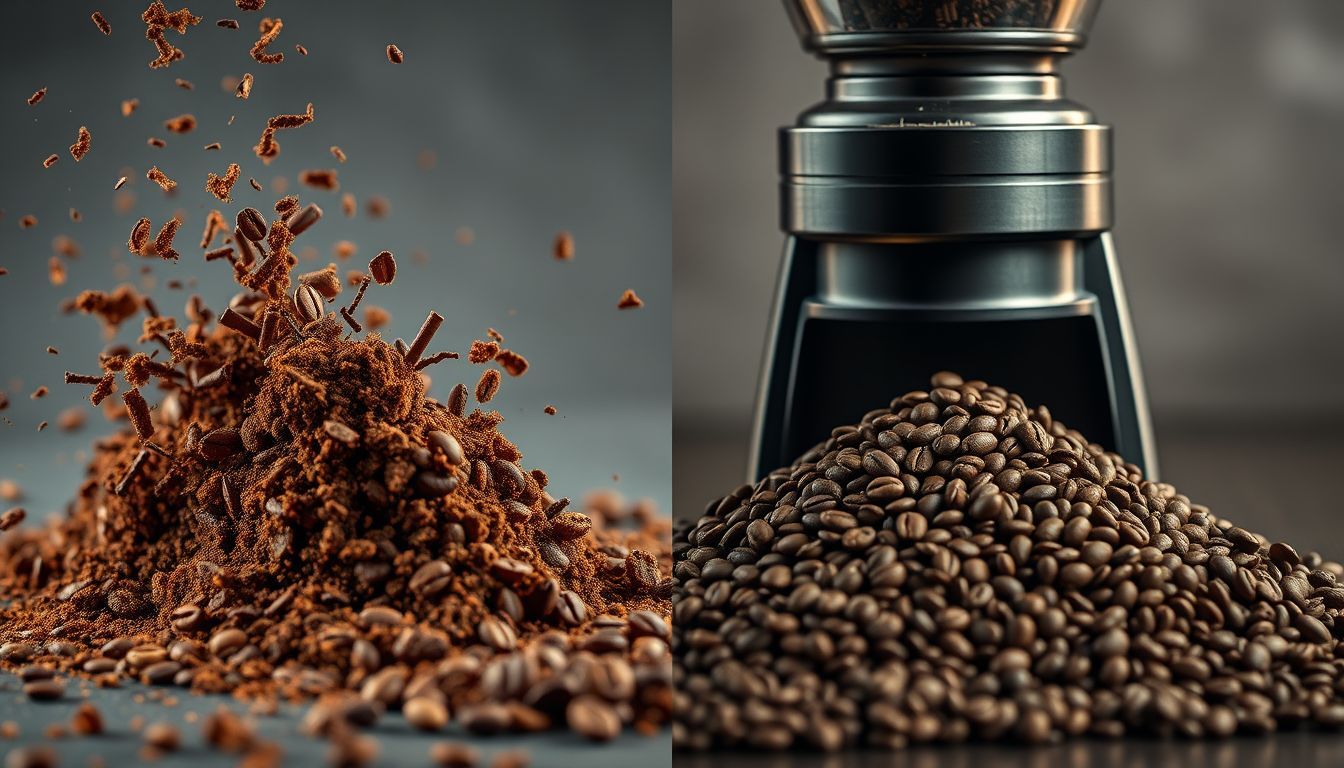
The Blade Grinder Problem: Blade grinders create what coffee researchers call a “bimodal distribution”—lots of very fine particles and lots of very coarse particles, with fewer particles in the optimal middle range. This creates simultaneous over-extraction and under-extraction in the same cup.
The Burr Grinder Solution: Quality burr grinders produce a much tighter distribution, with most particles clustered around your target size and fewer outliers. This enables even extraction and clean, clear flavors.
Burr Grinders vs. Blade Grinders: How They Work
In the burr grinder vs blade grinder comparison, burrs come out well ahead. Here’s why.
How Blade Grinders Work
Blade grinders use a spinning blade to chop coffee beans, similar to a food processor. The longer you grind, the finer the particles become—in theory.
The Reality:
- Particles closest to the blade get pulverized into powder
- Particles farther from the blade remain relatively large
- Heat from friction damages coffee oils and aromatics
- No control over particle size distribution
- Results vary based on bean density, moisture content, and roast level
Visual Analogy: Imagine trying to create uniform wood chips using a chainsaw. You might eventually get some pieces the right size, but you’ll also have sawdust and chunks mixed in.
How Burr Grinders Work
Burr grinders use two abrasive surfaces (burrs) to crush coffee beans between them. The distance between the burrs determines particle size, while the burr design controls particle shape and distribution.
The Mechanism:
- Beans are fed between two burrs
- One burr remains stationary while the other rotates
- Beans are progressively crushed as they move through the burr set
- Particles can only exit when they’re small enough to fit through the gap
- Consistent particle size is mechanically enforced
Types of Burrs:
Flat Burrs: Two parallel discs with cutting surfaces. Produce very uniform particles with slightly more fines. Preferred for espresso and precision brewing.
Conical Burrs: Cone-shaped burr fits inside a ring burr. Produce slightly less uniform particles but with better flavor clarity. Often preferred for filter coffee.
How Grind Consistency Affects Flavor
When all coffee particles are roughly the same size, they extract at roughly the same rate, which is why a burr grinder is worth it even for casual coffee drinkers. Even extraction gives you:
- Balanced Flavor: No single taste component dominates
- Clarity: Individual flavor notes become distinguishable
- Sweetness: Proper extraction reveals natural coffee sugars
- Reduced Bitterness: Less over-extraction from fines
- Reduced Sourness: Less under-extraction from coarse particles
What Coffee Experts Report
Coffee professionals, grinder manufacturers and independent reviewers describe the difference in the same way:
| Grinder Type | Flavor Profile | Texture | Consistency |
|---|---|---|---|
| Blade Grinder | Muddy, indistinct flavors with prominent bitterness | Gritty mouthfeel | Inconsistent, hard to repeat results |
| Burr Grinder | Clear, distinct flavor notes with balanced sweetness | Clean, smooth mouthfeel | Highly consistent across multiple brews |
Room to Improve
As you develop your palate and brewing skills, a consistent grinder lets you:
- Taste subtle differences between coffee origins
- Appreciate the impact of processing methods
- Fine-tune brewing parameters for specific results
- Experiment with advanced brewing techniques
Is a Burr Grinder Worth It? Cost Comparison
Initial Investment Comparison
Blade Grinders: $15–$50
Entry-Level Burr Grinders: $100–$200
Mid-Range Burr Grinders: $200–$500
High-End Burr Grinders: $500–$2,000+
Cost Per Cup Analysis
A burr grinder costs more up front, but it lasts far longer. Here’s a rough comparison over 5 years:
Blade Grinder Scenario:
- Initial cost: $30
- Replacement every 2 years: $60 total
- Total grinder cost over 5 years: about $90
Burr Grinder Scenario:
- Initial cost: $200
- No replacement needed: $200 total
- Total grinder cost over 5 years: about $200, with repairable parts
The payoff: for roughly $100 more over five years, you get more out of every bag of beans you buy.

Rough estimates for illustration; actual prices and lifespans vary.
Beyond the grinder itself, you don’t need to break the bank on other equipment—our guide to budget coffee equipment that punches above its weight shows where to save and where to splurge.
Burr Grinder Categories and Recommendations
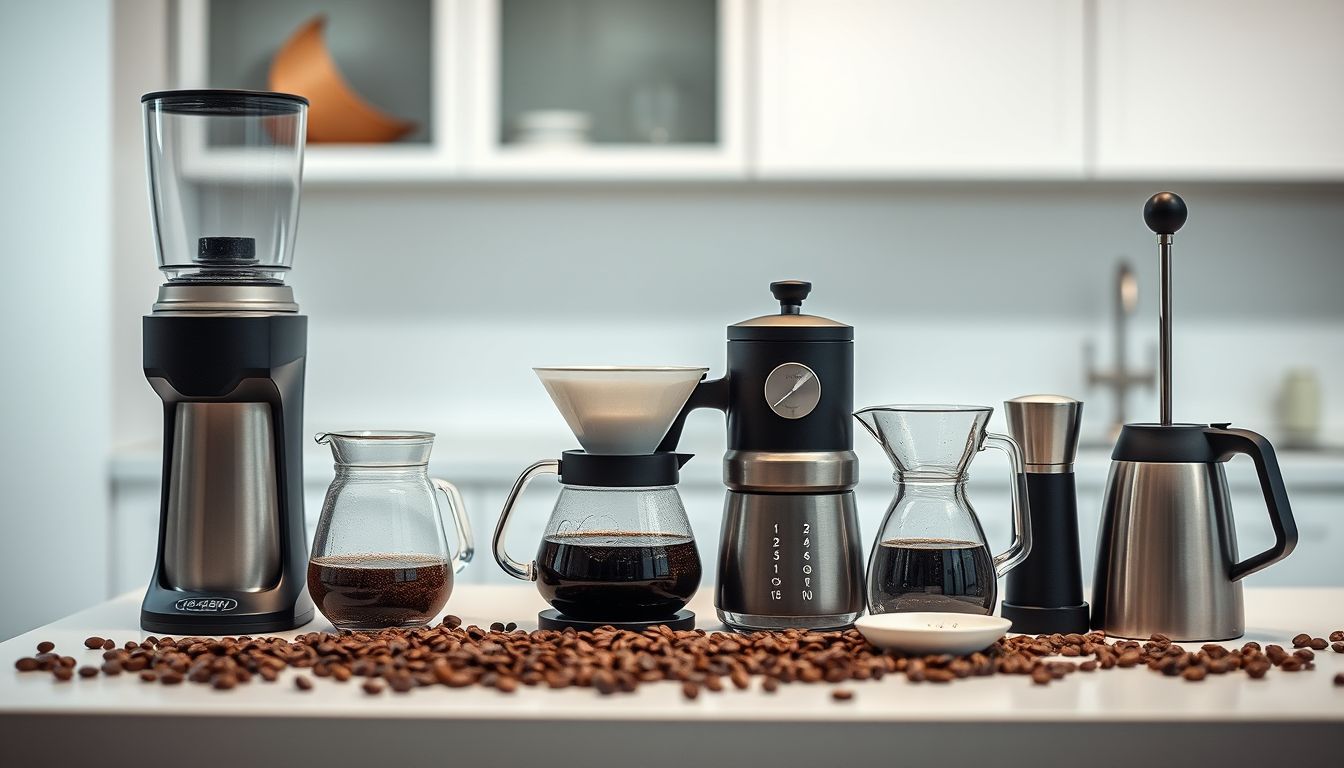
Choosing the best coffee grinder depends on your brewing method and budget. Here’s how to match your needs to the right grinder category:
Entry-Level Burr Grinders ($100–$200)
For comprehensive reviews across all price points, check out our guide to the best coffee grinders for every budget and brewing method. Our top entry-level pick is the Baratza Encore. It has a long track record, and Baratza sells replacement parts, so owners often keep one running for years. This conical burr grinder offers 40 grind settings, solid build quality, and repairable components—ideal for drip coffee, French press, and the home barista.
For those on a budget, the Mr. Coffee Automatic Burr Mill provides better consistency than blade grinders and is easy to find.
Mid-Range Burr Grinders ($200–$500)
Step up to precision dosing and quieter motors in this range. Many mid-range burr grinders use commercial-grade components at home-friendly prices, which makes this a good range for serious home brewers.
High-End Burr Grinders ($500+)
For serious espresso enthusiasts, high-end grinders justify the price. You’ll find commercial-grade uniformity and long-lasting build quality.
Matching Grinders to Brewing Methods
Espresso Requirements
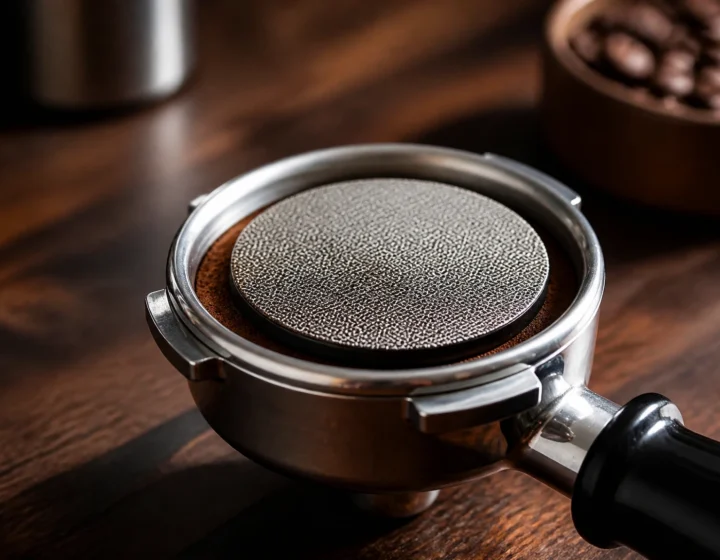
Espresso demands the highest grind consistency and finest adjustment capability:
- Minimum: Stepless or very fine stepped adjustment
- Burr type: Flat burrs generally preferred
- Recommended: Mid- to high-end grinders in the $400+ range
Filter Coffee
Pour-over and drip coffee benefit from clarity and flavor separation:
- Adjustment range: Medium-coarse to medium-fine
- Burr type: Conical or flat burrs both work well
- Recommended: Entry-level to mid-range burr grinder plus a Hario V60 Drip Scale for precision brewing
French Press and Cold Brew
Immersion methods are more forgiving but still benefit from consistency:
- Grind size: Coarse, uniform particles
- Recommended: Any quality burr grinder with coarse settings and good uniformity
If you’re still considering a blade grinder for portability, our comparison of manual vs electric coffee grinders explores hand-powered burr options that deliver consistency without electricity.
Maintenance and Longevity
Quality burr grinders are designed for long-term use with serviceable components:
- Steel burrs: 500–1,000 pounds of coffee
- Ceramic burrs: 750–1,500 pounds of coffee
- Home use: 5–10 years before replacement needed
Tip: Brush out your grinder daily, and deep-clean monthly to prevent buildup and preserve flavor.
When a Burr Grinder Might Not Be Worth It
Burr grinders are the right call for most people, but there are situations where one may not be necessary:
- You drink 1-2 cups per week: At this consumption level, pre-ground specialty coffee from a local roaster may be more practical
- You only drink dark roast: Very dark roasts are more forgiving of grind inconsistencies (though they still benefit from burr grinding)
- You’re budget-limited but need reliability now: A $30 blade grinder beats no grinder if you’re saving for a burr grinder
For everyone else—especially anyone drinking 1+ cups daily or exploring specialty coffee—a burr grinder is the foundation of better coffee.
Frequently Asked Questions About Burr Grinders
Is a burr grinder really necessary for good coffee?
It isn’t strictly necessary, but a burr grinder noticeably improves coffee quality by ensuring even extraction. The consistency difference between burr and blade grinding is the single biggest upgrade most home brewers can make.
How long do burr grinders last?
Quality burr grinders last 5-10 years with home use. Steel burrs handle 500-1,000 pounds of coffee before needing replacement, while ceramic burrs last 750-1,500 pounds.
What’s the minimum I should spend on a burr grinder?
Entry-level burr grinders start at $100-$200 and offer good value. The Baratza Encore at around $150 suits most home brewers.
Conclusion
Expert guidance and owner experience point the same way: a burr grinder is worth it, and for most setups it’s the most useful upgrade. Beyond better-tasting coffee, it lets you taste the difference between a Kenyan and a Colombian, notice processing methods and keep improving your brewing.
Your Action Plan:
- Start with an entry-level burr grinder like the Baratza Encore ($140-160)
- Use your improved grind consistency to dial in your brewing method
- Invest the money you save on wasted beans into better coffee