Japanese coffee equipment stands out for careful engineering and quality materials such as borosilicate glass and ceramic. Brands like Hario and Kalita apply monozukuri, a craftsmanship philosophy, to make tools known for consistent extraction and long service lives.
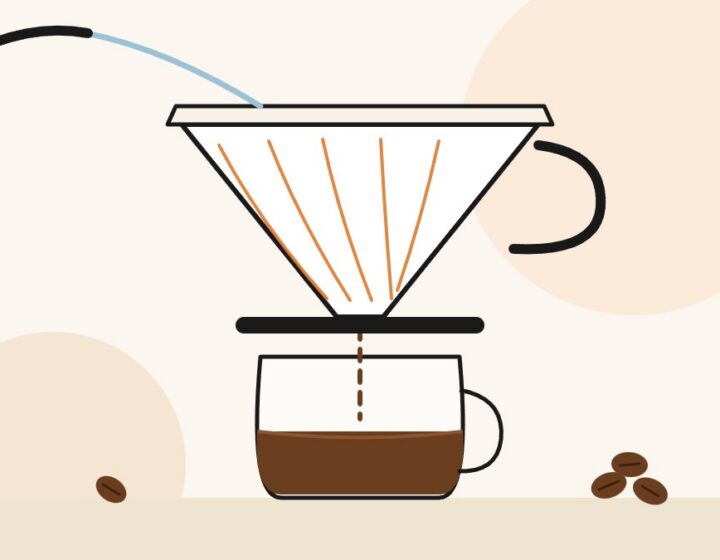
Japanese coffee makers are famous for obsessive precision, and the Hario V60 Ceramic Coffee Dripper is a good example: a simple-looking cone whose angle, spiral ribs and single large hole are all designed to control how water flows through the coffee.
That attention to detail in a $25 coffee dripper is a big reason Japanese coffee equipment has such a strong reputation with baristas and home brewers.
Japanese coffee culture generally treats good equipment as part of good coffee. While many manufacturers focus on convenience, automation, or low cost, Japanese makers tend to focus on refining the design of simple tools.
This guide covers why Japanese coffee equipment costs more, how its design helps you make better coffee, and why these tools can be more economical than buying cheaper alternatives several times.
Quick pick
Hario V60 ceramic dripper: the Japanese pour-over cone most other drippers are compared against.
The Philosophy Behind Japanese Coffee Design
Japanese coffee design draws on a few cultural and philosophical ideas.
Monozukuri: The Art of Making Things
Cultural Foundation
Monozukuri—literally “the art of making things”—represents a Japanese philosophy that emphasizes:
- Pride in craftsmanship and manufacturing
- Continuous improvement and perfection
- Attention to the smallest details
- Long-term thinking over short-term profits
- Respect for both maker and user
Application to Coffee Equipment
The Three Core Principles of Japanese Coffee Tool Design:
- Material Excellence: Borosilicate glass, precision ceramics, and surgical-grade stainless steel chosen for performance, not cost
- Manufacturing Precision: Tight, consistent manufacturing tolerances
- Longevity Focus: Products designed to last 10-20+ years with proper care
In coffee tools, this shows up as designs refined over many iterations, manufacturing that prioritizes quality, and an aesthetic that makes the tools pleasant to use.
Wabi-Sabi and Functional Beauty
Design Aesthetic
Japanese pour over equipment embodies wabi-sabi principles:
- Finding beauty in simplicity
- Celebrating natural materials and processes
- Embracing imperfection as character
- Creating harmony between form and function
- Designing for contemplation and mindfulness
Practical Impact
This aesthetic approach creates equipment that:
- Feels satisfying to use daily
- Ages gracefully with proper care
- Makes brewing more enjoyable
- Connects users to the coffee-making process
- Provides emotional satisfaction beyond function
Kaizen: Continuous Improvement
Iterative Refinement
Japanese brewing tools manufacturers apply kaizen principles through:
- Constant testing and refinement
- User feedback integration
- Small, incremental improvements
- Long-term product development cycles
- Perfectionism in execution
Real-World Examples
The Hario V60 is a good example: Hario has kept refining it over the years and now offers it in several materials and sizes.
Precision Engineering: What Sets Japanese Coffee Equipment Apart
Japanese coffee equipment distinguishes itself through engineering precision that affects how it brews.
Material Science and Selection
Borosilicate Glass
Hario’s Glass Innovation
Hario, a glassware manufacturer since 1921, brings its laboratory glass background to coffee equipment:
- Borosilicate glass with precise thermal properties
- Uniform wall thickness for consistent heat transfer
- Chemical resistance that preserves flavor purity
- Clear glass that lets you watch the brew
- Thermal shock resistance for durability
Performance Impact
Precision glass construction affects brewing through consistent temperature retention, even heat distribution, no flavor contamination, visual feedback during brewing, and long-term performance stability.
Ceramics
Kalita’s Ceramic Drippers
Kalita’s ceramic drippers are designed around:
- Carefully chosen ceramic materials
- Good heat retention
- Smooth glazed surfaces
- Enough thermal mass for a stable brewing temperature
- Durability for long-term use
Complementary Filters
Pair the Wave dripper with Kalita Wave Paper Filters, designed for consistent flow and extraction.
Manufacturing Precision
Dimensional Accuracy
Tolerance Standards
Japanese coffee equipment makers are known for tight manufacturing tolerances:
- Consistently sized drainage holes
- Filter fit tolerances ensuring proper flow
- Strict quality control
Brewing Impact
Precise manufacturing means one dripper behaves like the next, filters fit properly, and results are easier to reproduce.
Surface Finish Quality
Attention to Detail
Surface finishing on Japanese equipment includes smooth internal surfaces for even flow, precise ridge geometry, consistent texture, and durable finishes for long-term use.
Leading Japanese Coffee Equipment Brands
Hario
Company Heritage
Founded in 1921, Hario brings more than a century of glassmaking experience to coffee equipment. It started out making laboratory glassware, developed heat-resistant glass, and later applied that experience to coffee brewing.
Hario continues to add new versions of the V60, including different materials and filter options.
Standout Products
V60 Pour-Over Dripper
Key design features:
- Spiral ridges that guide water flow
- Large drainage hole enables flow control
- 60-degree cone angle, which gives the V60 its name
- Available in multiple materials
We recommend starting with the Hario V60 Plastic Coffee Dripper ($8–$12) as a budget-friendly entry point before upgrading to the ceramic model. For a comprehensive comparison of grinders to complement your brewing setup, see our guide to the best coffee grinders for every budget and brewing method.
Gooseneck Kettle “Buono”
Design features:
- Narrow spout for pour control
- Balanced weight distribution
- Heat-resistant handle design
- Attractive design
For electric convenience, consider the COSORI Electric Gooseneck Kettle with precise temperature control and rapid heating, ideal for pour-over brewing.
Kalita
Innovation Philosophy
Kalita’s designs focus on solving specific brewing problems, including flat-bottom brewing for even extraction, wave filter technology, and multiple size options.
Key Products
Wave Dripper Series
Unique design elements:
- Flat-bottom brewing chamber
- Three-hole drainage system
- Wave filter compatibility
- Professional aesthetics
Brewing advantages:
- More forgiving than conical drippers
- Even extraction across coffee bed
- Consistent results with less technique
That makes the Wave a good fit if you want excellent coffee without fussy technique. If simplicity is your priority, check out our roundup of the best coffee equipment for people who hate complicated gadgets.
Complement this dripper with the Kalita Wave Paper Filters.
Timemore: Modern Japanese-Inspired Design
Design Approach
Timemore is a Chinese company, but its products follow similar principles: minimalist design, precise engineering, quality materials, attention to user experience, and steady product improvement.
Notable Products
Chestnut C2 Manual Coffee Grinder
Features:
- Precision-milled conical burrs
- Adjustable grind range from espresso to French press
- Compact, portable form
- Durable CNC machined body
Upgrade your grinder with the Timemore Chestnut C2 Manual Coffee Grinder, which works at home or for travel. A consistent grind matters as much as the dripper for even extraction.
What Owners and Experts Report
CoffeeLogik hasn’t run lab tests on these drippers. Here is what coffee professionals, reviewers and long-term owners consistently report.
Consistency
The V60’s spiral ribs and single large hole, and the Kalita Wave’s flat bed and three small holes, are designed to control flow. Baristas value both because they give repeatable results cup after cup, and both are staples at brewing competitions.
Durability and Longevity
Well-made ceramic and borosilicate glass drippers don’t warp, stain or absorb odors, and owners commonly report using the same Hario or Kalita dripper for many years. Budget plastic drippers are cheaper up front but can warp or scratch over time.
Economic Analysis: Investment vs. Cost
Total Cost of Ownership
Investing in well-made equipment often costs less over time than repeatedly replacing cheaper alternatives. Even a modest setup (dripper, filters, grinder and kettle) pays off in both performance and longevity.
For more budget options, see our guide to the best budget coffee equipment that punches above its weight.
Building Your Japanese Coffee Setup: A Practical Guide
Starter Kit ($50-75)
For newcomers to Japanese coffee equipment, begin with these essentials:
- Hario V60 Plastic Dripper ($8-12): The same design at an entry-level price
- Hario V60 Paper Filters (100 count, $8-10): Purpose-designed for optimal flow
- Budget gooseneck kettle ($25-35): Any narrow-spout kettle works initially
- Hand grinder or pre-ground coffee: Focus on the dripper technique first
Intermediate Setup ($200-300)
Once you’ve mastered basic technique:
- Hario V60 Ceramic Dripper ($25-30): Superior heat retention
- COSORI Electric Gooseneck Kettle ($70-80): Adds temperature control
- Timemore C2 Manual Grinder ($65-75): Fresh-ground coffee makes a noticeable difference
- Kalita Wave Dripper ($25-30): Different brewing style expands your options
Professional Home Setup ($500-800)
For serious enthusiasts:
- Hario V60 Ceramic + Kalita Wave 185: Both brewing methods
- Premium electric kettle with PID control ($120-180)
- Timemore Sculptor or similar high-end hand grinder ($200-250)
- Hario Range Server + Scale ($40-60)
Where to Buy Authentic Japanese Coffee Equipment
- Amazon (linked products above): Convenient, authentic if purchased from verified sellers
- Specialty coffee retailers: Often stock genuine Japanese equipment
- Direct from Japan: Sites like Kurasu offer authentic products with international shipping
- Avoid: Generic marketplace sellers with suspiciously low prices (counterfeits are common)
Maintenance and Care
Proper Care Techniques
- Rinse glass and ceramic immediately after use
- Use warm water and mild soap
- Avoid thermal shock on glass
- Dry thoroughly to prevent spots
- Store carefully to avoid impacts
Frequently Asked Questions About Japanese Coffee Equipment
Is Japanese coffee equipment worth the higher price?
Yes, for serious coffee enthusiasts. Japanese drippers like the Hario V60 and Kalita Wave are designed for consistent flow, and well-made ceramic and glass versions can last for many years, which often makes them cheaper over time than replacing budget gear.
What’s the best Japanese coffee brand for beginners?
Hario offers the best entry point with their V60 plastic dripper ($8-12) and Buono kettle. Both are affordable and widely used by professionals.
How long does Japanese coffee equipment last?
With proper care, well-made glass and ceramic drippers can last many years; the main risk is breakage.
Final Thoughts
Japanese coffee equipment reflects the idea that good coffee depends on every part of the brewing process. A well-made Hario V60 or Kalita Wave is an inexpensive tool that can make better coffee for many years.
Start with one piece, such as a Hario V60 plastic dripper, and practice your pour. Then decide whether to add more.