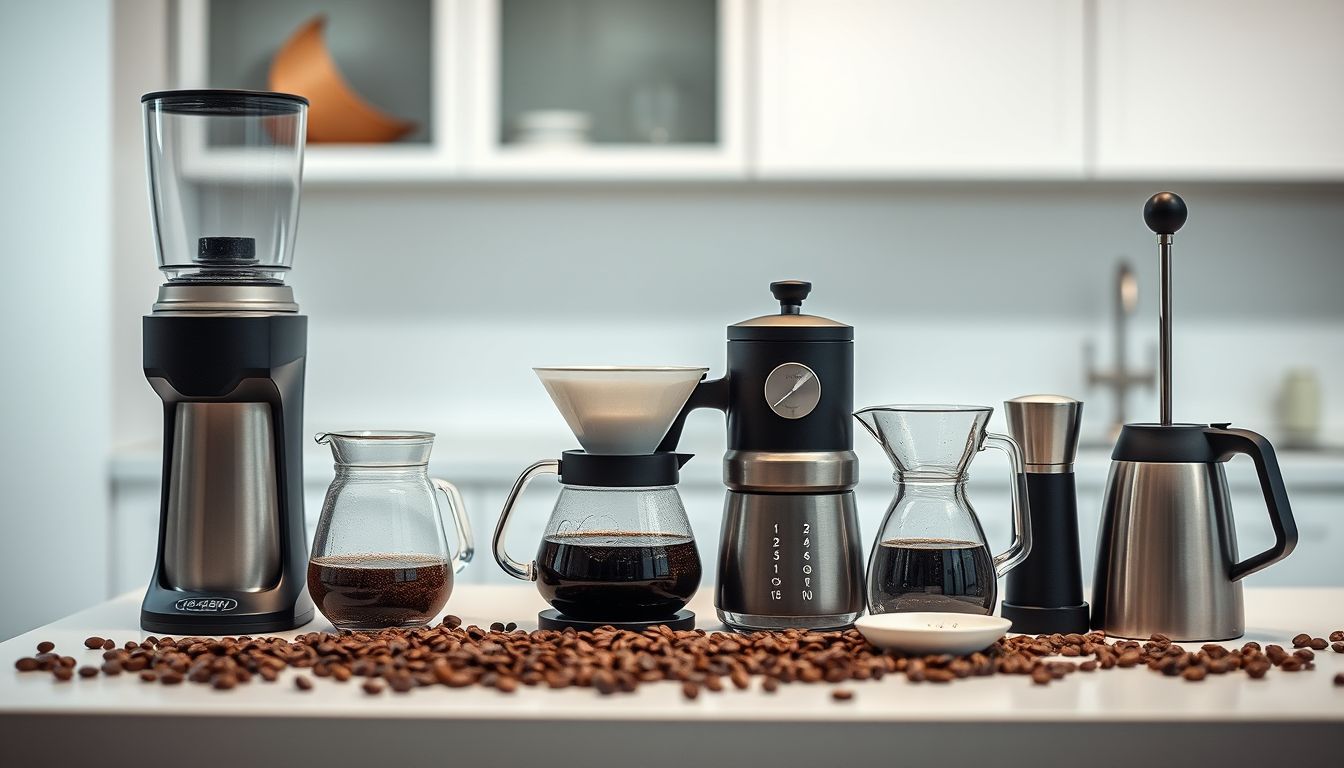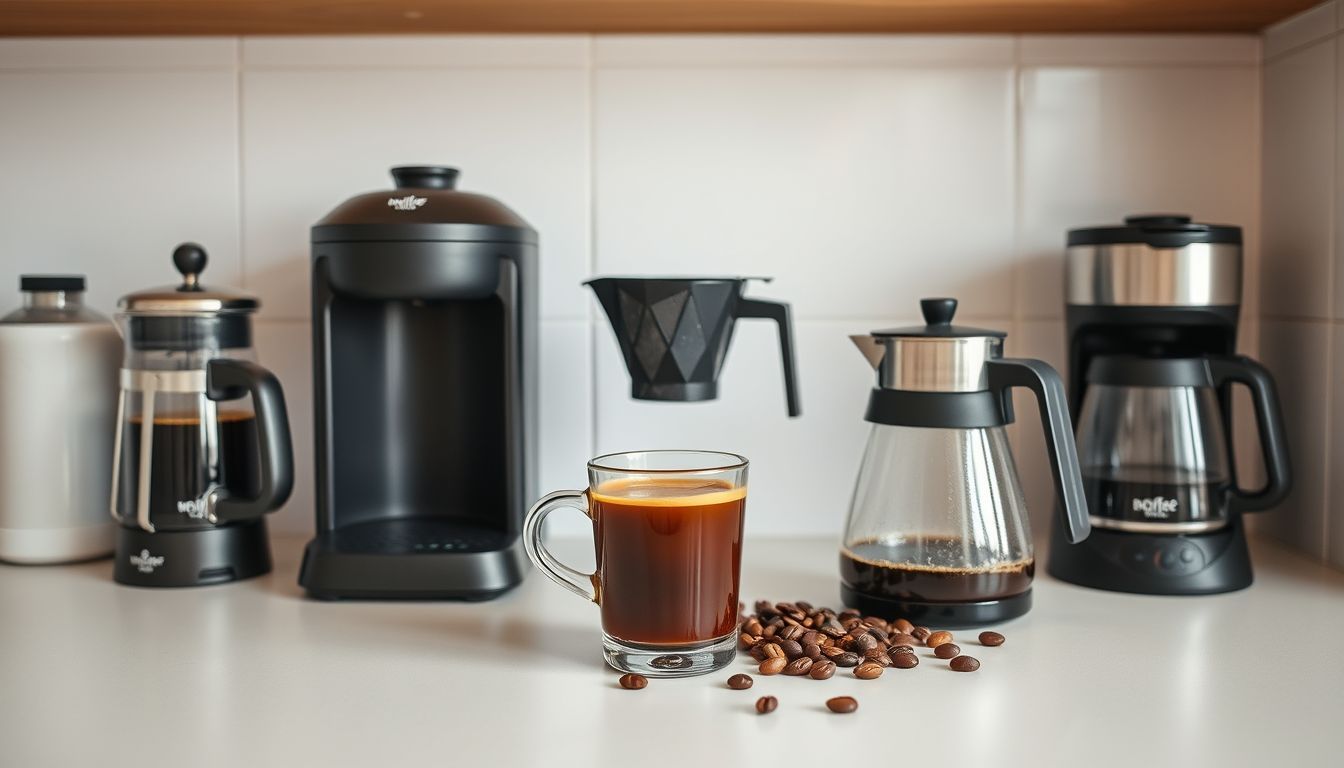
The best simple coffee equipment includes French presses ($25-60), SCA-certified automatic drip makers ($100-200), and Moka pots ($20-40). These tools make good coffee without complicated settings, precise technique, or constant monitoring. Choose equipment with minimal controls, consistent results, and easy maintenance.
Expensive, button-heavy coffee machines are one of the most common sources of buyer’s regret. Read the one- and two-star reviews on almost any complex espresso machine and you’ll find the same complaint: the owner wanted good coffee, not an engineering project.
Plenty of coffee lovers feel overwhelmed by gadget culture: multi-step brewing processes, precision timing, temperature controllers and pressure gauges.
Simple coffee equipment often works better in daily use than complicated gadgets, and some of the most consistently well-reviewed brewers are also the easiest to operate.
This guide covers tools that make good coffee without the complexity. It is for anyone who values simplicity, skips instruction manuals, and wants good coffee without a 20-minute routine.
Quick pick
AeroPress: one small brewer, a short recipe, and it rinses clean in seconds.
5 Simple Coffee Brewers at a Glance
- French Press – $25-60 – Zero technique required
- Automatic Drip Maker – $100-200 – Set and forget
- Single-Serve Pod Machine – $80-150 – One-button brewing
- Cold Brew Maker – $20-50 – Mix and wait
- Moka Pot – $20-40 – Stovetop simplicity
Why Simple Often Beats Complex
The Paradox of Choice
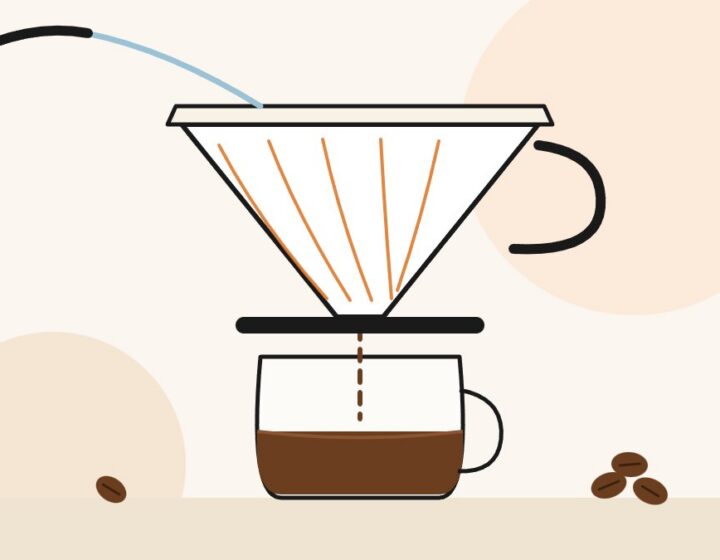
It’s easy to feel paralyzed in front of an espresso machine with dozens of settings, afraid to press the wrong button. Meanwhile, a $20 plastic pour-over dripper can make an excellent cup with almost no learning curve.
Complexity doesn’t equal quality.
In fact, more moving parts create more problems:
- More things that can break
- More maintenance requirements
- More opportunities for user error
- More frustration when something goes wrong
Owner reviews of everything from $50 drip makers to $3,000 super-automatics point the same way: simple equipment tends to be more satisfying to use every day. The same gear that suits beginners is often what experienced coffee drinkers reach for on weekday mornings.
How Coffee Fits Into a Real Morning
On most mornings you’re rushing to get ready for work, maybe dealing with kids or pets, and you need coffee to function. The last thing you want is equipment that requires perfect technique or fails if you’re slightly off on timing.
The best coffee equipment for real life is:
- Forgiving: Works well even when you’re half-asleep
- Consistent: Delivers good results every time
- Low-maintenance: Doesn’t require constant attention
- Intuitive: You can use it without thinking
Top Picks Compared
These picks balance quality and ease of use.
| Equipment | Price | Brew Time | Effort Level | Best For |
|---|---|---|---|---|
| French Press | $25-60 | 4 min | Minimal | Full-bodied coffee lovers |
| Drip Maker | $100-200 | 8 min | Zero | Morning automation |
| Pod Machine | $80-150 | 1 min | Minimal | Ultimate convenience |
| Cold Brew | $20-50 | 12-24 hrs | Minimal | Batch preparation |
| Moka Pot | $20-40 | 5 min | Low | Strong coffee fans |
1. French Press
Why It Suits Gadget-Haters
The French press is coffee equipment at its most elemental. Add coffee, add hot water, wait four minutes, press down. That’s it. No filters to buy, no precise pouring technique, no temperature monitoring.
A French press is one of the easiest brewers to master on the first try. It’s nearly impossible to mess up, and it makes rich, full-bodied coffee that many people prefer to more “sophisticated” methods. With a glass beaker and a steel filter, there are very few parts to wear out, and owners regularly report using the same Bodum for years.
I recommend the Bodum 34 Oz Brazil French Press Coffee Maker for its high-heat borosilicate glass, durable stainless steel filter, and comfortable handle. It brews a full liter, enough to share.
What Makes a Good French Press
- Double-wall insulation: Keeps coffee hot longer
- Quality filter: Prevents grounds in your cup
- Comfortable handle: Easy to grip when full
- Durable construction: Will last for years
The Simple Process
- Coarse grind coffee (or buy pre-ground)
- Add to French press
- Pour hot water over grounds
- Wait 4 minutes
- Press plunger down slowly
- Pour and serve
Investment: $25-60 for a quality French press that can last for years.
2. Automatic Drip Coffee Maker
Beyond Basic Drip
Automatic drip makers don’t sound special, but a good one is about as close to set-and-forget as coffee gets. SCA-certified drip brewers show that automation does not have to mean lower quality.
SCA-certified brewers have to brew within 92–96°C (197.6–204.8°F) to earn certification, while many basic drip makers run cooler. That temperature consistency makes a real difference in extraction quality.
Features That Matter
- SCA certification: Meets Specialty Coffee Association standards for brewing temperature, contact time, and extraction quality
- Proper brewing temperature: 195-205°F automatically
- Even water distribution: Saturates all grounds evenly
- Thermal carafe: Keeps coffee hot without burning it
- Programmable timer: Wake up to fresh coffee
A well-featured budget option is the SHARDOR 10-Cup Programmable Coffee Maker, which offers both regular and strong brew settings, an 8-cup thermal carafe, and a handy pause-and-serve function.
For simple, premium drip brewing, the Technivorm Moccamaster is the benchmark: one-switch operation with SCA-certified performance.
The Hands-Off Experience
Add coffee and water the night before, set the timer, and wake up to fresh coffee. No technique required, no monitoring needed, no cleanup beyond rinsing the carafe.
Investment: $100-200 for an SCA-certified machine that makes good coffee automatically.
3. Single-Serve Pod Machines
When Convenience Comes First
Coffee purists tend to be skeptical of pod machines, but for people who have struggled with every other brewing method, a simple pod setup is often the thing that finally sticks. Sometimes convenience is exactly what you need.
Modern pod machines make decent coffee, especially if you choose quality pods. The process couldn’t be simpler: insert pod, press button, get coffee.
Give the Keurig K-Duo Hot & Iced Single Serve & Carafe Coffee Maker a try. It handles both K-Cup pods and ground coffee, offers a 72-oz reservoir, and has an iced coffee setting.
Choosing the Right System
- Pod variety: More options = less boredom
- Cup size options: Different moods need different amounts
- Fast heating: No waiting around
- Easy maintenance: Simple descaling process
Making Pod Coffee Better
- Invest in quality pods from good roasters
- Use filtered water
- Clean your machine regularly
- Consider reusable pods for your own coffee
Investment: $80-150 for a quality machine, plus ongoing pod costs.
4. Cold Brew Maker
Slow Brewing, Little Effort
Cold brew is one of the lowest-effort brewing methods. Mix coffee and water, wait 12-24 hours, strain, and you have concentrate that lasts a week. No timing, no temperature control, no technique required.
Why Cold Brew Is Easy
- Make once, drink all week: Batch preparation—perfect for making multiple cups at once without repeating the process daily
- Smooth: Often tastes less bitter than hot-brewed coffee
- Concentrate format: Customize strength to taste
- No heat required: Good for summer
- Nearly impossible to mess up: Very forgiving process
I recommend the Takeya Tritan Cold Brew Coffee Maker for its durable, BPA-free pitcher and fine stainless steel filter.
Simple Cold Brew Process
- Mix coarse coffee with cold water (1:4 ratio)
- Let sit 12-24 hours at room temperature
- Strain through fine mesh or cheesecloth
- Store concentrate in fridge
- Dilute with water or milk to taste
Investment: $20-50 for a dedicated cold brew maker, or use any large jar.
5. Moka Pot
Old-School Simplicity
The Moka pot has been making strong, espresso-like coffee for nearly a century with very little complexity. Fill the bottom with water, add coffee to the middle chamber, put it on the stove, and wait for the gurgling sound that means your coffee is ready.
A dependable classic is the Primula Classic Stovetop Espresso and Coffee Maker for its sturdy aluminum body and manual operation.
Why It Works for Simple Setups
- No electricity required: Works on any stovetop
- Consistent results: Same process every time
- Strong coffee: Concentrated like espresso
- Durable: Aluminum versions last for decades
- Affordable: Great coffee for under $30
The Method
- Fill bottom chamber with water to safety valve
- Add medium-fine coffee to filter basket
- Screw top and bottom together
- Place on medium heat
- Remove when coffee stops flowing
- Pour and serve
Investment: $20-40 for a quality Moka pot that’ll outlast most electric appliances.
Simple Accessories
Coffee Grinder
If you’re going to have one “complicated” piece of equipment, make it a grinder. Fresh-ground coffee tastes noticeably better than pre-ground, and modern grinders are much simpler than they used to be.
For a straightforward, electric burr grinder, try the Wancle Electric Burr Coffee Grinder. It offers 28 grind settings, a 12-cup capacity, and easy one-touch operation.
Digital Scale
A coffee scale eliminates guesswork. Instead of eyeballing measurements and getting different results every time, you measure once and repeat exactly.
A good budget scale is the BAGAIL BASICS Coffee Scale with Timer. It’s accurate to 0.1 g, measures up to 500 g, and has a built-in timer.
Thermal Carafe
Whether you’re using a French press or drip maker, a thermal carafe keeps coffee hot without burning it. No hot plates, no reheating, just warm coffee for hours.
Pick up a 68-oz insulated airpot like the Sunpentown 68oz Airpot Coffee Dispenser for large batches or the 34-oz Thermos Stainless King Vacuum-Insulated Carafe for smaller setups.
Building Your Simple Coffee Setup
The Minimalist Morning Setup
- French press
- Pre-ground coffee from a local roaster
- Filtered water
- BAGAIL BASICS Coffee Scale with Timer
Total investment: $100-150—and if budget is tight, check out our guide to budget coffee equipment that punches above its weight for even more affordable options.

Daily effort: 1 minute
For solo coffee drinkers, the Mr. Coffee 5-Cup Mini Brew offers dead-simple operation in a compact footprint.
The Stovetop Setup
- Primula Moka Pot
- Wancle Electric Burr Coffee Grinder
- Digital scale
- Kettle
Total investment: $120-180
Daily effort: 5 minutes
The Batch Preparation Setup
- Takeya Cold Brew Maker
- Coarse pre-ground coffee
- 68-oz thermal airpot
Total investment: $50-100
Weekly effort: 10 minutes
4 Simple Setup Mistakes to Avoid
1. Overthinking Water Temperature
Yes, water temperature matters, but you don’t need a thermometer. Boil water, wait 30 seconds, and you’re in the right range. Or use an electric kettle with temperature control and set it once.
2. Obsessing Over Grind Size
Start with the recommended setting for your brewing method and adjust only if your coffee tastes off. Most people find a setting they like within a few tries.
3. Buying Too Much Equipment
Start with one brewing method and master it before adding others. The best simple setup is the one you actually use consistently.
4. Ignoring Maintenance
Simple equipment still needs basic care. Rinse after use, descale monthly, and your simple tools will serve you for years.
Why Simple Setups Work
Quality Over Complexity
Some of the best coffee you can make at home comes from very simple setups. A $40 French press with fresh beans and the right ratio can match a $400 multi-function machine.
Consistency Beats Perfection
Good coffee every day beats perfect coffee once a week followed by six days of frustration. Simple equipment delivers that consistency.
Your Time Has Value
Every minute you spend fighting with complicated equipment is a minute you could spend enjoying your coffee or getting on with your day.
Frequently Asked Questions
What is the easiest coffee maker to use?
Single-serve pod machines are the easiest—insert pod, press button, get coffee. However, French presses run a close second with only slightly more involvement (add coffee, add water, wait 4 minutes, press) while delivering richer, more customizable results.
Do I need expensive equipment for good coffee?
No. A properly used French press or pour-over can make coffee as good as far more expensive machines. The key is fresh beans and correct ratios, not complicated equipment. You can make excellent coffee with a $25 French press.
What coffee maker requires the least maintenance?
French presses and Moka pots require the least maintenance—just rinse after use and occasionally deep clean. No filters to replace, no complex descaling procedures. Automatic drip makers need monthly descaling but are otherwise low-maintenance.
Is a French press easier than a drip coffee maker?
French presses require slightly more hands-on time (4 minutes of waiting, then pressing) but are simpler mechanically with no programming needed. Drip makers are more hands-off (set and forget) but require initial setup and filter replacements. Choose based on whether you prefer minimal steps or minimal attention.
How long does simple coffee equipment last?
French presses and Moka pots can last many years with proper care. Quality drip makers usually last several years with regular descaling, and pod machines tend to wear out sooner under heavy daily use. Simple mechanical equipment generally outlasts complex electronic alternatives.
Why Simplicity Is Worth It
It’s Not About Being Lazy
Choosing simple coffee equipment isn’t about taking shortcuts – it’s about being smart with your energy and attention. You’re focusing on what matters: great-tasting coffee that fits into your real life.
Reliability
Equipment that just works is satisfying to use. No troubleshooting, no perfect technique required, no anxiety about whether this cup will turn out right.
Building Sustainable Habits
The best coffee routine is the one you can maintain long-term. Simple equipment makes it easy to stick with good coffee habits even when life gets busy. If you’re brewing for multiple people throughout the day, check out the best coffee equipment for people who drink 6+ cups daily for high-volume solutions.
The Takeaway
Great coffee doesn’t require complicated equipment or perfect technique. It requires good beans, proper ratios, and tools that work reliably.
Start with one simple method that appeals to you. (And if you’re a decaf drinker, our best equipment for making decaf coffee guide covers the same simple philosophy.) Master it. Enjoy it. Don’t let anyone convince you that you need more complexity to have “real” coffee appreciation.
Where to Buy Simple Coffee Equipment
Most of this beginner-friendly coffee gear is available at major retailers, but Amazon is a good place to start for selection and return policies. That makes it easier to try a straightforward coffee maker and return it if it does not suit you.