Light Roast Caffeine Content
The Short Answer
Light roast caffeine content is slightly higher than dark roast when measured by weight, as the roasting process doesn’t significantly degrade caffeine. However, when measured by volume (scoops), light roasts contain more caffeine because the beans are denser and you fit more beans per scoop.
Many people assume dark roast has more caffeine because it tastes stronger. In practice, the difference depends mostly on how you measure your coffee. This guide compares light roast caffeine content with darker roasts and explains why measuring method matters more than roast level.
The Roasting Process and Its Impact on Caffeine
Roasting heats green coffee beans to change their chemical and physical properties and develop flavor.
Roasting also changes the beans’ weight and density. Because caffeine is fairly stable during roasting, losing only a small share even at dark roast levels, measuring by weight is the most reliable way to predict your cup’s caffeine content.
Weight Loss During Roasting
As beans roast, they lose moisture and mass. Darker roasts, subjected to longer roasting times, lose more weight than light roasts, typically somewhere in the range of 12-20% overall. This weight reduction means that dark roast beans are less dense than their light roast counterparts.
Tip: When purchasing coffee, consider the roast level and its impact on bean density to ensure you’re getting the desired caffeine content.
Coffee Bean Weight Loss During Roasting: The Numbers
Coffee bean weight loss during roasting ranges from 12-20% depending on roast level. This weight loss affects how you should measure coffee if you care about caffeine. For home roasters interested in understanding the roasting timeline and bean transformation, starting with green beans can reveal these density changes firsthand.
Does Roasting Destroy Caffeine?
Caffeine sublimates at 352°F (178°C), but at typical roasting temperatures of 400-450°F most of it survives. Caffeine is quite heat-stable, which is why light roast caffeine content differs only a little from dark roast when measured by weight.
Measuring Caffeine: Weight vs. Volume
The method you use to measure your coffee—by weight or volume—has a big effect on the caffeine content of your brew.
Measuring by Volume
If you measure your coffee using scoops or tablespoons, you’re measuring by volume. Given that dark roast beans are less dense and larger due to the extended roasting process, a scoop of dark roast beans will contain fewer beans than a scoop of light roast beans. Consequently, brewing by volume results in a cup with less caffeine when using dark roast beans.
Tip: For a consistent caffeine intake, consider switching to measuring your coffee by weight rather than volume.
Measuring by Weight
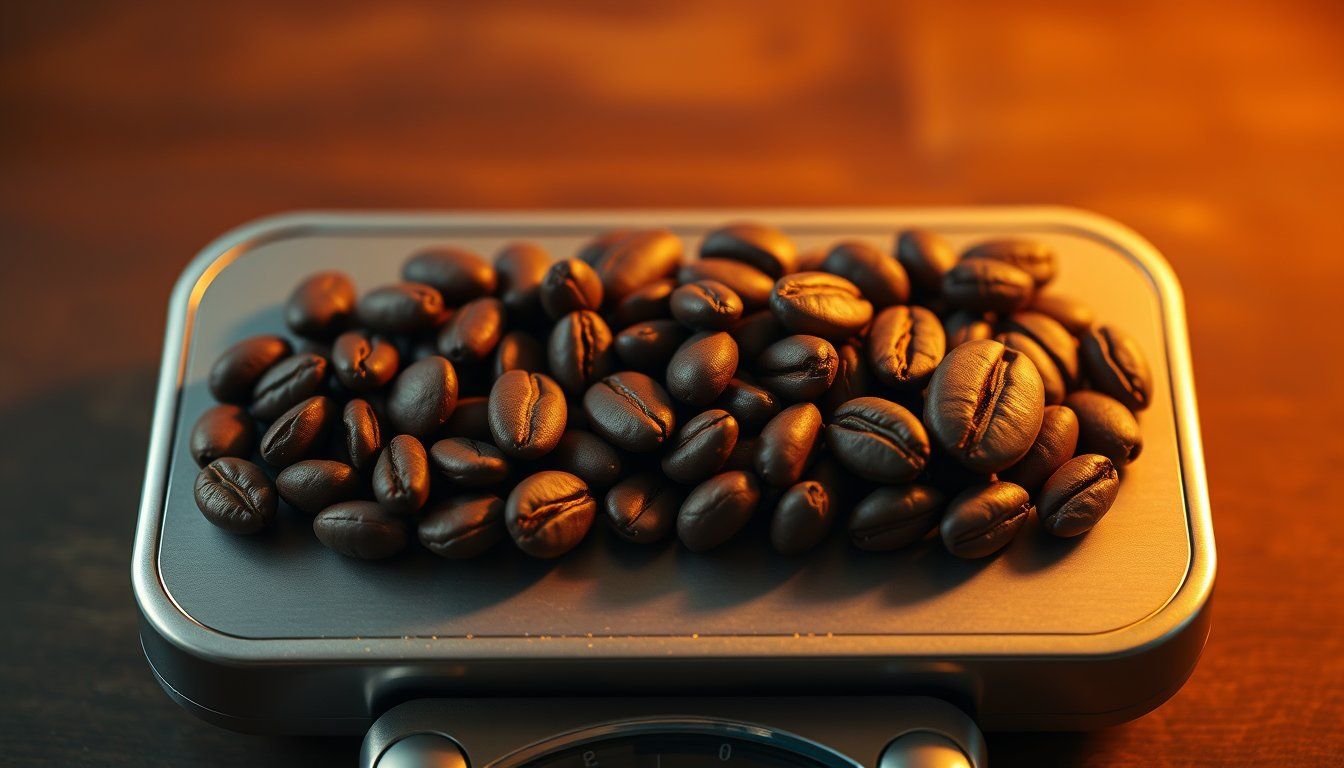
When you measure your coffee by weight using a scale, you’re ensuring a consistent amount of coffee solids, regardless of the roast level. Since caffeine content remains relatively stable during roasting, measuring by weight means both light and dark roasts will provide similar caffeine levels. Pair your scale with a quality coffee maker like the Keurig K-Duo to ensure consistent brewing alongside accurate measurement.
Dark Roast vs Light Roast Caffeine: Quick Comparison
| Measurement Method | Light Roast | Dark Roast | Winner |
|---|---|---|---|
| By Weight (20g) | Similar | Similar | Roughly even |
| By Volume (1 scoop) | More caffeine | Less caffeine | Light roast |
| Bean Density | Higher | Lower | Light roast |
Calculating Your Optimal Caffeine Dose
Once you know how to measure your coffee, the next step is working out how much caffeine suits you.
Factors Influencing Caffeine Content
Several factors influence the caffeine content in your cup:
Bean Type and Caffeine Levels
Robusta beans contain nearly twice the caffeine of Arabica beans, making bean variety a more significant factor than roast level.
How Grind Size Affects Caffeine
Finer grinds expose more surface area, leading to quicker caffeine extraction during the brewing process.
Brewing Method Impact on Caffeine
Methods like espresso extract caffeine more efficiently than drip brewing. For espresso lovers seeking precise caffeine control, machines like the Bosch 300 Series offer programmable shot volumes.
Tip: Experiment with different brewing methods and grind sizes to find the balance of flavor and caffeine you prefer. Once you’ve selected your preferred light roast beans, having the best coffee equipment for making light roast shine helps bring out their more delicate flavors.
Personalizing Your Caffeine Intake
To determine your optimal caffeine dose:
- Know Your Limits: The FDA cites 400 mg of caffeine a day as an amount not generally linked to negative effects for most healthy adults.
- Measure Accurately: Use a scale to measure your coffee beans, ensuring consistency.
- Adjust Accordingly: Depending on your sensitivity to caffeine, adjust the amount of coffee you use to brew your cup.
Tip: Keep a journal of your coffee consumption and its effects to better understand your personal caffeine tolerance. Freshness matters too—while roast date affects caffeine extraction less than measurement method, peak flavor occurs about 2 weeks post-roast.
Flavor Strength vs. Caffeine
Dark roasts taste bolder, but that doesn’t mean they contain more caffeine. The stronger taste comes from roasting reactions such as the Maillard reaction, not from caffeine.
Tip: Don’t equate strong flavor with high caffeine; always consider the roast level and measurement method.
Key Takeaways
- Measure by Weight: For consistent caffeine content, always measure your coffee beans by weight.
- Understand Your Beans: Recognize that light roast beans are denser and may contain more caffeine per bean than dark roast beans.
- Personalize Your Brew: Adjust your coffee measurements based on your caffeine sensitivity and desired flavor profile.
- Consider Measurement Method: Remember that volume measurements favor light roasts for higher caffeine, while weight measurements make them roughly equal.
FAQ
Q: Does the brewing method affect caffeine content?
A: Yes, brewing methods like espresso extract caffeine more efficiently than methods like French press or drip brewing due to pressure and extraction time.
Q: Are there significant caffeine differences between Arabica and Robusta beans?
A: Yes. Robusta beans contain nearly twice the caffeine of Arabica beans, making bean type more important than roast level.
Q: How can I ensure a consistent caffeine intake?
A: Measure your coffee beans by weight and use the same brewing method consistently for predictable results.
Q: Does grind size influence caffeine extraction?
A: Yes, finer grinds expose more surface area, leading to quicker caffeine extraction during brewing.
Q: Is it true that dark roast coffee has less caffeine than light roast?
A: When measured by volume, dark roast can have less caffeine due to its lower density. However, when measured by weight, the caffeine content is similar.
Q: How much more caffeine does light roast have than dark roast?
A: When measured by weight, the difference in caffeine between light and dark roast is small. When measured by volume (scoops), light roast delivers more caffeine because the denser beans pack more coffee into each scoop.
Conclusion
Knowing how roast level, measuring method and caffeine relate lets you brew to your own preferences. Measuring by weight gives you a cup that’s consistent from day to day.
To put this into practice, weigh 15-20g of your favorite light roast beans on a simple kitchen scale, note how you feel over a week, then adjust by 1-2 grams at a time until the dose suits you.