Why the roast date matters
Brewing a $50 bag of rare Colombian Geisha 12 hours after roasting is a quick way to get a sour, flat cup that tastes nothing like the tasting notes. The roast date isn’t only about how fresh your coffee is. It also tells you when to brew it.
Brewing immediately after roasting doesn’t give the best flavor, because the beans need time to degas.
The Degassing Process: A Crucial Waiting Period
Degassing time varies by roast level: light roasts need 5-10 days, medium roasts 3-5 days, and dark roasts 1-3 days after roasting. This resting period allows CO₂ to escape, preventing sour flavors and ensuring balanced extraction for a better-tasting cup.
When coffee beans are roasted, they undergo complex chemical transformations, releasing carbon dioxide (CO₂) as a byproduct. This CO₂ remains trapped within the beans and continues to escape over time—a process known as degassing. Freshly roasted beans release a large share of their CO₂ in the first days after roasting.
Brewing coffee too soon after roasting can result in excessive CO₂ interfering with extraction, leading to sour or unbalanced flavors. Letting the beans rest first gives a more balanced cup.
Why CO₂ Affects Your Brew
During extraction, trapped carbon dioxide creates channels in the coffee bed, causing water to flow unevenly. This results in under-extraction of some particles and over-extraction of others, producing that characteristic sour, unbalanced taste.
Signs Your Coffee Needs More Rest
Watch for these signs that your beans need more rest:
- Excessive bloom during brewing (coffee bubbles aggressively)
- Sour or sharp flavors dominating the cup
- One-way valve on coffee bag remains puffed or tight
- Overwhelming, almost astringent aroma when you open the bag
Tip: Let your beans rest for a few days after roasting before you brew.
Optimal Coffee Bean Degassing Time by Roast Level
Knowing when to brew coffee after roasting depends on the roast level. The ideal coffee bean degassing time varies depending on how deeply the beans were roasted:
- Light Roasts (5-10 days): Require a longer degassing period to develop their nuanced flavors. The denser structure of light roasts traps more CO₂, necessitating extended rest for those delicate, fruity notes to emerge properly.
- Medium Roasts (3-5 days): Generally reach peak flavor between 3-5 days post-roast. This balanced roast level offers the most flexibility in brewing timelines while still delivering consistent results.
- Dark Roasts (1-3 days): Often ready to brew after 1-3 days, as they degas more rapidly. The expanded cellular structure from longer roasting allows CO₂ to escape more quickly.
Understanding these timelines is especially important if you’re roasting your own beans—learn more in our guide to creating your perfect roast profile using a $40 popcorn maker.
| Roast Level | Degassing Time | Best For | Flavor Profile When Ready |
|---|---|---|---|
| Light | 5-10 days | Pour over, drip | Bright, complex, fruity |
| Medium | 3-5 days | Most methods | Balanced, sweet, nutty |
| Dark | 1-3 days | Espresso, French press | Bold, rich, chocolatey |
These timeframes reflect common roaster guidance; the right rest for a given coffee varies.
The Role of Roasters: Transparency in Roast Dates
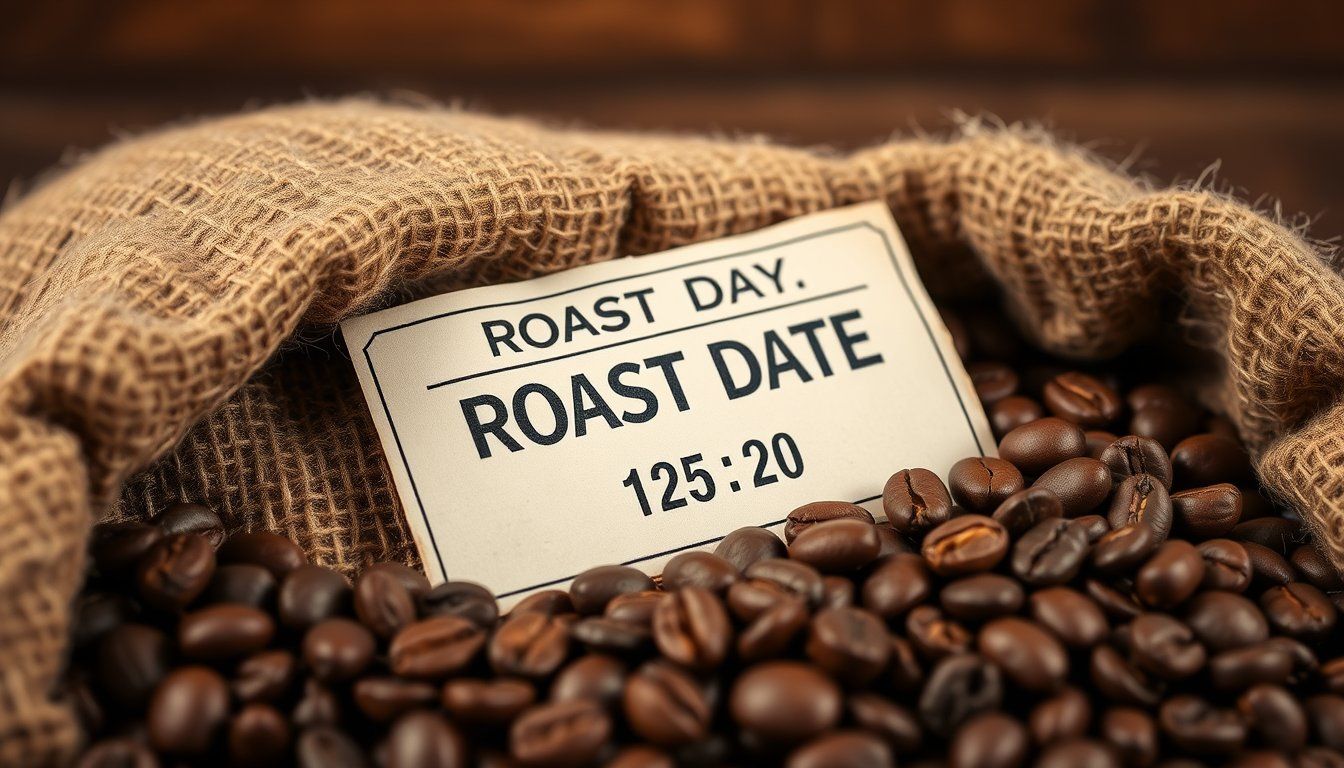
Most specialty roasters print a roast date on the bag, but some coffee still ships with only a best-by date or none at all.
Understanding the degassing process highlights the importance of knowing the roast date to determine the optimal brewing window. Without it, you can’t time your brewing to the best window.
Tip: Seek out roasters who provide clear roast dates, allowing you to make informed decisions about when to brew.
Storage Practices to Maintain Freshness
Good storage keeps beans fresh while they rest:
- Airtight Containers: Prevent exposure to oxygen, which can accelerate staling. However, during the first 24-48 hours, beans benefit from containers with one-way valves that allow CO₂ to escape without letting oxygen in.
- Cool, Dark Places: Protect beans from heat and light, both of which can degrade quality. Ideal storage temperature is between 50-70°F (10-21°C).
- Avoid Refrigeration: Storing coffee in the fridge can introduce moisture and unwanted odors that compromise the careful rest period your beans need.
Tip: An opaque, airtight container helps beans stay fresh longer.
What resting does to flavor
Coffee brewed just hours after roasting can smell wonderful yet taste flat and sour. The beans need time to degas to reach their full flavor potential.
Give the same coffee five days of rest and the difference can be remarkable: same origin, same roast profile, but now with notes of caramel, red apple and brown sugar. A few days of rest is often all it takes.
How to Test if Your Coffee Has Degassed Enough
Not sure if your beans have rested long enough? Try these simple tests:
The Bloom Test
When brewing with methods like pour-over or French press, observe the initial bloom when hot water first contacts the grounds. A moderate, sustained bloom indicates proper degassing. If the bed foams up violently, it needs more time. If there’s barely any bloom, your beans may be past their prime.
One-Way Valve Observation
Coffee bags with one-way valves provide visual cues. During the first few days, the bag will feel tight or puffed from CO₂ buildup. As degassing progresses, the bag should soften. When it maintains a relatively flat appearance, your beans are approaching readiness.
The Sniff Test
Open your coffee bag and take a deep whiff. Freshly roasted beans that need more time will have an almost overwhelming, sharp aroma. Properly degassed coffee presents a balanced, inviting smell where you can distinguish individual notes rather than just intense “coffeeness.”
Best Brewing Equipment for Fresh Coffee
Once your beans have properly degassed, the right equipment helps. For hands-off morning brewing, the KRUPS Essential Brewer is SCA-certified and brews at a consistent temperature.
If you need a reliable workhorse that can handle various roast levels, the Braun BrewSense offers good temperature control during brewing. Different brewing methods also require different grind sizes—check out our complete guide to coffee grinders to optimize your setup.
Fresh isn’t always best
It’s counterintuitive, but in the world of coffee, “fresh” doesn’t necessarily mean “immediate.” Letting beans rest after roasting often gives a noticeably better cup.
Actionable Takeaways
- Check Roast Dates: Always look for the roast date on packaging to plan your brewing schedule according to proper coffee bean degassing time.
- Understand Degassing: Recognize that waiting a few days post-roast can lead to a more balanced and flavorful cup.
- Store Properly: Use airtight containers and keep beans in a cool, dark place to maintain freshness during the post-roast waiting period.
- Match Method to Roast: Adjust your brewing technique based on roast level for optimal extraction.
FAQs
How can I tell if my coffee has degassed enough?
A good indicator is the bloom during brewing. If your coffee produces a large, aggressive bloom, it may still be degassing. A moderate bloom suggests it’s ready to brew. The one-way valve test and sniff test described above also provide reliable guidance.
Does grinding affect the degassing process?
Yes, grinding dramatically accelerates degassing. It’s best to grind beans just before brewing to preserve freshness. Ground coffee can lose its optimal flavor window within hours rather than days.
Can I speed up the degassing process?
Degassing is a natural process that shouldn’t be rushed. Allowing beans to rest naturally ensures optimal flavor development. Some commercial roasters use pressure or vacuum techniques, but these aren’t practical or recommended for home use.
Do all brewing methods require the same degassing period?
While the degassing period is generally consistent, methods like espresso may benefit from slightly longer resting times to ensure even extraction. Espresso’s high pressure makes it particularly sensitive to excess CO₂.
Is it safe to drink coffee immediately after roasting?
Yes, it’s safe, but the flavor may be underdeveloped and unbalanced. Waiting allows the beans to reach their full potential without any health concerns.
Does coffee ever get too old after roasting?
Yes, after 4-6 weeks depending on storage conditions, coffee begins losing its distinctive characteristics. Even with perfect storage, most specialty coffee is best consumed within 3-4 weeks of roasting for optimal flavor.
Should I buy coffee with or without a roast date?
Always choose roast-dated coffee. Without a roast date, you have no way to determine if you’re in the optimal brewing window or if the coffee is already stale. Roast dates are a mark of quality-focused roasters.
Can I freeze coffee to preserve freshness during degassing?
Not recommended during degassing, as freezing can trap CO₂ and create moisture issues when thawing. However, freezing is acceptable for long-term storage after the initial rest period if you’ve purchased more than you can consume within a month.
How long does coffee degassing last?
The active degassing period where CO₂ significantly affects brewing typically lasts 1-2 weeks depending on roast level. However, beans continue releasing small amounts of CO₂ throughout their life, which is why even month-old coffee will produce some bloom.
Conclusion
Knowing how long to rest your beans helps you brew each bag at its best.
Check your current bag’s roast date. If it’s been 3-7 days, most coffees are in a good window to brew.