Brewing light roast well takes three essentials: a quality burr grinder for consistent particle size, a precise brewing device (V60, Chemex, or AeroPress), and a temperature-controlled kettle. These tools help extract the delicate, complex flavors locked in light roast’s denser bean structure without over-extraction or bitterness.
A light roast keeps more of the character of where the coffee was grown: the soil, the altitude, the variety and the processing.
It is also the roast style most often brewed poorly at home. Many home brewers use equipment and settings suited to dark roasts, then wonder why their $20/lb Ethiopian tastes sour and thin. The right equipment fixes most of that.
Quick pick
Fellow Stagg EKG Pro: light roasts often need water at 205 °F or hotter, and this kettle holds a set temperature.
Essential Light Roast Coffee Equipment: Quick List
Here’s what you need to brew light roast coffee properly:
- Burr grinder (conical preferred) for consistent particle size
- Gooseneck kettle with temperature control (195-205°F range)
- Pour-over device (V60, Chemex, or Kalita Wave)
- Digital scale for precise measurements
- Quality filters designed for your brewing method
Why Light Roasts Are Different
Why Light Roasts Need Different Equipment
Light roast beans spend less time in the roaster, so they keep much of their original cellular structure.
Light roast beans present unique challenges:
- Denser structure – Light roasts are denser and less porous than dark roasts, so they resist extraction and need more precise brewing
- Complex flavor notes – Citrus, florals, and stone fruits that speak of origin
- Delicate characteristics – Easily overwhelmed by aggressive brewing
- Higher acidity – Requires precise extraction to balance brightness with sweetness
These flavors can easily be masked by under-extraction or flattened by equipment that runs too hot or extracts unevenly.
The Grinder: Essential Light Roast Coffee Equipment
Burr Grinders
If you buy just one piece of light roast coffee equipment, make it a quality burr grinder. For light roasts, this becomes even more critical. The dense structure of these beans demands a grinder that can create uniform particles without generating excessive heat—heat that can drive off volatile aroma compounds.
What’s the best grinder for light roast? For most home brewers, a good conical burr grinder is the sweet spot. Conical burr grinders are a practical, affordable way to grind light roasts evenly.
For a comprehensive comparison of burr grinders across all price points, see our guide to the best coffee grinders for every budget and brewing method.
The Importance of Grind Consistency
Light roasts are unforgiving of inconsistent extraction. A grind with too many fines will over-extract, bringing bitter notes that mask the coffee’s inherent sweetness. Too many boulders, and you’ll under-extract, leaving the cup thin and sour. Everything else in the brew depends on getting the grind right.
Temperature Control
One of the most overlooked pieces of light roast coffee equipment is a temperature-controlled gooseneck kettle. Light roasts need hotter water than their dark roast cousins—typically 200-205°F versus 195-200°F for darker beans. This higher temperature is necessary to penetrate the denser cellular structure and extract the complex flavors locked within.
A gooseneck spout gives the pour control needed for even saturation, while built-in temperature control keeps you in the right range each time. This matters more for light roasts because a few degrees can shift a cup from balanced to sour.
How to Brew Light Roast Coffee: Brewing Methods
| Brewing Method | Best For | Extraction Time | Difficulty |
|---|---|---|---|
| V60 | Clarity & precision | 2-3 min | Medium |
| Chemex | Clean, bright cups | 3-4 min | Medium |
| French Press | Body & complexity | 6-7 min | Easy |
| AeroPress | Versatility | 1-2 min | Easy |
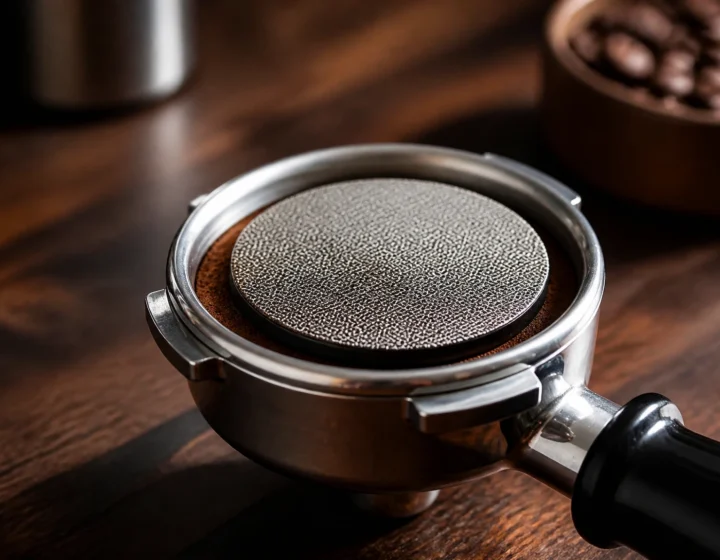
| Espresso | Intensity | 25-35 sec | Hard |
Pour-Over Equipment
V60
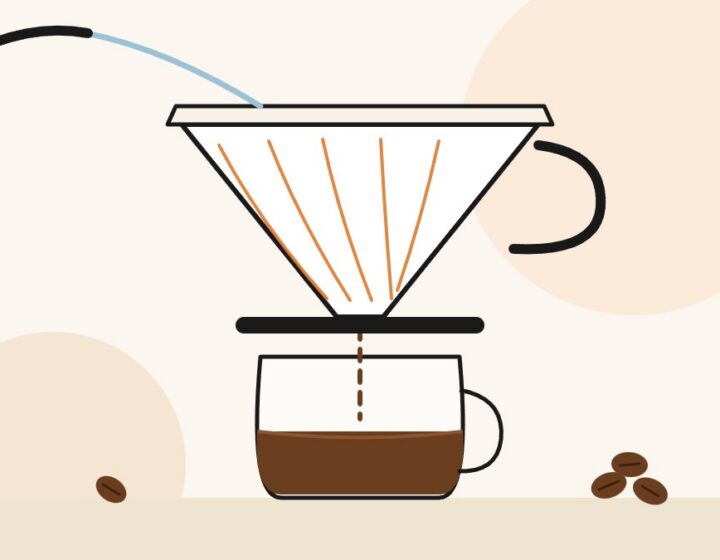
The Hario V60, with its spiral ridges and large drainage hole, is a favorite for light roasts. Its design allows for precise control over flow rate and extraction time—crucial elements when working with these dense, complex beans.
A good starting recipe for a light roast Ethiopian Yirgacheffe in a V60 is a 1:16 coffee-to-water ratio and a total brew time of 2:30 to 3:00 minutes.
Chemex
If clarity is what you want from a light roast, the Chemex is a strong choice. Its thick filters remove oils and fine particles that might muddy the cup, letting the coffee’s brightness come through.
Kalita Wave
The flat-bottom design of the Kalita Wave provides more even extraction than its cone-shaped cousins, making it particularly forgiving for those still learning how to brew light roast coffee. The three small holes regulate flow rate, preventing over-extraction that can turn a delicate coffee bitter and harsh.
Immersion Methods
French Press
While often associated with darker roasts, a French press works well with light roast coffee. The key lies in extending the brewing time—sometimes up to six or seven minutes compared to the standard four minutes for dark roasts—giving the dense beans time to extract fully.
AeroPress
The AeroPress is useful for its versatility. For light roasts, many brewers use the inverted method with a longer steeping time of 2-2.5 minutes, followed by a gentle press. This extended contact time helps compensate for the bean’s density while maintaining the AeroPress’s signature clean cup profile.
Cold Brew Equipment
Light Roast Cold Brew
Cold brew might seem a poor fit for light roast coffee, but it can bring out a different side of its flavor. The extended extraction time—sometimes 18 to 24 hours compared to the 12-16 hours typical for dark roasts—gives even a stubborn light roast time to extract fully.
The key with light roast cold brew lies in the grind—slightly finer than traditional cold brew—and the ratio. A 1:8 ratio rather than the typical 1:10 is a good place to start, compensating for the light roast’s resistance to extraction.
Espresso Machines for Light Roast
Espresso and Drip Machines
Pulling espresso from light roast beans is a demanding test of both equipment and skill. These beans require precise temperature control—often at the higher end of the espresso range at 200-203°F—and often benefit from longer extraction times of 30-35 seconds rather than the traditional 25-30 seconds.
For automatic drip brewing, the Technivorm Moccamaster maintains precise temperature control throughout the brew cycle. The KRUPS Essential Brewer is SCA-certified and a convenient option for light roasts.
Adjust your expectations: light roast espresso won’t have the syrupy body of a traditional Italian roast, but it offers complexity and brightness when properly extracted.
Light Roast Extraction Tips
Water Quality Matters More
Light roasts reveal water quality issues more readily than dark roasts. The delicate flavor notes can be masked or distorted by chlorine, excessive minerals, or poor pH balance. Use filtered water with a TDS (total dissolved solids) of 75-150 ppm for best results.
Weigh Your Coffee and Water
A digital scale becomes essential light roast brewing gear. Measuring coffee by volume leads to inconsistent extraction because light roast beans are smaller and denser than dark roasts. Always weigh both your coffee and water to maintain consistent ratios.
Common Light Roast Brewing Mistakes
- Grinding too coarse – Results in sour, under-extracted coffee that tastes thin and acidic
- Water too cool – Fails to penetrate the dense bean structure, leaving flavors locked inside
- Insufficient brew time – Rushing extraction produces weak, disappointing cups
- Wrong coffee-to-water ratio – Using ratios designed for dark roast leads to imbalanced extraction
Complete Light Roast Coffee Equipment Setup
Starter Setup ($150-250)
- Manual burr grinder with consistent grind settings
- V60 or AeroPress for brewing
- Simple gooseneck kettle (non-electric with thermometer)
- Basic digital scale
- Quality paper filters
A complete light roast setup doesn’t have to be expensive. Check out our best budget coffee equipment for wallet-friendly options that deliver excellent results.
Mid-Range Setup ($300-500)
- Electric burr grinder with precise settings
- Chemex or Kalita Wave
- Temperature-controlled electric gooseneck kettle
- Precision scale with timer function
- Multiple brewing devices for experimentation
Premium Setup ($500+)
- High-end conical burr grinder with minimal retention
- Espresso machine with PID temperature control
- Premium pour-over equipment collection
- Professional-grade scale
- Water filtration system
If you’re brewing multiple cups daily, our guide to the best coffee equipment for people who drink 6+ cups daily will help you scale up without sacrificing quality.
Gear That Helps Light Roasts
Light roasts are denser and harder to extract, so these tools help most.
- Fellow Stagg EKG Pro: lets you brew at 205 °F or higher, which light roasts often need.
- Baratza Encore ESP: grinds finer and more evenly than a blade grinder.
- Hario V60 plastic dripper: a fast-draining cone that suits bright, delicate coffees.
- Hario V60 Drip Scale: keeps ratios steady while you adjust grind and temperature.
Frequently Asked Questions
Do I need different equipment for light vs dark roast?
While you can use the same basic equipment, light roasts benefit significantly from specific tools: a grinder capable of very consistent particle size, a temperature-controlled kettle for hotter water (200-205°F), and brewing methods that allow for precise control over extraction time. Dark roasts are more forgiving of equipment variations.
What grind size for light roast coffee?
Light roasts typically require a slightly finer grind than dark roasts for the same brewing method. For pour-over, aim for a medium-fine grind similar to table salt. For French press, use medium rather than coarse. The denser bean structure needs more surface area exposure for proper extraction.
Why is my light roast coffee sour?
Sourness in light roast coffee indicates under-extraction. Common causes include water temperature too low (below 195°F), grind too coarse, insufficient brew time, or incorrect coffee-to-water ratio. Increase your water temperature to 200-205°F, grind slightly finer, and ensure adequate contact time between water and coffee.
Conclusion
A well-brewed light roast Kenyan can taste of black currant and jasmine, and the right equipment is what gets those flavors from the farm into your cup.
Start with three essentials: a quality burr grinder, a V60 or AeroPress, and a temperature-controlled kettle. Budget roughly $150-300 for the set.
Note: Equipment recommendations current as of 2026