The most overrated coffee gadgets are single-serve pod machines (expensive, wasteful, poor quality), blade grinders (uneven grinding ruins extraction), high-end espresso machines for casual users (complex and underutilized), coffee subscription boxes (lack of control, novelty over quality), and smart coffee makers (tech features that don’t improve brewing). Better alternatives cost less and make superior coffee.
Plenty of kitchens have a $400 espresso machine used exactly three times, a smart coffee maker that’s been “connecting to WiFi” for a year, and a subscription box full of beans nobody will drink. Plenty of coffee gadgets promise a better morning and end up gathering dust.
Some of these gadgets solve problems most people don’t have. Here are the five most overrated, and what to buy instead.
Quick pick
Baratza Encore ESP: a burr grinder is the upgrade that is not overrated.
1. Single-Serve Pod Machines (The Convenience Trap)
Why They’re Overrated
Single-serve pod machines have dominated kitchen counters for years with the promise of café-quality coffee at the touch of a button. What they usually deliver is mediocre coffee and a lot of plastic waste.
The fundamental problem isn’t just the astronomical cost per cup (often several times the price per pound of quality whole beans) or the fact that most pods contain coffee roasted long before you brew it.
The coffee in pods is pre-ground and often stale by the time you brew it. You pay premium prices for ordinary coffee to save a minute or two, and billions of used pods end up in landfills.
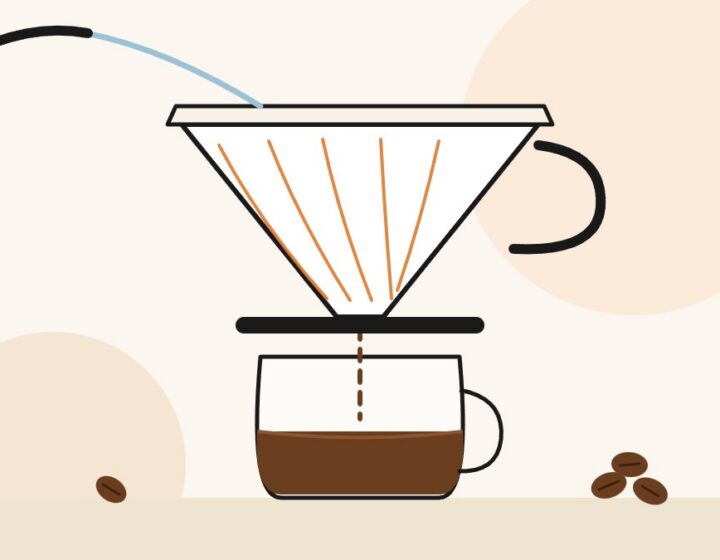
What to Buy Instead: A Simple Pour-Over Setup
Invest in a quality pour-over dripper like the Hario V60 ($25) or Chemex ($45). Pair it with a decent burr grinder (more on that later), and you’ll have noticeably better coffee. And if you’re working with a tight budget, our budget coffee equipment guide shows how to build a complete setup for under $100.
Pour-over tastes better, and the brewing only takes a few minutes. This approach works even for decaf drinkers—our guide to making decaf that doesn’t suck proves that brewing method matters more than the bean type.
Machines like the Ninja Pods & Grounds Single-Serve try to bridge the convenience gap by accepting both pods and grounds, but they still can’t overcome the fundamental quality issues.
2. Blade Grinders (One of the Most Overrated Coffee Gadgets)
Why They’re Overrated
Blade grinders are cheap and make plenty of noise, but they do a poor job of grinding coffee.
Spinning blades chop coffee into a mix of powder, chunks, and everything in between. The result is uneven extraction that gives you bitter and sour notes in the same cup.
Friction from the blades also warms the grounds before you even start brewing.
What to Buy Instead: Entry-Level Burr Grinder
Upgrade to a true burr grinder such as the Baratza Encore Coffee Grinder ($170). Burr grinders crush coffee beans between two surfaces, creating uniform particle size that extracts evenly. For beginner coffee equipment, a burr grinder is actually more important than an expensive brewing device. Yes, it’s more expensive than a $20 blade grinder, but even very good beans taste uneven when ground with blades.
3. Expensive Espresso Machines for Casual Users (The Status Symbol Trap)
Why They’re Overrated
High-end espresso machines promise café drinks at home and look impressive on the counter. But beginners often get better coffee from a $40 AeroPress after one tutorial than from a $2,000 machine after a week of practice.
Many people who buy these machines mainly make milk drinks that mask the espresso.
At $3,000 or more, that’s an expensive milk steamer. Good espresso takes practice and precision, and without technique you’ll pull sour or bitter shots.
Take the Bosch 300 Series fully automatic espresso machine, for instance. It’s beautifully engineered with one-touch milk drinks and automated everything—but owner reviews show beginners can still struggle with inconsistent drinks until they understand variables like grind size. The automation helps, but it can’t replace knowledge.
| Feature | $3,000 Espresso Machine | $30 Moka Pot |
|---|---|---|
| Coffee Quality (for beginners) | Mediocre without skills | Consistently good |
| Learning Curve | Months of practice | One YouTube video |
| Maintenance | Complex, expensive | Rinse and dry |
| Counter Space | Massive footprint | Fits in drawer |
| Price Per Cup (5 years) | $2.50+ | $0.15 |
What to Buy Instead: Moka Pot or AeroPress
For concentrated coffee that actually tastes good, try a Bialetti Moka Pot ($30) or an AeroPress Original Coffee Press ($40). The Moka pot produces strong, espresso-style coffee with minimal fuss, while the AeroPress gives you control over strength and flavor with a short learning curve.
If you want milk drinks, add a French press or a simple milk frother.
4. Coffee Subscription Boxes (Too Little Control)
Why They’re Overrated
Coffee subscription boxes sound like a dream: exotic beans from around the world, delivered to your door, expanding your palate with each shipment. In reality, they’re often a monthly reminder of how much money you can spend on coffee you don’t actually enjoy.
The fundamental flaw is the lack of control. You’re at the mercy of someone else’s taste preferences, and coffee taste is deeply personal.
A bright, fruity Ethiopian might be someone else’s favorite and not yours. Many subscription services also favor novelty, so you may get beans from many countries before you learn what you actually like.
What to Buy Instead: Direct Relationships with Local Roasters
Find 2-3 local roasters whose style matches your preferences. Build relationships with them. Learn about their sourcing, their roasting philosophy, their seasonal offerings. You’ll get fresher coffee, better prices, and actual knowledge instead of just exotic origin stories.
Many local roasters offer their own subscription services with the advantage of being able to customize based on your feedback. You’re also supporting a local business.
5. Smart Coffee Makers (The Solution Looking for a Problem)
Why They’re Overrated
Smart coffee makers assume that adding WiFi and an app makes coffee better. They promise to learn your preferences and start brewing before you wake up, but they prioritize connectivity over brewing quality.
The reality? You pay a premium for features many owners stop using. The apps are often weak, connectivity can be spotty, and if the company stops supporting the app, you’re left with an expensive basic coffee maker. Smart coffee makers that need app updates before first use, or whose apps stop being supported, are a common complaint in owner reviews.
Worst of all, these machines often prioritize tech features over brewing fundamentals. Remote control doesn’t help if the machine can’t hold proper water temperature or wet the grounds evenly.
What to Buy Instead: A Quality Automatic Drip Maker
Focus on what actually matters: proper water temperature, even saturation, and consistent brewing. Consider the Bonavita 8-Cup Coffee Maker ($150). It’s SCA certified, heats water to the ideal 200°F, and brews in under six minutes. No apps or Wi-Fi, just reliably good coffee. For a step up with more capacity, the Technivorm Moccamaster offers the same brewing standard in a 10-cup format, without any app.
If you want your coffee ready when you wake up, use the timer function that many basic coffee makers already have.
What actually makes good coffee
It’s Not About the Gadgets
Great coffee comes down to three things: quality beans, proper grinding, and correct ratios. Everything else is just marketing.
No single gadget will fix your coffee. The answer is simpler: buy good beans, grind them properly, use the right ratio of coffee to water, and pay attention to what you’re doing.
Building Your Essential Kit
Instead of chasing the latest gadget, here’s the best coffee equipment for your essential kit—and if you want to avoid complicated equipment, check out our guide to the best coffee equipment for people who hate complicated gadgets for straightforward options:
- A quality burr grinder
- A simple brewing method you’ll actually use consistently
- A kitchen scale for proper ratios
- Fresh, quality beans from a roaster you trust
- A basic understanding of brewing principles
This setup costs less than many single gadgets and makes better coffee.
Quick Reference: Skip These, Buy These Instead
Skip: Single-serve pod machines → Buy: Hario V60 pour-over ($25)
Skip: Blade grinder → Buy: Baratza Encore burr grinder ($170)
Skip: $3,000 espresso machine → Buy: Bialetti Moka Pot ($30) or AeroPress ($40)
Skip: Random subscription boxes → Buy: Build relationships with 2-3 local roasters
Skip: Smart coffee maker → Buy: Bonavita SCA-certified drip maker ($150)
Total cost of “Skip” items: $4,000+
Total cost of “Buy” items: $265-440
Quality difference: Large
Frequently Asked Questions
What coffee gadgets are actually worth buying?
A burr grinder, simple pour-over dripper or French press, and a kitchen scale are the only essentials. The coffee gadgets worth buying are simple, affordable, and focused on fundamentals rather than features. These three items cost under $250 total and will make better coffee than most $500+ gadgets.
Are pod coffee makers really that bad?
Pod machines produce mediocre coffee at a high price per pound, use pre-ground beans that are often stale, and create significant plastic waste. A pour-over setup makes better coffee in the same time for pennies per cup.
Do I need an expensive espresso machine at home?
Unless you’re committed to learning barista techniques and will use it daily, no. Moka pots ($30) or AeroPress ($40) produce excellent concentrated coffee without the $3,000+ investment or steep learning curve.
Conclusion
Much of the coffee gear on the market is more about novelty than flavor. A $30 pour-over setup and good technique can make excellent coffee.
Pick one gadget from your kitchen that you haven’t used in three months. Sell it, donate it, or gift it. Use that freed-up counter space and mental energy to actually learn your pour-over technique. A well-made cheap cup beats an expensive gadget gathering dust.
Before you buy that next coffee contraption, ask yourself: will this actually make my coffee better, or am I just hoping it will make me feel like someone who drinks better coffee? It’s worth knowing the difference.
Save your money, buy better beans, and pay attention to how you brew.