Quick pick
Baratza Encore ESP: the grinder is the foundation of a home coffee bar, and this one covers both filter and espresso.
The Short Answer
A home coffee bar setup requires three essentials: a quality burr grinder ($30-200), a brewing method that matches your taste (French press, pour-over, or espresso machine), and a digital scale for precision. Start with a $150-300 budget for a basic setup including a hand grinder, French press, scale, and fresh beans. You can add brewing methods and upgrade equipment later.
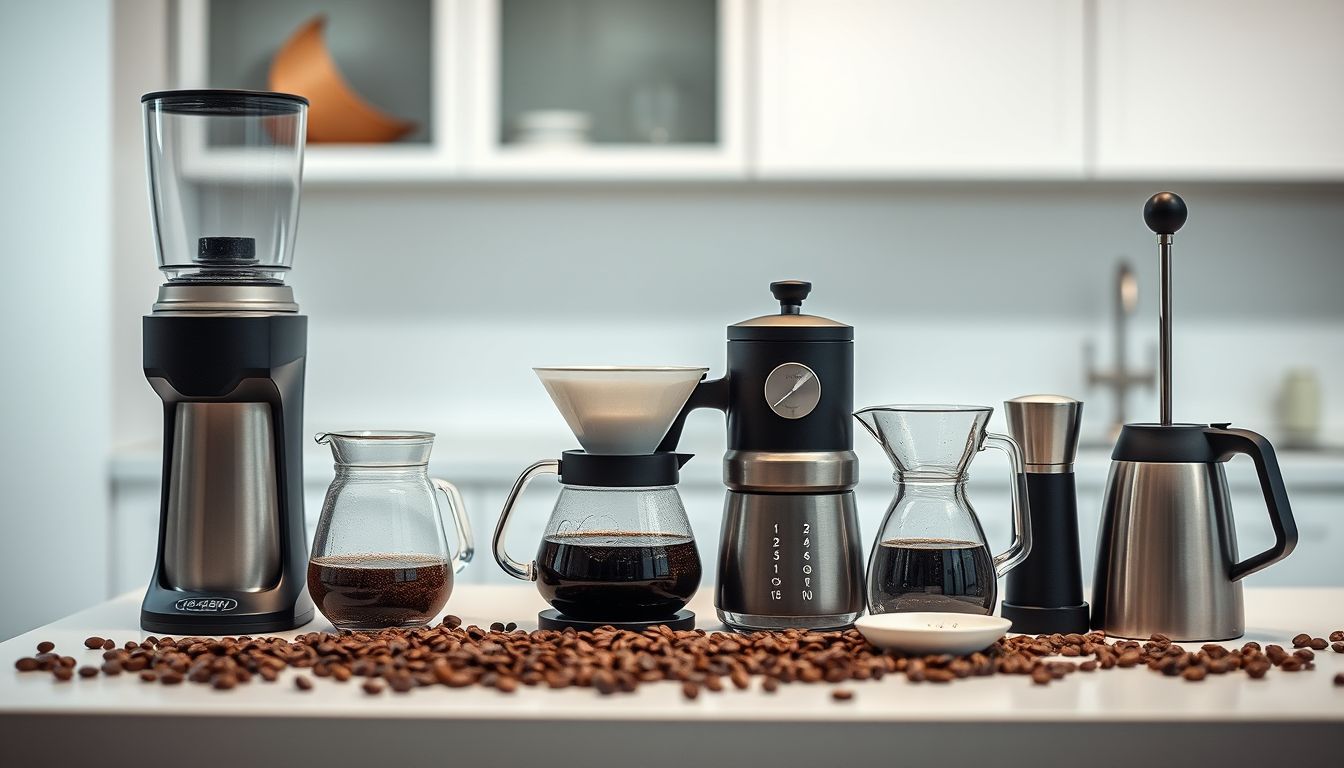
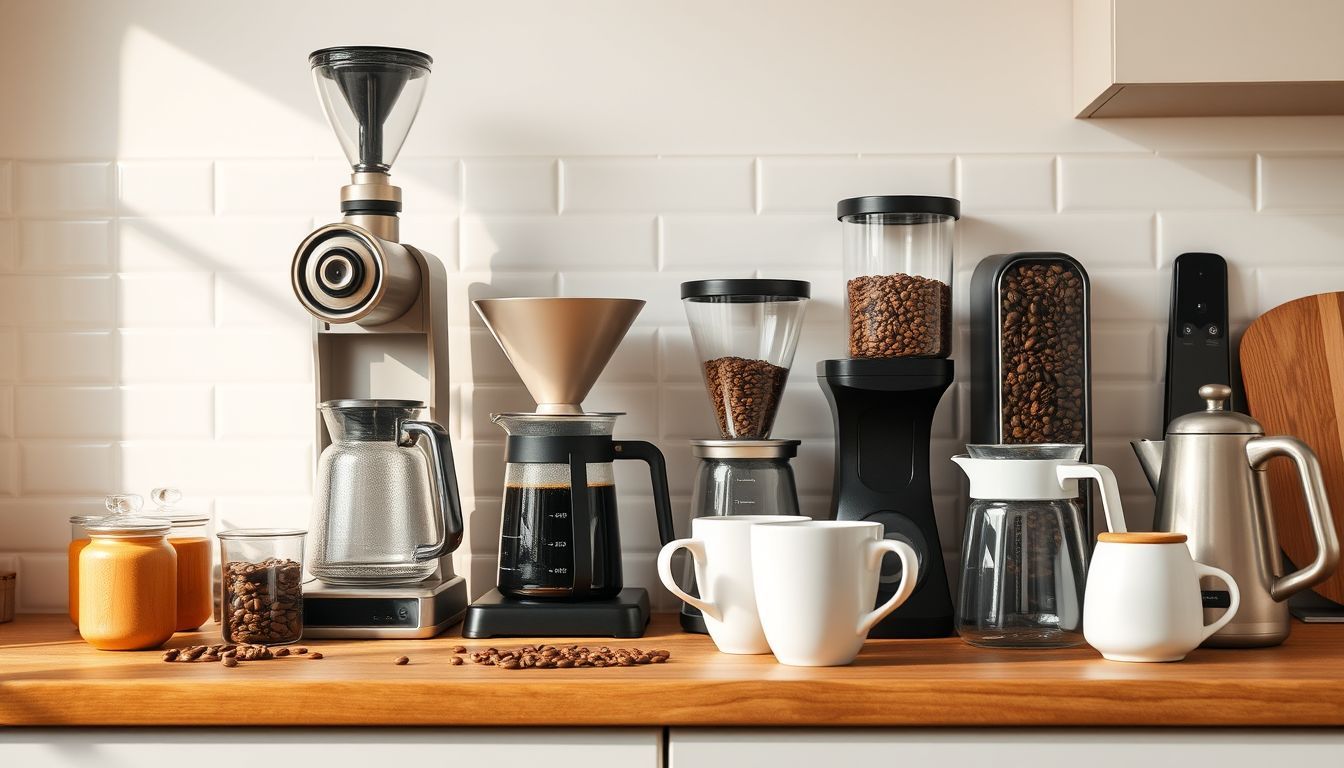
A well-planned home coffee bar makes it easier to brew good coffee consistently in your own kitchen.
Going from instant coffee to café-quality drinks at home is more achievable than most people think, and you don’t need to buy everything at once.
A home coffee bar doesn’t need to copy a commercial café. It should fit your space and budget and make coffee you enjoy.
Fitting a Coffee Bar Into Your Space
This guide covers setups for everything from a small apartment corner to a kitchen island. Plan your home coffee bar setup around the space you have.
Defining Your Coffee Goals
What Kind of Coffee Do You Want?
Before looking at equipment and budgets, decide what you want from your home coffee bar. Are you:
- The Espresso Enthusiast: Mostly after lattes and cappuccinos?
- The Pour-Over Purist: Wanting to explore single-origin flavors?
- The Convenience Seeker: Looking for café-quality with minimal fuss?
- The Everything Explorer: Excited to try every brewing method?
Your answer will shape everything from your equipment choices to your space requirements. There’s no wrong answer.
Budget
A home coffee bar setup typically falls into one of three budget ranges:
- Budget-conscious: $150–300
- Mid-range: $300–800
- Investment level: $800–2000+
You can start small and add to your setup over time. Many home baristas start with a $30 hand grinder and a French press.
What Every Home Coffee Bar Setup Needs
1. A Quality Grinder (Your Most Important Investment)
Invest in the best grinder you can afford. Spending $500 on an espresso machine and then using pre-ground coffee is one of the most common home-barista mistakes.
Grind consistency matters more than almost any other variable, which is why a $30 hand burr grinder will usually beat a blade grinder at any price. Start with the grinder, not the brewer.
Budget Options ($30–80)
Hand grinders: Good for pour-over. They take some effort but produce very good results. We recommend the JavaPresse Manual Coffee Grinder as an affordable, precise burr option.
Mid-Range ($80–200)
Quality electric burr grinders with multiple settings. An electric countertop grinder saves effort and gives consistent results.
Investment Level ($200+)
Professional-grade grinders with precise adjustments. Built to last, and worth it if you’re serious about coffee.
2. A Reliable Scale
A digital scale takes the guesswork out of brewing by letting you measure coffee and water precisely.
- Look for 0.1 g accuracy, timer function, and a large platform.
- A popular choice: the Hario V60 Drip Scale , which has a built-in timer and works for pour-over and espresso.
3. Quality Water
Brewed coffee is almost all water, so water quality has a big effect on taste. If your tap water tastes off, your coffee will too.
Solutions:
- Basic carbon filter pitcher
- Under-sink filtration system
- Bottled water
Start simple—even a basic filter makes a noticeable difference.
4. Proper Storage
Oxygen, light, heat and moisture all make coffee go stale faster.
Storage essentials:
- Airtight containers
- Opaque materials (no clear glass)
- Right-sized containers (minimize air space)
A well-reviewed option is the AirScape Planetary Design Coffee Canister for its patented plunger lid that removes excess oxygen and keeps beans fresh for weeks.
Choosing Your Brewing Method
Here’s how the main brewing methods compare.
Brewing Method Comparison
| Method | Difficulty | Time | Cost | Best For |
|---|---|---|---|---|
| French Press | Easy | 4 min | $50-150 | Bold, full-bodied coffee; beginners |
| Pour-Over | Medium | 3-4 min | $100-200 | Highlighting bean flavors; hobbyists |
| Espresso | Hard | 2-3 min | $450-1000+ | Milk drinks; serious enthusiasts |
| Cold Brew | Easy | 12-24 hrs | $20-80 | Make-ahead convenience; summer |
| Drip/Auto | Easy | 5-10 min | $100-300 | Morning routine; multiple cups |
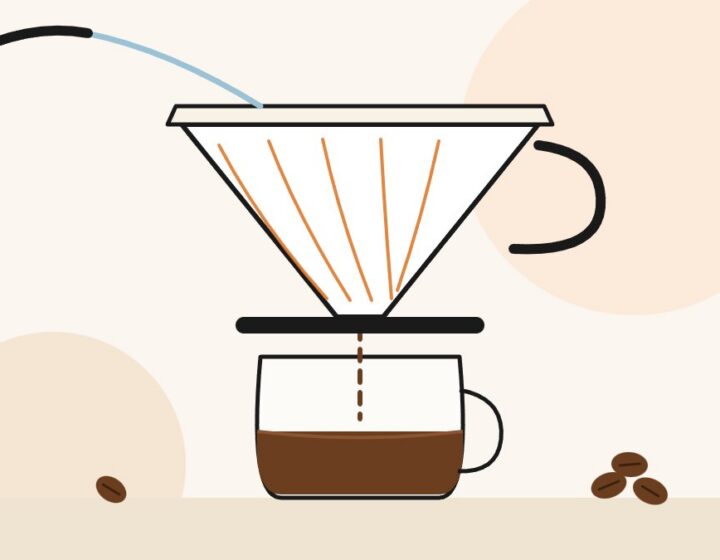
Pour-Over
Why start here:
- Relatively inexpensive ($20–60 for dripper + filters)
- Highlights the flavors of different beans
- Great for exploring single-origin beans
Essential equipment:
- Pour-over dripper: We recommend the Hario V60 Ceramic Coffee Dripper for its flow control and heat retention.
- Gooseneck kettle for water control
- Filters
- Your scale and grinder
If you prefer an electric option with less hands-on time, the Braun BrewSense 12 Cup Coffee Maker offers consistent results with programmable convenience.
Total investment: $100–200 for a complete setup
French Press
Why it suits beginners:
- Very forgiving
- Full-bodied, rich coffee
- Minimal learning curve
What you need:
- Quality French press: Check out the Bodum Brazil French Press Coffee Maker for durable borosilicate glass and stainless steel plunger.
- Coarse-grinding capability
- Timer (or use your phone)
Total investment: $50–150
Espresso
The trade-off:
Espresso is the most challenging and expensive brewing method.
What makes espresso different:
You’re forcing hot water through finely-ground coffee at high pressure. This requires precision equipment and practice, and there is a real learning curve.
Budget breakdown:
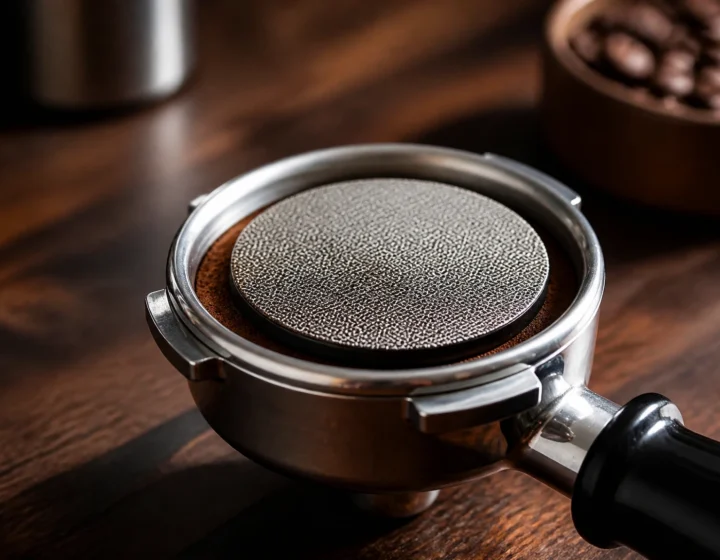
- Entry-level espresso machine: A strong starter pick is the Breville Barista Express Espresso Machine for its integrated grinder and PID control.
- Quality grinder (essential for espresso)
- Accessories (tamper, cups, milk pitcher)
Total investment: $450–1000+ to start
Cold Brew
Why it’s worth trying:
- Make concentrate that lasts a week
- Smooth, low-acid coffee
- Perfect for hot weather
For more on this method, see our complete cold brew guide with step-by-step instructions and flavor variations.
Equipment needed:
- Cold brew maker or large jar
- Fine-mesh strainer
- Patience (12–24 hour brew time)
Total investment: $20–80
Coffee Station Ideas for Any Space
A coffee station doesn’t need to be elaborate. Here are ideas for small and large spaces.
Small Space Solutions
The Apartment Corner Setup:
- Rolling cart for mobility
- Vertical storage for supplies
- Compact, multi-use equipment
- Wall-mounted organizers for filters and accessories
You can create a functional home coffee bar in as little as 2 square feet. A small corner of your countertop or a rolling cart works perfectly for beginner coffee bar guide essentials like a grinder, brewing device, and scale.
Kitchen Island Setup
If you have the space:
- Dedicated counter area for equipment
- Built-in storage for supplies
- Good lighting for precision work
- Water access nearby
Shopping List by Budget
Before you buy, read our 2026 coffee equipment buyer’s guide for detailed reviews and comparison charts.
Budget-Conscious Starter ($150–250)
Essential equipment:
- JavaPresse Manual Coffee Grinder
- French press: Bodum Brazil French Press
- Hario V60 Drip Scale
- Water filter pitcher
- AirScape Planetary Design Coffee Canister
- Quality beans
Mid-Range Explorer ($400–600)
Step-up equipment:
- Burr grinder ($120–200)
- Hario V60 Ceramic Coffee Dripper + gooseneck kettle
- French press
- Scale with timer
- Water filtration system
Consider a programmable option like the SHARDOR 8-Cup Thermal Carafe Coffee Maker for morning convenience.
Investment Level ($800–1200)
Premium equipment:
- High-end burr grinder
- Breville Barista Express Espresso Machine
- Pour-over setup
- Professional scale
- Advanced water filtration
Pour-over fans who want an automatic brewer should consider the Technivorm Moccamaster, which is SCAA-certified and built to last.
Essential Accessories
The Must-Haves
- Measuring spoons (for quick ratios)
- Cleaning supplies (backflush detergent, brushes)
- Quality cups (double-walled glasses retain heat)
- Notebook for recipes and tasting notes
The Nice-to-Haves
- Milk frother for lattes without an espresso machine
- Thermometer for precision (195-205°F is ideal)
- Tamping mat for espresso
- Knock box for spent espresso pucks
For more accessory ideas, see our guide to coffee equipment that makes you look like a pro barista.
Sourcing Your Beans
Local roasters: Support your community and get expert advice.
Online subscriptions: Convenience and variety delivered to your door.
What to look for on the bag:
- Roast date: Should be within 2-4 weeks (not a “best by” date)
- Origin: Single-origin for pour-over, blends work great for espresso
- Roast level: Start with medium roasts before exploring light or dark
- Processing method: Washed for cleaner flavors, natural for fruity notes
Beginner-friendly origins to try:
Ethiopian Yirgacheffe (bright, floral), Colombian Supremo (balanced, approachable), or Brazilian Santos (nutty, chocolatey).
Learning the Basics: A Rough Timeline
Week 1–2: Master your chosen method’s basic technique.
Week 3–4: Experiment with grind size and coffee-to-water ratios.
Month 2: Try different coffee origins and roast levels.
Month 3: Add a second brewing method to expand your skills.
Maintenance: Keeping Your Setup Running Smoothly
Daily: Rinse equipment thoroughly, wipe down surfaces and steam wands.
Weekly: Deep clean brewing equipment, descale if needed (check manufacturer guidelines).
Monthly: Deep clean grinder burrs, check equipment for wear, replace filters.
Troubleshooting Common Issues
| Problem | Likely Cause | Solution |
|---|---|---|
| Sour, acidic coffee | Under-extraction | Grind finer, use hotter water (195-205°F), or increase brew time |
| Bitter, harsh coffee | Over-extraction | Grind coarser, use cooler water, or decrease brew time |
| Weak, watery coffee | Ratio too low | Use more coffee (try 1:15 coffee-to-water ratio) |
| Inconsistent results | Measurement variations | Always use your scale, measure water temperature, time your brews |
Common Mistakes to Avoid
Watch out for these common mistakes.
Using old, stale beans
Coffee peaks 7-21 days after roasting. If your bag doesn’t have a roast date, it may be months old.
Skipping the scale
“I just eyeball it” is the fastest way to inconsistent coffee. An inexpensive scale fixes this.
Cleaning only when you remember
Coffee oils go rancid. Clean your equipment after every use for the best-tasting coffee.
Buying the machine before the grinder
A $200 grinder with a $50 brewer usually beats a $50 grinder with a $200 brewer.
Giving up after the first bad cup
Your first attempts won’t be perfect, and that’s normal. Adjust one variable at a time until you dial it in.
What Not to Buy
Blade grinders ($15-30)
They create uneven grounds and generate heat that damages flavor. Always choose burr grinders.
Clear glass storage containers
Light degrades coffee quickly. Stick with opaque, airtight containers.
Cheap manual espresso makers
Espresso requires 9 bars of pressure. $50 manual devices rarely achieve this consistently.
Coffee of the month clubs without roast dates
If they won’t tell you when it was roasted, it’s probably old.
Fancy milk pitchers before you need them
Master your brewing method first, then add accessories.
Frequently Asked Questions About Home Coffee Bar Setups
How much space do I need for a home coffee bar?
You can create a functional home coffee bar in as little as 2 square feet. A small corner of your countertop or a rolling cart works perfectly for beginner coffee bar guide essentials like a grinder, brewing device, and scale.
What’s the most important piece of home barista equipment?
The grinder is your most critical investment. Fresh-ground coffee makes a bigger difference than any brewing device. Start with at least a $30 hand grinder rather than pre-ground coffee.
Can I build a good home coffee bar for under $200?
Yes. A budget-conscious setup with a hand grinder, French press, scale and quality beans costs $150-250 and makes very good coffee.
How long does it take to learn home barista skills?
Most people get comfortable with their first brewing method within a couple of weeks. You’ll start making good coffee immediately, but you’ll refine your technique over the first month.
Next Steps
Here’s a simple plan for getting started.
This week:
- Decide your primary brewing method (French press for ease, pour-over for flavor exploration, espresso for the challenge)
- Order your essential home barista equipment (grinder, scale, brewer)
- Find a local roaster or order fresh beans online
Next week:
- Set up your coffee station (even a small corner works)
- Follow our brew guides for your chosen method
- Take notes on what you like and what to adjust
This month:
- Dial in your recipe
- Start exploring different coffee origins
- Consider adding a second brewing method
The best home coffee bar is the one you’ll actually use every morning.
Questions about building your home coffee bar? Leave them in the comments.
All product recommendations current as of January 2026