Quick pick
AeroPress: a low-cost brewer that can stand in for a daily café coffee.
The Short Answer
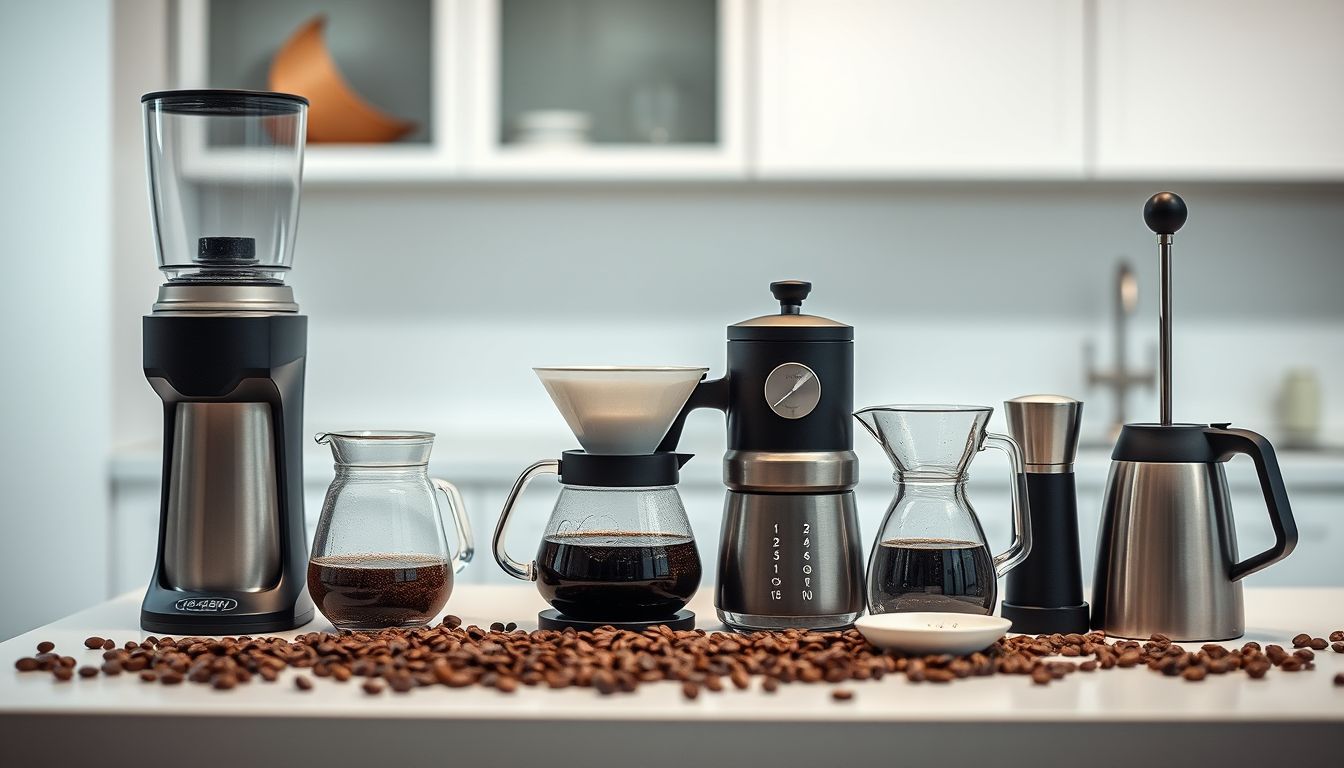
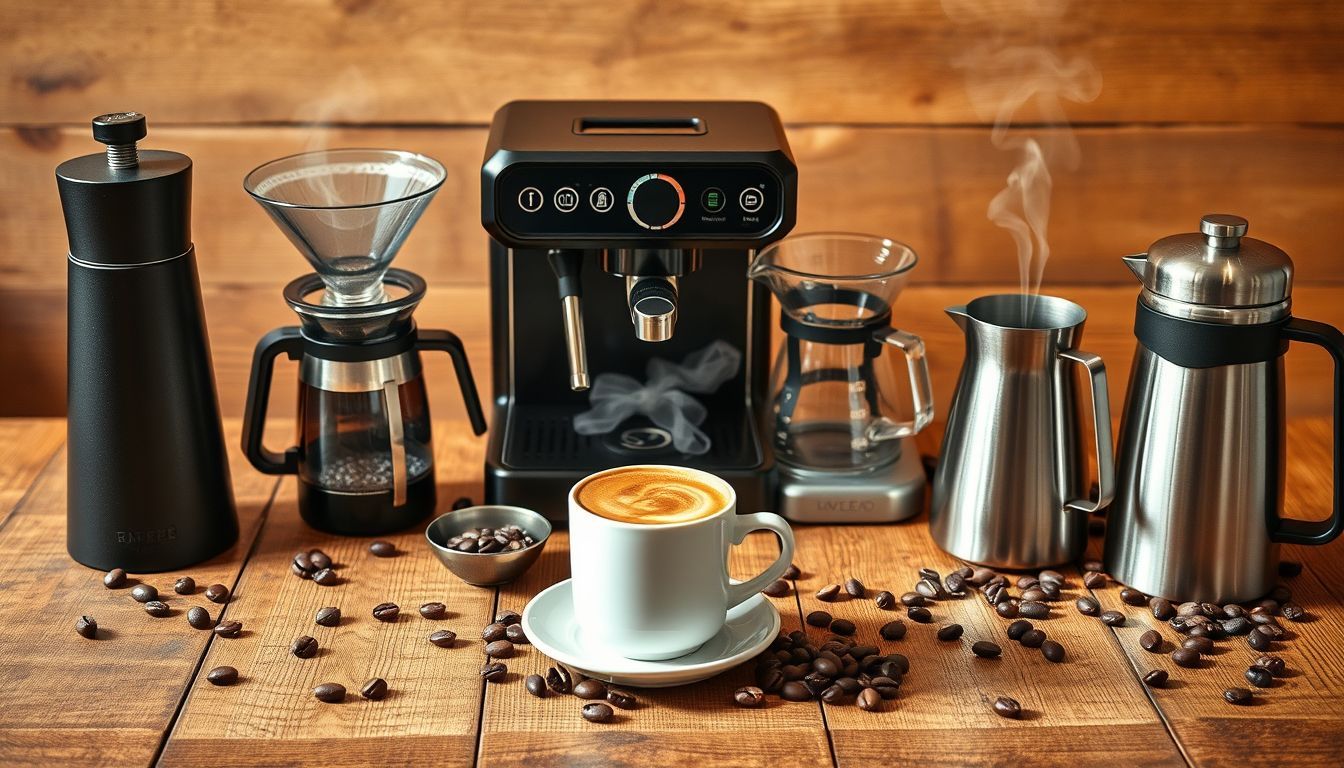
The best home coffee equipment investments are: (1) burr grinder ($150-350), (2) pour-over setup ($95-225), (3) espresso machine ($200-800), (4) French press ($30-120), (5) milk frother ($15-150), (6) coffee scale ($20-80), and (7) thermal carafe ($25-50). Each can pay for itself within months if it replaces regular $4-6 café visits.
At $4-6 per specialty drink, a daily café habit adds up to roughly $1,500-2,000 a year.
Investing in home coffee equipment doesn’t mean giving up cafés. It usually means you appreciate good coffee more everywhere, and you stop spending money on mediocre cups.
Keep supporting your local coffee shop, but you can also make very good coffee at home without spending much. Here are 7 coffee brewing tools that can pay for themselves through saved coffee shop visits.
What Home Coffee Saves
If you’re buying one specialty coffee drink per day at $5, that’s $1,825 per year. Even if you cut that in half and make coffee at home just 50% of the time, you’d save over $900 annually.
Compare that with $300-500 for quality home equipment that lasts for years.
| Frequency | Cost Per Drink | Annual Spend | 50% Home Brewing Saves |
|---|---|---|---|
| Daily | $5 | $1,825 | $912 |
| 5x/week | $5 | $1,300 | $650 |
| 3x/week | $6 | $936 | $468 |
Even moderate café visitors save enough in 6-12 months to cover quality home coffee equipment.
1. A Quality Burr Grinder
Why Burr Grinders Are Essential
Fresh grinding is one of the most important steps in brewing good coffee at home. Ground coffee starts losing aroma quickly, within minutes to hours, which is why grinding just before brewing makes such a difference.
A quality burr grinder ensures consistent particle size and preserves oils and aromatics. Based on independent reviews and owner feedback, these three offer strong results for the price.
Investment Breakdown
- Entry-level: Baratza Encore ESP Coffee Grinder ($150–170)
- Mid-range: Baratza Virtuoso+ ($250–280)
- Splurge: Fellow Ode ($300–350)
Expected lifespan: 5-10 years with proper care
Not sure which grinder fits your brewing style? Check out our complete guide to the best coffee grinders for detailed comparisons across every budget and brewing method.
The Payoff
If this grinder helps you skip just 2 coffee shop visits per week, it pays for itself in 3–4 months. You’ll also taste the difference right away: much of the flavor in specialty coffee starts with the grind.
Tip: Buy whole beans from local roasters and grind just before brewing.
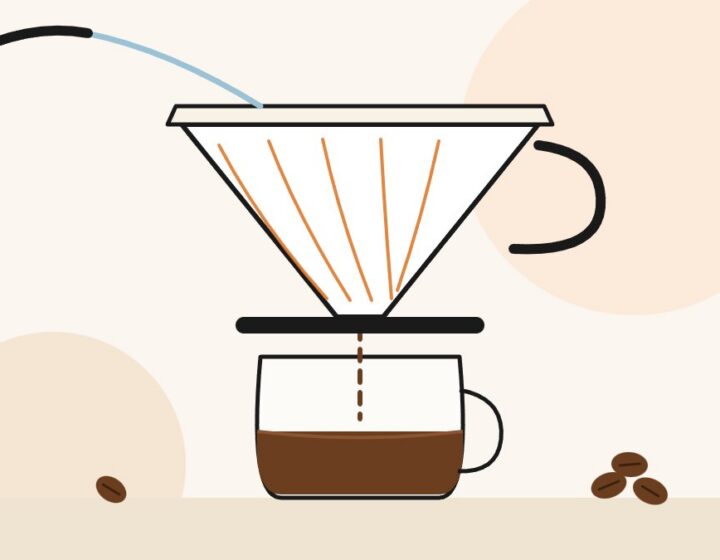
2. Pour-Over Setup
Why It Works
Pour-over brewing gives you control over extraction, using the same method specialty coffee shops use. It is more forgiving than espresso, and most people get good results after some practice.
The Investment
- V60 starter kit: $30–50
- Chemex: $45–65
- Kalita Wave: $25–40
- Gooseneck kettle: $40–80
- Digital scale: $20–40
Total investment: $95–225
Expected lifespan: 10+ years for glass/ceramic brewers; kettles last 3-5 years
Tip: start with a classic like the Bodum 34 Oz Pour Over Coffee Maker and a narrow-spout kettle to dial in your pour.

The Payoff
This setup can replicate most pour-over drinks you’d pay $4–6 for at a café. Skip 20–30 coffee shop visits, and you’ve covered your costs.
The Appeal
Many people enjoy the slow, hands-on process of pour-over brewing, and the results are very good once you learn the basics.
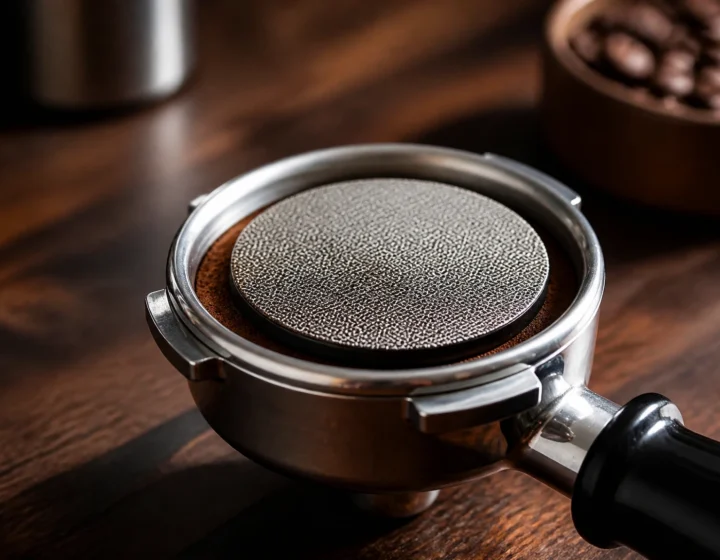
3. Espresso Machine
Why It’s Worth It
If you drink a latte or cappuccino daily, an espresso machine can save you the most. Yes, the upfront cost is higher, but the per-cup savings are substantial.
The Investment
- Entry-level: Breville Bambino ($200–250)
- Mid-range: Breville Barista Express ($400–500)
- Serious upgrade: Rancilio Silvia ($700–800)
Expected lifespan: 5-8 years with regular maintenance
The Payoff
Let’s say you buy 5 lattes per week at $5 each. That’s $1,300 per year. Even a $500 machine pays for itself in less than 5 months.
The Learning Curve
Espresso has a steeper learning curve than other brewing methods, but don’t let that scare you. With a good grinder and daily practice, most people pull decent shots within a few weeks.
Start with pre-ground espresso, focus on your milk-steaming technique (or explore other coffee equipment that makes you look like a pro barista), and gradually work on dialing in your shots.

4. French Press
Why It’s Underrated
The French press is easy to overlook, but it produces rich, full-bodied coffee with minimal fuss. Stainless steel models are also very durable.
The Investment
- Quality French press: $30–60
- Premium option: Secura French Press Coffee Maker, 34-Ounce, 304 Stainless Steel ($80–120)
Expected lifespan: 8-15 years for stainless steel models
The Payoff
At this price point, you’ll break even after skipping just 6–12 coffee shop visits. It’s probably the fastest payback on this entire list.
Best For
- Busy mornings
- Making multiple cups
- Coffee lovers who prefer body over brightness
- Anyone who wants great coffee without the fuss
5. Milk Frother
Why It Helps
If you love milk-based drinks but aren’t ready for an espresso machine, a quality milk frother bridges the gap.
The Investment
- Handheld: PowerLix Powerful Handheld Milk Frother ($15–30)
- French press method: $0 (use your existing press)
- Electric frother: $50–150
Expected lifespan: 2-3 years for handheld; 4-6 years for electric
The Payoff
Combine this with strong coffee from any brewing method, and you can make café-style lattes and cappuccinos at home. A homemade latte costs a fraction of the $5+ you would pay at a café.
Tip: Heat your milk to 150°F (not boiling) and start with a 1:1 ratio of coffee to milk.
6. Coffee Scale: Precision That Matters
Why Precision Pays Off
Consistent ratios are how you repeat a good cup. A scale eliminates the guesswork.
The Investment
- Basic digital scale: $20–30
- Coffee-specific scale with timer: BAGAIL BASICS Coffee Scale with Timer ($40–80)
Expected lifespan: 3-5 years with regular use
The Payoff
This might seem like a small thing, but consistency is what separates good home coffee from great home coffee. When your coffee tastes as good as the café’s, you’ll naturally make it at home more often—helping you save money on coffee without sacrificing quality.
A Starting Ratio
Start with 1:15 to 1:17 coffee-to-water ratio (1 g coffee to 15–17 g water) and adjust to your taste.
7. Thermal Carafe
Why Temperature Matters
Nothing ruins good coffee like reheating it or letting it sit on a hot plate. A thermal carafe keeps your coffee hot without cooking it.
The Investment
- GiNT 34 Oz Thermal Coffee Carafe (1 L)
- High-quality travel mug: $25–50
Expected lifespan: 5-10 years
The Payoff
When your home coffee stays hot for hours, you’re less tempted to grab coffee on the go. Plus, you can make a larger batch and enjoy multiple cups.
Bonus Benefit
It also helps when entertaining: make a full batch of pour-over coffee for guests without worrying about it getting cold or bitter.
Making the Investment Work for You
Start Small, Build Up
Building your home coffee equipment collection doesn’t require buying everything at once. Begin with a grinder or French press, then add equipment as your skills grow.
Prioritize Quality Over Quantity
One good burr grinder beats five cheap gadgets. This is equipment that should last years, so buy the best you can afford for items you’ll use daily.
Learn as You Go
Watch YouTube tutorials, join r/coffee, or take a brewing class. Good guidance helps you get more from your equipment.
Where to Buy Your Coffee Equipment
Amazon: Best for price comparison and fast shipping (the links in this article go to the products we recommend)
Specialty Coffee Retailers: Often include better warranties and expert advice for home coffee equipment
Certified Refurbished: Many brands sell like-new refurbished equipment at a meaningful discount
Prices accurate as of March 2026. Most retailers offer 30-day return policies if you’re not satisfied with your purchase.
Benefits Beyond Money
Convenience
No more rushing out the door or waiting in line. Your coffee is ready when you are.
Customization
Dial in your exact preferences – strength, temperature, milk ratio – without explaining it to a barista.
Quality Time
Making coffee becomes part of your morning routine rather than a transaction.
Skill Building
Learning to brew good coffee is rewarding, and it is a skill you can share with guests.
Frequently Asked Questions
How much can I save with home coffee equipment?
If you buy one $5 specialty drink daily, that’s $1,825/year. Making coffee at home 50% of the time saves $912 annually, easily covering a $300-500 equipment investment in 4-7 months.
What’s the most important piece of home coffee equipment?
A burr grinder is the single most impactful investment. Fresh-ground coffee keeps aromatics that pre-ground coffee loses quickly, which improves the results of any brewing method.
Is an espresso machine worth it for home use?
For daily latte drinkers, usually yes. At 5 lattes/week ($5 each), you spend $1,300 yearly. A $500 espresso machine pays for itself in under 5 months.
Where to Start
Home coffee equipment saves money, and it also gives you control over how your coffee tastes.
Start with one piece of home coffee equipment that excites you most. Maybe it’s a grinder because you’re tired of stale coffee, or perhaps a pour-over setup because you love the ritual.
Pick your first investment from the equipment above, and check our brewing guides for step-by-step help with it.