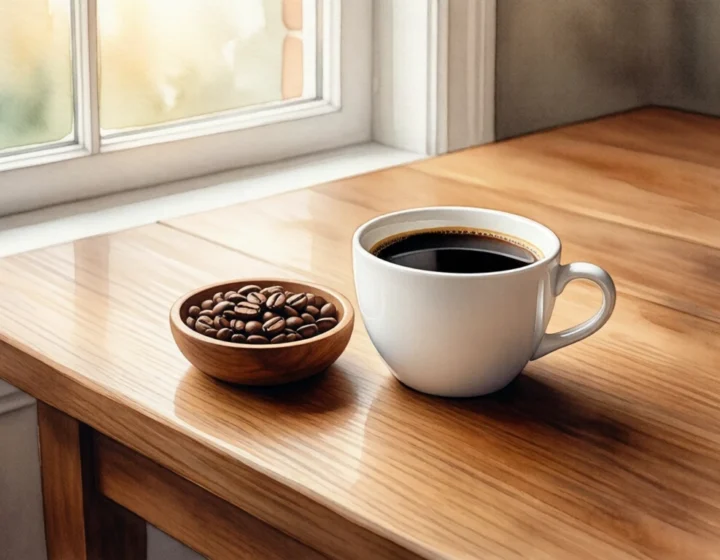
A kitchen with almost no counter space can still make good coffee, without falling back on instant coffee or daily café visits.
This guide focuses on coffee equipment for small apartments that owners consistently say works in real-world cramped conditions.
The short answer: the best coffee equipment for small apartments includes the AeroPress (compact, versatile brewing), a hand grinder like the JavaPresse (minimal storage), and a stovetop gooseneck kettle. Together they take up less space than a toaster and can fit in a single kitchen drawer.
The aim is not to shrink a full café setup but to choose a few pieces that make the biggest difference to flavor for the space they take.
Quick pick
AeroPress: a small brewer that stores in a drawer instead of taking over the counter.
Ground Rules for Small-Space Coffee
Before choosing gear, keep these rules in mind:
- Multi-purpose or minimal storage: Every piece should either serve multiple purposes or store compactly
- Quality over quantity: One exceptional brewing method trumps three mediocre ones cluttering your cabinets
- Easy cleaning: If it can’t be cleaned easily in a tiny sink, it doesn’t belong in your kitchen
A common mistake is trying to fit a full coffee shop into a kitchenette.
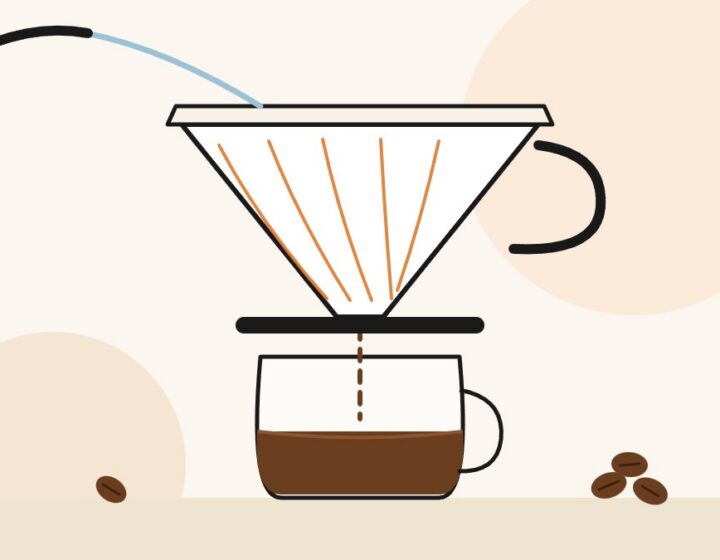
Some of the world’s most celebrated coffee comes from the simplest methods. Pour-over drippers like the V60 are staples at competitions such as the World Brewers Cup, and they require minimal equipment.
Best Coffee Equipment for Small Apartments: Brewing Methods
The AeroPress
If you could only keep one brewing device in a 400-square-foot studio, the AeroPress Original Coffee Press would be a strong choice. This small plastic brewer is very versatile, producing everything from espresso-style concentrate to clean, bright filter coffee.
The AeroPress suits small spaces because it combines a footprint smaller than most coffee mugs with a lot of versatility. For a quick morning cup, use the standard method, about two minutes. For something stronger, use the inverted method with a longer steep. It can also make cold-brew concentrate.
Reviewers and coffee professionals consistently rank the AeroPress among the best brewers for flavor relative to the space it takes up.
Cleanup is simple: press out the puck and rinse. There are no complex parts or hard-to-reach crevices.
Pour-Over: V60 and Chemex
The Hario V60 Ceramic Coffee Dripper makes excellent coffee and stores anywhere a coffee mug fits. Pour-over methods represent some of the most compact coffee brewing methods available, requiring only a dripper, filters, and hot water. The plastic versions are durable and travel-friendly, making them ideal for those who prefer simple coffee equipment without complicated features.
For those with slightly more storage flexibility, the Chemex Pour-Over Glass Coffeemaker is similarly compact and looks good left out on the counter. Its thick filters produce a very clean cup that suits single-origin coffees.
Both methods require only a gooseneck kettle and a grinder as companions, which keeps the whole setup small.
French Press: The Reliable Workhorse
Don’t dismiss the French press as old-fashioned. Modern versions like the Bodum Brazil French Press Coffee Maker come in compact single-serving sizes perfect for small households, and the brewing process requires zero counter space beyond the press itself. Look for double-wall insulated models—they’ll keep your coffee hot longer and protect your counter from heat.
The French press also works as a cold-brew maker, milk frother and tea steeper, which makes it especially useful in a small kitchen.
Choosing a Grinder
Hand Grinders
Hand-grinding before your first cup sounds like a lot to ask, but manual grinders like the JavaPresse Manual Stainless Steel Coffee Grinder offer good grind quality for the price and take up very little storage space.
Owner reviews regularly praise the JavaPresse’s consistency for its price, though serious espresso still calls for a higher-end grinder.
There is a learning curve and it takes some effort, but hand grinders are quiet, which matters with thin apartment walls early in the morning.
Hand grinders are also durable and portable. Moving apartments becomes easier when your grinder fits in a backpack.
Compact Electric Options
If you would rather not grind by hand, the Baratza Encore Coffee Grinder is a popular compact electric grinder. Its relatively small footprint and reliable performance make it apartment-friendly, though you’ll need to factor in permanent counter space or very accessible storage. For a comparison of hand and electric grinders, see our guide to coffee grinders for every budget.
For the aesthetically minded, the Fellow Ode offers similar performance in a more design-conscious package, though it costs considerably more.
Kettles
Electric Gooseneck Kettles
A quality gooseneck kettle is important for pour-over brewing. The Fellow Stagg EKG offers precise temperature control in a relatively compact package, while the Bonavita variable temperature kettle provides similar functionality at a lower price.
Look for kettles with small base footprints and consider models that can disappear into cabinets when not in use. Only leave a kettle on the counter if you use it every day.
Stovetop Solutions
If counter space is very tight, a stovetop gooseneck kettle is a good option. The Hario Buono is a classic choice that stores easily and works on any heat source. You’ll sacrifice temperature precision, but you free up counter space for food prep. If you’re drawn to traditional brewing methods that suit small spaces, Turkish coffee makers offer an authentic alternative that requires even less equipment.
Storage Strategies That Actually Work
Use Vertical Space
In small apartments, the only direction to expand is up. Wall-mounted shelving can house your brewing equipment, while magnetic strips can secure metal tools. Consider a slim rolling cart that tucks away when not in use—it provides a dedicated coffee station without permanently claiming precious floor space.
Multi-Purpose Furniture
Furniture can do double duty. An ottoman with internal storage can house your coffee supplies, while a kitchen cart serves as both prep space and storage solution.
Cleaning Coffee Equipment in a Tiny Sink
With a small sink, easy cleaning matters:
- AeroPress: 30-second rinse, zero scrubbing
- V60/Chemex: Quick wash, air dry on dish rack
- Hand grinder: Monthly deep clean, weekly brush-out
- French press: Daily rinse, weekly disassembly
Tip: Choose equipment with dishwasher-safe components when possible—even if you don’t have a dishwasher now, you might later.
Equipment to Avoid
Espresso Machines (Usually)
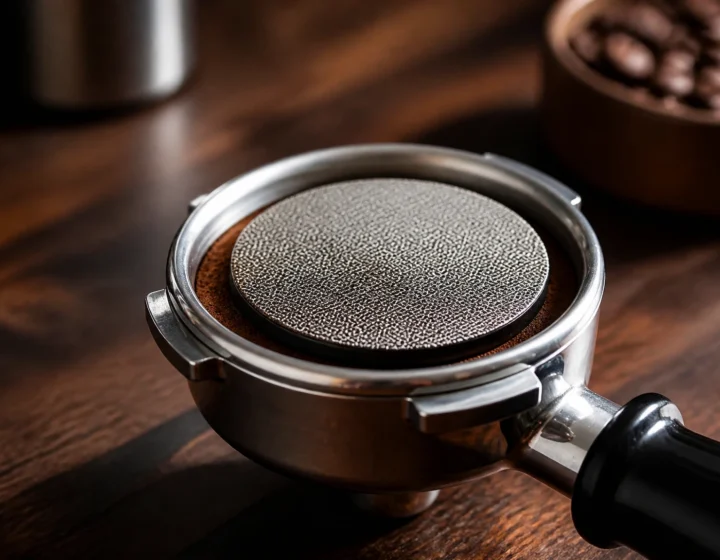
Unless you’re prepared to dedicate significant counter space and maintenance time to a quality espresso setup, skip the home espresso machine. Cheap models produce disappointing results, while good ones require space and attention that small apartments can’t accommodate. The AeroPress produces excellent espresso-style concentrate without the spatial commitment.
Single-Serve Pod Machines
Pod machines might seem convenient, but they’re false economy in small spaces. They demand permanent counter space, produce mediocre coffee, and create ongoing waste.
Oversized Everything
That 12-cup French press might seem economical, but in a studio apartment, it’s just occupying space. Choose brewing equipment sized for your actual consumption, not your aspirational coffee habits.
Building a Compact Setup
Minimalist Setup: Best Coffee Gear for Tiny Kitchens
If space is very tight, this is the best coffee gear for tiny kitchens: AeroPress, quality hand grinder, stovetop gooseneck kettle, and a simple scale. The whole setup fits in a single drawer and makes very good coffee.
The Enthusiast’s Compact Station
With slightly more room: V60 or Chemex, Baratza Encore, electric gooseneck kettle, precision scale, and a rolling storage cart. This setup provides brewing flexibility while maintaining a small footprint that won’t overwhelm your kitchen.
When You Need a Drip Machine
While manual methods dominate small-space recommendations, some situations demand the convenience of automatic brewing. The KRUPS Simply Brew 5-Cup Coffee Maker makes decent coffee in a small footprint, useful when you are making several cups. For a larger programmable option, the Kenmore 12-Cup Programmable Coffee Maker is relatively compact for a 12-cup programmable machine.
| Setup Type | Equipment | Storage Space | Skill Level | Cost |
|---|---|---|---|---|
| Minimalist | AeroPress, hand grinder, stovetop kettle, scale | Single drawer | Beginner | $100-150 |
| Enthusiast | V60/Chemex, Baratza Encore, electric kettle, scale | Small cart | Intermediate | $300-400 |
What Quality Coffee Equipment Actually Costs
Starter Budget ($100-150)
- AeroPress: $30-40
- JavaPresse hand grinder: $25-35
- Stovetop gooseneck kettle: $25-35
- Basic scale: $15-25
Enthusiast Budget ($300-400)
- Chemex or V60: $40-50
- Baratza Encore: $140-170
- Electric gooseneck kettle: $80-100
- Precision scale: $30-50
Frequently Asked Questions
What’s the smallest coffee maker for apartments?
The AeroPress is the most compact full-featured coffee maker, measuring just 4 inches in diameter. It makes excellent coffee and stores in a single drawer.
How do you make good coffee in a tiny kitchen?
Focus on manual brewing methods (AeroPress, pour-over, French press) that require no counter space and pair them with a hand grinder for maximum quality in minimal space.
Is a coffee grinder necessary for small apartments?
Yes, but choose a hand grinder like the JavaPresse, which delivers excellent grind quality while occupying the same space as a water bottle.
Conclusion
Living in a small apartment does not mean settling for poor coffee or spending heavily at cafés. With a few well-chosen pieces and some creative storage, a small kitchen can make coffee as good as a large one.
Your Next Steps:
- Start with an AeroPress and hand grinder—under $100 total, fits in a drawer
- Master one brewing method completely before adding equipment
- Assess your actual daily consumption (not aspirational) before choosing sizes
It is not about having the most equipment but the right equipment: pieces that earn their place through performance and versatility.
In the end, the best coffee setup is the one you’ll actually use every day, not the one gathering dust because it’s too complicated or space-consuming.