Bad coffee at home usually comes down to equipment: blade grinders create inconsistent particle sizes causing simultaneous over and under-extraction, cheap drip makers brew at wrong temperatures, and lack of measurement tools leads to inconsistent ratios. Fix it by upgrading to a burr grinder ($60-250), using a digital scale ($25-50), and improving water quality ($15-60).
If your coffee at home tastes worse than a café cup, you have probably blamed your technique, your beans or your water. The more likely culprit is the equipment on your counter.
Most bad-coffee problems at home trace back to gear that’s either fundamentally flawed, poorly maintained, or wrong for the job.
Fixing bad coffee starts with identifying which piece of equipment is causing your specific problem. Good technique, premium beans and good water cannot make up for a grinder that produces everything from powder to pebbles, or a brewer that cannot hold a proper temperature.
Most of these problems have specific causes and clear fixes.
Quick pick
Baratza Encore: replacing a blade grinder with a burr grinder is the single change most likely to fix sour or bitter coffee.
Common Types of Bad Coffee
Five Common Flavor Problems
Bad coffee usually fails in one of five recognizable ways, and each points to a different cause.
Bitter Coffee: Over-extraction caused by too much contact time, too fine a grind, or too hot water. Tastes harsh, astringent, and leaves an unpleasant aftertaste.
Sour Coffee: Under-extraction from too little contact time, too coarse a grind, or too cool water. Tastes sharp, acidic, and thin.
Weak Coffee: Insufficient coffee-to-water ratio or poor extraction efficiency. Tastes watery and lacks body.
Muddy Coffee: Poor filtration or inconsistent grind size. Tastes gritty and lacks clarity.
Stale Coffee: Old beans, poor storage, or contaminated equipment. Tastes flat, cardboard-like, or rancid.
The Equipment Culprits
Each flavor failure typically points to specific coffee brewing equipment problems:
- Grinder Issues: Inconsistent particle size, heat generation, static
- Brewing Device Problems: Poor temperature control, uneven water distribution, inadequate filtration
- Scale/Measurement Failures: Inconsistent ratios, timing problems
- Storage Problems: Stale beans, contaminated containers
- Water Quality Issues: Mineral content, filtration problems
Quick Diagnosis: Match Your Problem to Equipment Solution
| Coffee Problem | Most Likely Cause | Equipment Fix | Estimated Cost |
|---|---|---|---|
| Bitter | Over-extraction, too hot | Temperature-controlled brewer | $150-320 |
| Sour | Under-extraction, too cool | Better grinder, proper brewer | $140-400 |
| Weak | Poor extraction, wrong ratio | Burr grinder + scale | $170-300 |
| Muddy | Inconsistent grind | Burr grinder | $60-250 |
| Stale | Old beans, poor storage | Airtight container | $30-50 |
| Inconsistent | All variables wrong | Complete setup | $200-540 |
Why Coffee Tastes Bad: The Equipment Behind It
The Grinder
The Problem with Blade Grinders
If you use a blade grinder, it is the most likely cause. A blade grinder chops beans with a spinning blade instead of grinding them to a set size, so you get a mix of powder, properly sized particles and large chunks.
The Blade Grinder Problems:
- Particle size ranges from dust to pebbles
- Heat generation damages flavor compounds
- Static electricity creates mess and inconsistency
- No control over grind size
- Inconsistent results every time
The Coffee Impact: Simultaneous over-extraction (from the powder) and under-extraction (from the chunks), creating bitter, sour, muddy coffee that tastes different every day.
The Burr Grinder Solution
Burr grinders crush coffee between two surfaces, creating uniform particle sizes that extract evenly.
Based on independent reviews and long-term owner feedback, the best coffee grinder for most people is a burr grinder in the $140-250 range. The Baratza Encore is the classic example: owners consistently report that the improvement over a blade grinder is obvious, even to coffee novices. (For a complete breakdown of grinder options across all price points, see our guide to the best coffee grinders for every budget and brewing method.)
Entry Level: Baratza Encore ($140)
- Consistent particle size distribution
- 40 grind settings
- Replaceable burrs
- Minimal heat generation
- Clear improvement over a blade grinder
Mid-Range: Baratza Virtuoso+ ($250)
- Faster grinding with less retention
- Digital timer for consistency
- Better burr set for improved uniformity
- Quieter operation
The Performance Impact: Upgrading from blade to burr gives you far more even particle sizes, which removes much of the bitter-and-sour-at-once confusion that plagues blade grinder users.
Manual Grinder Alternatives
For budget-conscious coffee lovers, manual grinders offer burr quality at lower prices:
- Timemore C2 ($60): Excellent consistency, portable, great value
- 1Zpresso JX ($160): Professional-level performance, faster grinding
- Comandante C40 ($250): Precision engineering, exceptional uniformity
Brewing Equipment
The Problem with Cheap Drip Machines
Many budget automatic drip machines fall short on the basics of proper brewing:
- Temperature Problems: Often brew below the recommended 195-205°F (SCA Golden Cup Standard)
- Contact Time Issues: Rush water through coffee too quickly
- Water Distribution Failures: Single-point injection creates channeling
- Heat Plates: Keep cooking the coffee, which makes it taste bitter
The Result: Weak, bitter, or sour coffee that gets worse as it sits on the heat plate.
The SCA-Certified Solution
The performance gap between basic and certified drip makers is real. Many budget machines never get water hot enough for proper extraction, while SCA-certified brewers like the Technivorm Moccamaster must hold 92–96°C (197.6–204.8°F) and hit brew-time targets to earn certification.
The Specialty Coffee Association certifies machines that meet its brewing standards for temperature and brew time (Specialty Coffee Association brewing standards, 2024):
Bonavita Connoisseur ($150):
- Proper brewing temperature (195-205°F)
- Pre-infusion for even saturation
- Optimal contact time
- Even water distribution
- No heat plate to ruin coffee
Technivorm Moccamaster ($320):
- Precise temperature control
- Copper heating element
- Optimal extraction time
- Handmade quality
- 5-year warranty
KRUPS Essential Brewer ($100):
- SCA-certified at entry-level price
- Proper brewing temperature
- Straightforward operation
- Excellent value for beginners
Performance Difference: SCA-certified machines meet published temperature and brew-time standards, so they deliver better extraction than basic drip makers with no technique required.
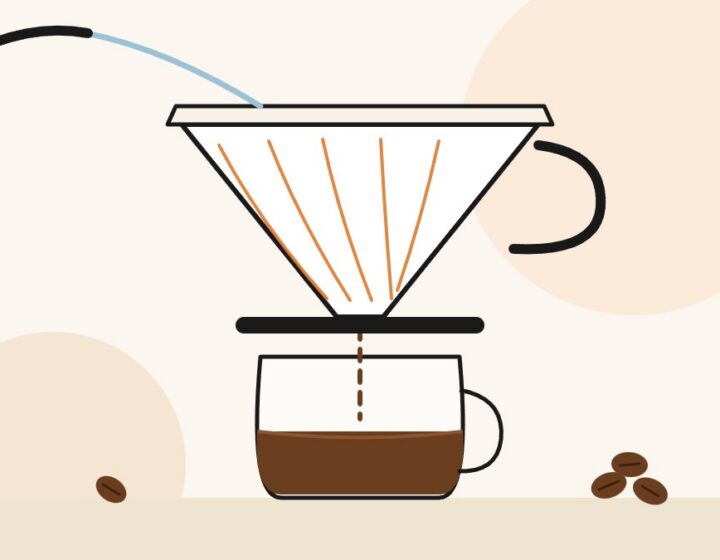
Pour-Over Precision
For those willing to invest time in technique, pour-over methods offer the most control:
Hario V60 ($12-25):
- Complete control over variables
- Excellent extraction when mastered
- Requires gooseneck kettle and technique
- Unforgiving of poor execution
Chemex ($45-55):
- Thick filters for clean cups
- Beautiful design
- Forgiving brewing method
- Excellent for multiple cups
The Trade-off: Manual methods require skill development but offer the highest ceiling for coffee quality.
The Scale: Measuring for Consistency
Why Scoops Are Inaccurate
Scoops and measuring cups measure volume, not weight, and coffee density varies with roast level, grind size and bean origin.
The Scoop Problems:
- Bean density varies, so the same scoop can hold noticeably different weights of coffee
- No timing capability
- Encourages guesswork over precision
- Makes recipe replication impossible
The Digital Scale Solution
Weighing coffee and water removes the guesswork of scoops, so you can repeat a good cup and fix a bad one.
Hario V60 Drip Scale ($45):
- 0.1g precision
- Built-in timer
- Water-resistant design
- Sized for pour-over brewing
Acaia Pearl ($140):
- Professional-grade accuracy
- App connectivity
- Flow rate monitoring
- Barista competition standard
Starting Ratio: Use 1:16 (1 gram coffee to 16 grams water). For a standard 12-oz mug (350g water), use 22g coffee. Adjust from there: more coffee for stronger, less for weaker. A scale makes these adjustments precise and repeatable.
The Impact: Consistent ratios eliminate one of the biggest variables in home brewing.
Water Quality
How Tap Water Affects Flavor
Coffee is 98% water, yet most people pay more attention to their coffee beans than their water quality. Tap water varies dramatically in mineral content, chlorine levels, and pH—all factors that significantly impact extraction and flavor.
Common Water Problems:
- Chlorine: Creates medicinal off-flavors that overpower coffee notes
- Hard water: Over-extracts coffee, leading to bitter, harsh taste
- Soft water: Under-extracts coffee, creating sour, weak brew
- Poor filtration: Allows contaminants that muddy flavor clarity
The Filtration Fix
Basic Carbon Filter ($15-25):
- Removes chlorine and basic contaminants
- Improves taste immediately
- Easy installation and maintenance
- Low cost
Peak Water Pitcher ($60):
- Optimizes mineral content for coffee
- Removes chlorine and contaminants
- Adds beneficial minerals
- Designed specifically for coffee brewing
Third Wave Water ($20/month):
- Mineral packets for distilled water
- Precise mineral control
- Consistent results anywhere
- Professional-level water optimization
Storage: Where Good Coffee Goes Stale
The Pantry Problem
Most people store coffee like it’s rice—in whatever container is handy, wherever there’s space. Coffee beans start losing flavor soon after roasting.
Storage Enemies:
- Oxygen (causes oxidation and staling)
- Light (accelerates degradation)
- Heat (speeds up chemical reactions)
- Moisture (creates mold and off-flavors)
The Freshness Solution
Airscape Canister ($30-45):
- Vacuum seal removes oxygen
- Opaque construction blocks light
- Durable stainless steel
- Helps beans stay fresh longer
Fellow Atmos ($35-50):
- Integrated vacuum pump
- Sleek design
- Easy operation
- Excellent seal integrity
The Impact: Proper storage keeps beans tasting fresh for longer.
Espresso Equipment
Why Cheap Espresso Machines Fail
Espresso is the most equipment-dependent coffee method, requiring precise pressure, temperature, and timing. Cheap espresso machines fail at all three:
- Pressure Problems: Many cannot deliver the roughly 9 bars espresso needs
- Temperature Issues: Inconsistent heating and poor thermal stability
- Build Quality: Plastic components that fail quickly
- Grinder Integration: Built-in grinders that are often too inconsistent for espresso
The Entry-Level Espresso Solution
Gaggia Classic Pro ($450):
- Commercial-grade components
- Proper 9-bar pressure
- Manual steam wand for learning
- Upgradeable and repairable
- 30+ year proven design
Grinder Pairing: Baratza Sette 270 ($350):
- Purpose-built for espresso
- Excellent consistency
- Minimal retention
- Easy adjustment
Total Investment: About $800 for the pair, compared with $200-300 for machines that struggle to make true espresso.
Can’t Upgrade Yet? Temporary Fixes to Improve Coffee Now
If budget constraints prevent immediate coffee gear upgrades, these techniques minimize damage from subpar equipment:
Blade Grinder Damage Control: Grind in short pulses, shake between pulses, and use slightly more coffee to compensate for inconsistency.
Poor Brewing Machine Workaround: Preheat the machine by running water through, use the middle of the brew cycle (discard first and last portions), and transfer to a thermos immediately.
No Scale Alternative: Use the same scoop, same mug, same beans until you develop muscle memory—consistency matters more than precision.
These won’t match proper equipment, but they’ll noticeably improve your coffee while you save for upgrades.
The Upgrade Priority Matrix
Maximum Impact Upgrades (Do These First)
- Replace Blade Grinder with Burr Grinder
- Impact: much more even extraction
- Cost: $60-250
- Difficulty: Plug and play
- Add Digital Scale
- Impact: repeatable ratios, cup after cup
- Cost: $25-50
- Difficulty: Immediate
- Improve Water Quality
- Impact: cleaner, clearer flavor
- Cost: $15-60
- Difficulty: Simple installation
High Impact Upgrades (Do These Second)
- Upgrade Brewing Method
- Impact: better temperature control and extraction
- Cost: $12-320
- Difficulty: Technique required
- Better Storage
- Impact: beans stay fresh longer
- Cost: $30-50
- Difficulty: Immediate
Nice-to-Have Upgrades (Do These Last)
- Premium Accessories
- Impact: smaller, finishing-touch gains
- Cost: $50-200
- Difficulty: Varies
The Budget Reality Check
The Budget Setup (Around $200)
(For more budget-friendly options, see the best budget coffee equipment that punches above its weight.)
Essential Upgrades:
- Baratza Encore: $140
- Digital scale: $30
- Water filter: $20
- Basic storage: $30
Total: $220 for the core upgrades
The $500 Complete Setup
Premium Upgrades:
- Baratza Virtuoso+: $250
- Bonavita Connoisseur: $150
- Hario scale: $45
- Airscape canister: $35
- Water filtration: $60
Total: $540 for a complete home brewing setup
Does the Gear Pay for Itself?
If you buy coffee out most workdays, the equipment can pay for itself:
- Café savings: $4-6 per day × 250 days = $1,000-1,500 annually
- Equipment cost: $200-500 one-time investment
- Payback period: a few months if it replaces daily café visits
- Ongoing savings: your former café spend, minus the cost of beans
Why Coffee Tastes Bad: Troubleshooting Guide by Symptoms
“My coffee is always bitter”
Likely Causes: Over-extraction from too fine grind, too hot water, or too long contact time
Equipment Solutions: Better grinder for consistency, temperature-controlled brewing device, timer for precision
“My coffee is always sour”
Likely Causes: Under-extraction from too coarse grind, too cool water, or too short contact time
Equipment Solutions: Grinder with finer settings, proper brewing temperature, longer extraction method
“My coffee tastes different every day”
Likely Causes: Inconsistent ratios, grind size variation, or technique
Equipment Solutions: Digital scale, burr grinder, consistent brewing method
“My coffee tastes weak”
Likely Causes: Poor extraction efficiency or wrong ratios
Equipment Solutions: Better grinder, proper brewing device, accurate scale
“My coffee tastes stale”
Likely Causes: Old beans, poor storage, or contaminated equipment
Equipment Solutions: Proper storage containers, regular cleaning, fresher beans
The Maintenance Factor
Why Clean Equipment Matters
Coffee oils turn rancid, mineral deposits affect flow rates, and bacteria love warm, moist environments. Dirty equipment ruins even the best beans.
Cleaning Essentials:
- Cafiza for removing coffee oils
- Dezcal for mineral deposits
- Grinder cleaning tablets
- Microfiber cloths
- Regular cleaning schedule
The Performance Impact
Clean equipment:
- Improves flavor clarity
- Extends equipment life
- Prevents off-flavors and contamination
- Maintains optimal performance
Two Quick Checks Before You Buy Anything
Before replacing gear, rule out the two cheapest causes of bad coffee.
- Smell the beans. Fresh coffee smells sweet and distinct as soon as you open the bag. If it smells like cardboard or very little at all, the beans are stale and no equipment will fix that. Check the roast date and aim to use beans within a few weeks of it.
- Taste your water warm. Heat a little tap water and taste it. If it tastes of chlorine, metal or minerals, your coffee will too. A filter pitcher is the easiest fix.
If both check out, use taste to adjust: sour or thin coffee usually means under-extraction (grind finer or brew longer), and bitter or harsh coffee usually means over-extraction (grind coarser or shorten the brew).
Where to Start If You Are Upgrading
Fix problems in this order, cheapest first. Each of these addresses one of the causes above.
- Baratza Encore: a consistent burr grinder, the upgrade that fixes the most common cause of sour or bitter cups.
- Hario V60 Drip Scale: weighs coffee and water to 0.1 g and times the brew, so each cup is repeatable.
- Brita 27-cup water dispenser: an easy way to remove chlorine taste if your tap water is the problem.
- AirScape stainless canister: keeps beans away from air and light between bags.
- OXO Brew 8-Cup Coffee Maker (our notes): an SCA-certified drip machine if your current brewer runs too cool.
Frequently Asked Questions
Why does my coffee taste bad even with good beans?
Good beans can’t overcome equipment problems like inconsistent grind size, wrong brewing temperature, or improper ratios. A blade grinder creates particles ranging from powder to pebbles, causing simultaneous over-extraction (bitter) and under-extraction (sour) regardless of bean quality.
What’s the #1 equipment upgrade to fix bad coffee?
Replace your blade grinder with a burr grinder. This single upgrade makes the biggest difference because burr grinders create uniform particle sizes that extract evenly, while blade grinders produce chaotic size variations.
How much should I spend to fix coffee equipment problems?
The minimum effective investment is $200-250: a Baratza Encore grinder ($140), digital scale ($30), water filter ($20), and proper storage ($30). This addresses the four main causes of bad coffee at home.
Conclusion
Bad coffee at home is usually a solvable equipment problem. Each common flavor fault has an identifiable cause, so the real question is which upgrades give you the biggest improvement for the money.
Start with the fundamentals: a burr grinder, a digital scale, and better water. For most people, these three upgrades make a bigger difference than refining technique or buying pricier beans. (These same equipment principles apply whether you’re brewing regular or decaf—see our guide to the best coffee equipment for making decaf if you’re caffeine-sensitive.) They address the root causes of inconsistency, poor extraction, and off-flavors that plague most home brewing.
Your first step: identify which of the five flavor failures (bitter, sour, weak, muddy, or stale) describes your coffee, then match it to the equipment problem in our troubleshooting guide above. Start with the Maximum Impact Upgrades—a burr grinder and digital scale will improve coffee taste within days.