Manual coffee brewing can outperform automatic machines because it gives you precise control over four critical extraction variables: water temperature (adjustable for different roast levels), bloom time (30-45 seconds for optimal CO₂ release), grind size (customizable for bean origin and freshness), and pour rate (controlling extraction speed). That control makes it easier to hit the SCA’s recommended 18-22% extraction range, while many basic automatic machines run cooler and under-extract, resulting in less complex coffee.
Coffee science and professional baristas generally agree that manual brewing gives you more control than most automatic machines, and that control usually shows up in the cup.
Automatic machines offer convenience and consistency, but they fix variables that manual brewing lets you adjust.
Quick pick
Hario V60 plastic dripper: an inexpensive way to start brewing by hand.
Manual vs Automatic Coffee: Quick Comparison
| Factor | Manual Brewing | Automatic Machines |
|---|---|---|
| Extraction Yield | Easier to hit 18-22% (SCA target) | Often lower on basic machines |
| Temperature Control | Adjustable (195-208°F) | Fixed (~200°F) |
| Bloom Control | 30-45 sec customizable | None/automatic |
| Grind Adaptability | Adjust per bean/roast | Fixed assumption |
| Learning Curve | 2-3 weeks practice | Immediate |
| Brew Time | 4-6 minutes | 2-3 minutes |
| Equipment Cost | $50-200 (lasts decades) | $100-300+ (needs replacement) |
| Flavor Complexity | High (full control) | Moderate (limited control) |
The Science of Extraction Control
Coffee Extraction Temperature
Automatic coffee makers typically heat water to a single temperature—usually around 200°F (93°C)—and maintain it throughout the brewing process. The catch is that different coffees can benefit from different brewing temperatures.
Light roasts, with their denser cellular structure and higher acidity, often benefit from slightly higher temperatures (205-208°F) to fully extract their complex flavor compounds. Dark roasts, already broken down by extended roasting, extract well at lower temperatures (195-200°F) without pulling excessive bitter compounds.
With manual coffee brewing methods like pour over coffee or French press, you control this variable. A temperature-controlled gooseneck kettle such as the COSORI Electric Gooseneck Kettle, 1200W, 1L with 5 Temperature Presets makes it easy to hit your target temperature.
The difference is real: many basic automatic machines never reach the SCA’s recommended range or swing noticeably during a brew cycle, which can leave coffee flat or unbalanced.
The Art of Bloom Control
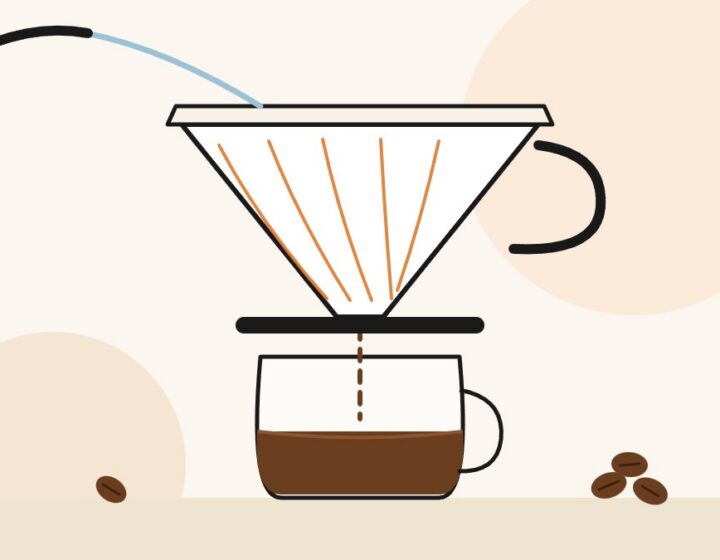
The bloom is another advantage of manual brewing. When hot water first contacts freshly ground coffee, CO₂ trapped in the grounds escapes quickly and the bed swells. This degassing helps the coffee extract evenly.
Most automatic machines pour water onto the grounds without a separate bloom. Manual brewing allows you to control the bloom—typically 30-45 seconds with twice the coffee’s weight in water—letting the CO₂ escape before the main extraction begins. Tools like the DOWAN Pour Over Coffee Maker or the Hario V60 Ceramic Coffee Dripper make this process intuitive and repeatable.
A proper bloom helps coffee extract evenly and land in the SCA’s recommended 18-22% extraction range. Many basic automatic machines skip the bloom and under-extract, which tastes flatter and less complex. (For more on timing and troubleshooting your bloom, see Coffee Bloom Explained (2026): Exact Timing, Ratios, and How to Fix Flat Pour-Overs.)

Grind Size and Particle Distribution
Grind Size
Automatic machines assume a specific grind size—usually medium—and build their timing and flow rates around this assumption. But the best grind size varies based on:
- Bean origin: Beans from different origins can need slightly different grind settings
- Roast level: Lighter roasts benefit from finer grinds to enhance extraction
- Coffee age: Two-week-old coffee needs finer grinding than the same coffee at three days post-roast
Manual brewing lets you adjust for these variables in real-time. Choosing between manual vs electric coffee grinders is an important first step in gaining this control.
A burr grinder is essential. For home use, the Wancle Electric Burr Coffee Grinder with 28 Precise Settings offers good control over grind size, so you can dial in each coffee.
Particle Distribution
Manual coffee brewing also allows you to leverage grind particle distribution strategically. A slight bias toward finer particles can enhance body in pour over coffee methods, while a more uniform distribution works better for immersion brewing like French press.
High-quality burr grinders produce different particle distributions at different settings, and understanding these patterns gives manual brewers more room to adjust flavor.
Water Flow Dynamics
Agitation Control
Automatic machines typically use shower heads or single-point water delivery, which can saturate the bed unevenly, with some parts of the coffee getting far more water than others.
Manual pour-over techniques allow precise agitation control. Using a quality dripper like the Hario V60, a slow spiral pour pattern promotes even saturation while controlling extraction speed. However, excessive agitation can lead to bitterness—learn how to fix bitter pour-over coffee by adjusting grind size, water chemistry, and agitation technique. Gentle agitation during French press brewing can also increase extraction compared with static steeping.
Flow Rate Precision
The speed at which water passes through coffee grounds strongly affects extraction. Fast flow emphasizes brightness and acidity; slower flow develops body and sweetness. Automatic machines use fixed flow rates, but manual brewing lets you adjust this variable throughout the brewing process.
Use a reliable scale like the Hario V60 Drip Scale with Timer to track your pour rates (grams per second) and keep your brews repeatable.
The Freshness Factor
Timing Flexibility
Coffee’s flavor compounds are volatile and time-sensitive. The optimal brewing time varies based on roast date, storage conditions, and even ambient humidity. Automatic machines can’t account for these variables.
Manual brewing allows real-time adjustments. If your coffee tastes under-extracted, extend the brewing time by 30 seconds. If it’s bitter, reduce contact time or adjust grind size for the next cup. Pre-programmed automatic machines don’t allow this.
Sensory Feedback Integration
Manual brewing also engages your senses throughout the process. You can smell the bloom, observe the extraction color, and even taste the brewing coffee to make micro-adjustments.
Baristas who develop manual brewing skills tend to produce better coffee because they learn to read and respond to sensory cues that automatic machines ignore.
The Experience of Brewing by Hand
Attention and Flavor Perception
Manual brewing also changes the experience. The focused attention it requires can make you more aware of aroma and flavor.
When you’re actively involved in brewing, you may notice more complexity in the finished cup.
Skill Development
Manual brewing develops expertise that transfers to coffee appreciation generally. Understanding extraction principles makes you a better coffee consumer, whether you’re evaluating beans, visiting cafés, or even using automatic machines when convenience demands it.
Getting Started with Manual Coffee Brewing
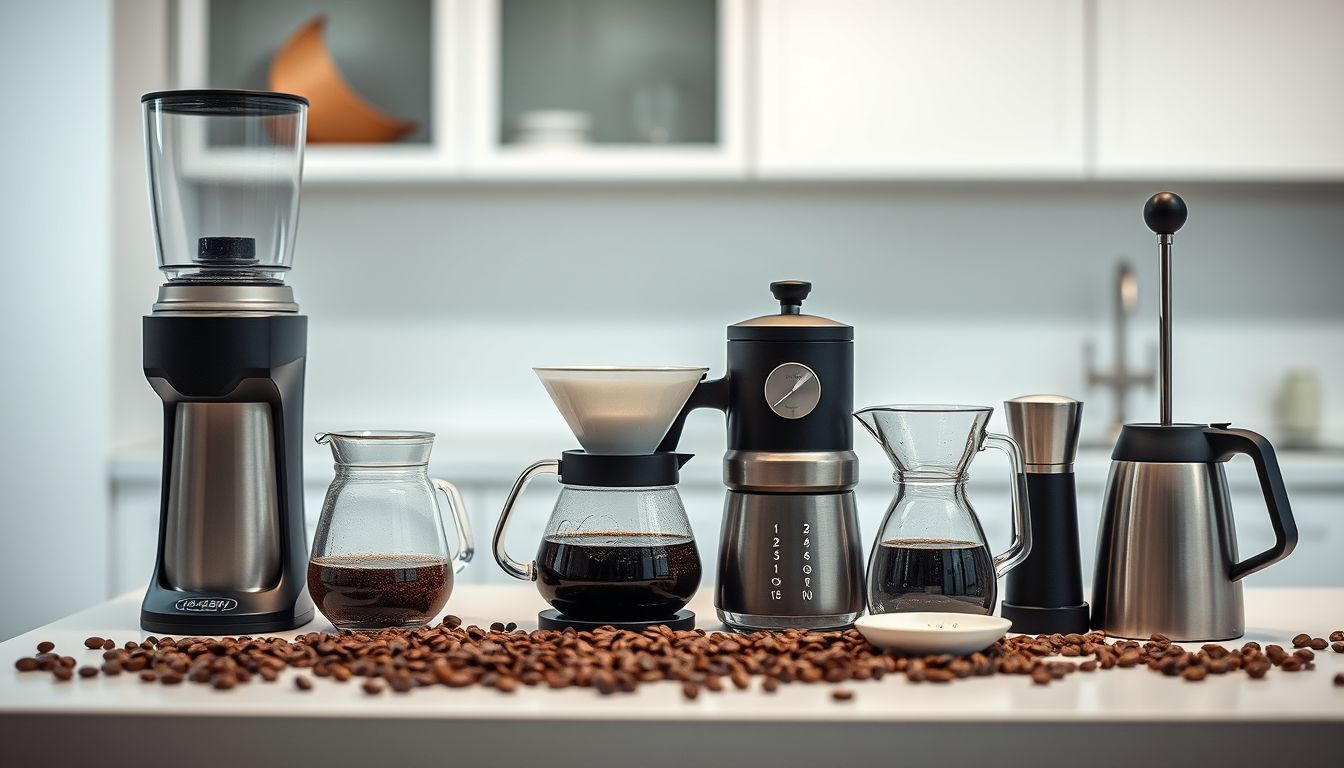
Essential Equipment
- Burr grinder – Wancle Electric Burr Coffee Grinder for precision control
- Brewing device – Hario V60 for pour-over or Mueller French Press for immersion
- Gooseneck kettle – COSORI Electric Kettle with temperature control
- Scale – Hario V60 Drip Scale for precise measurements
Your First Week
- Days 1-2: Practice water pouring technique without coffee
- Days 3-4: Brew with medium grind, 200°F water, standard ratios (1:16 coffee to water)
- Days 5-7: Experiment with grind size adjustments to taste
For comprehensive equipment guidance across all budgets, see The Best Coffee Grinders for Every Budget and Brewing Method.
Is Manual Coffee Brewing Practical for Daily Use?
The Time Investment Reality
Yes, manual brewing takes more time—typically 4-6 minutes versus 2-3 for automatic machines. That is a few extra minutes for something you drink every day, and many people find the better cup worth it.
Consistency Through Understanding
Automatic machines are often said to be more consistent. Once you understand the principles, manual brewing can be just as consistent, and at a higher quality.
With proper technique and a scale, manual brewing can be very consistent day to day, often more so than automatic machines that suffer from scale buildup, heating element degradation, and other maintenance issues.
Cost and Longevity
Equipment Longevity
High-quality manual brewing equipment—a good burr grinder, scale, and brewing device—can last decades with minimal maintenance. Automatic machines require regular descaling, part replacement, and eventual replacement of complex internal components.
Invest in versatile, low-maintenance tools like the MuellerLiving French Press Coffee Maker, 34oz Stainless Steel and the classic Hario V60 Ceramic Coffee Dripper, Size 02, White for a setup with lower long-term costs than an automatic machine.
Getting More from Good Beans
Manual brewing helps you get the most from quality beans. When you can optimize extraction for each coffee, you taste more of what you paid for. This is especially important with specialty coffees where subtle flavor notes justify premium prices.
Frequently Asked Questions
Is manual coffee brewing worth the extra time?
Yes. Manual brewing adds a few minutes but gives you control over extraction, which usually means more complex flavor. For many people the better cup is worth the extra minutes.
Can automatic coffee makers match manual brewing quality?
Not usually. Most automatic machines use fixed temperatures (typically 200°F) and flow rates that cannot adapt to different bean origins, roast levels, or freshness—variables that significantly impact optimal extraction.
What’s the most important variable in manual brewing?
Temperature control. Different coffees require different extraction temperatures (195-208°F range), and manual methods let you adjust precisely, while automatic machines use one-size-fits-all settings.
Final Thoughts
Manual brewing gives you control over extraction variables that most automatic machines fix in place, and that control is the main reason it can produce better coffee.
Temperature, bloom, grind and flow rate are all adjustable by hand, which makes balanced, complex coffee easier to achieve. You also build skills that help when choosing beans or judging coffee anywhere.
To start, try a simple pour-over setup—a Hario V60, quality burr grinder, and gooseneck kettle—and commit to two weeks of daily practice. Track your results, adjust one variable at a time, and note how each change affects the cup.