The Short Answer
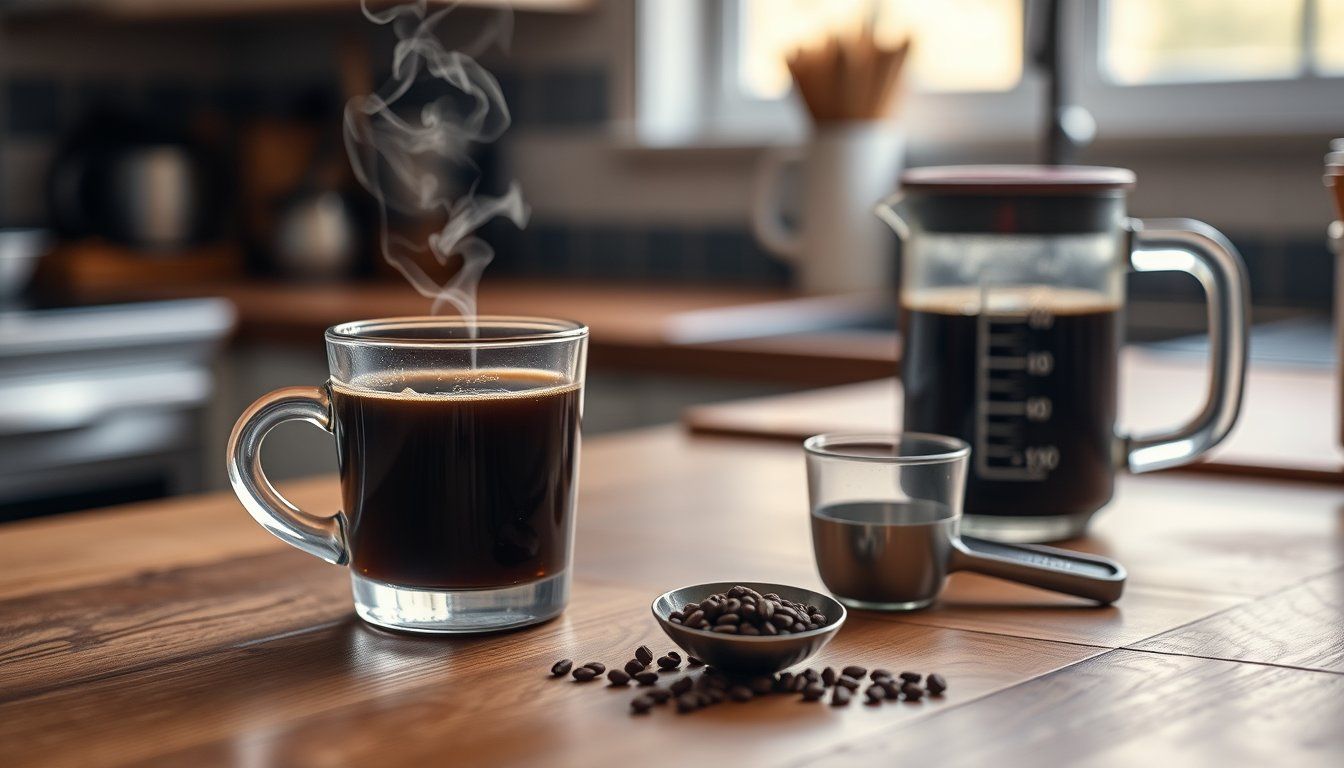
The ideal coffee to water ratio for most brewing methods is 1:15 to 1:17 (1 gram of coffee per 15-17 grams of water). For an 8-oz cup (240ml), use 15-16 grams of coffee (about 3 tablespoons). Adjust within this range to match your taste preferences and brewing method.
If your home brews rarely match your favorite café, the missing piece is usually the coffee-to-water ratio. The fix takes only a few seconds per brew, and you don’t need a calculator. This guide shows the simple way to get consistent results.
What Is a Coffee to Water Ratio and Why It Matters
A coffee to water ratio is the proportion of coffee to water (e.g., 1:15 = 1 part coffee, 15 parts water). This balance drives extraction, strength, and flavor. According to the Specialty Coffee Association, the “Golden Ratio” standard is 55g of coffee per liter of water (approximately 1:18), though many home brewers prefer slightly stronger coffee at 1:15-1:17.
Why it matters
- Consistency: Same inputs = same taste, every time.
- Flavor control: Nudge the ratio up or down to fine-tune strength.
- Balanced extraction: Prevents bitter over-extraction and watery under-extraction.
Recommended Starting Ratios by Method
These coffee brewing ratios serve as starting points, then adjust to taste:
- Drip coffee maker: 1:15–1:17 (like the Braun BrewSense)
- French press: 1:12–1:16
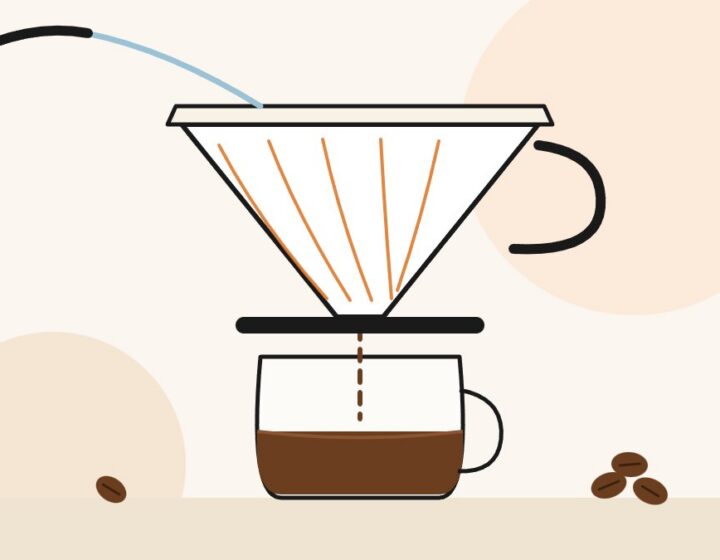
- Pour-over (V60/Kalita/Chemex): 1:15–1:17
- Espresso: 1:2–1:3 (brew ratio by weight)
- Cold brew: 1:8–1:10 (steep strong; dilute to serve if desired)
For consistent results, programmable coffee makers like the SHARDOR 8-Cup Thermal Carafe or the Technivorm Moccamaster maintain precise water temperatures and even saturation—making it easier to dial in your ideal ratio.

Tip: Start in the middle of each range (e.g., 1:16 for drip) and make small adjustments over a few brews.
Measuring Without a Scale
You can still be consistent with common kitchen tools.
Tablespoons (approximate):
- Whole beans: ~5 g per level tbsp
- Ground coffee: ~5–7 g per level tbsp (varies with grind)
Measuring cups:
- Water: 1 cup = 8 fl oz ≈ 240 ml
How Much Coffee Per Cup Without a Scale
Quick coffee to water ratio formula:
coffee (g) = water (ml) ÷ ratio denominator
Examples
- One 8-oz cup (240 ml) at 1:15 → 16 g coffee (≈ 3 level tbsp)
- 12-oz mug (355 ml) at 1:16 → 22 g coffee (≈ 4–5 tbsp)
- 1 liter batch (1000 ml) at 1:16 → 62–63 g coffee (≈ 9–12 tbsp, depending on your spoon)
Practical Brewing Tips
- Be consistent with tools: Use the same spoon/scoop and cup every time.
- Dial in slowly: Adjust the ratio in small steps (±1 on the denominator), and pay attention to bloom quality during pour-over brewing—it’s a key indicator you’re in the right range.
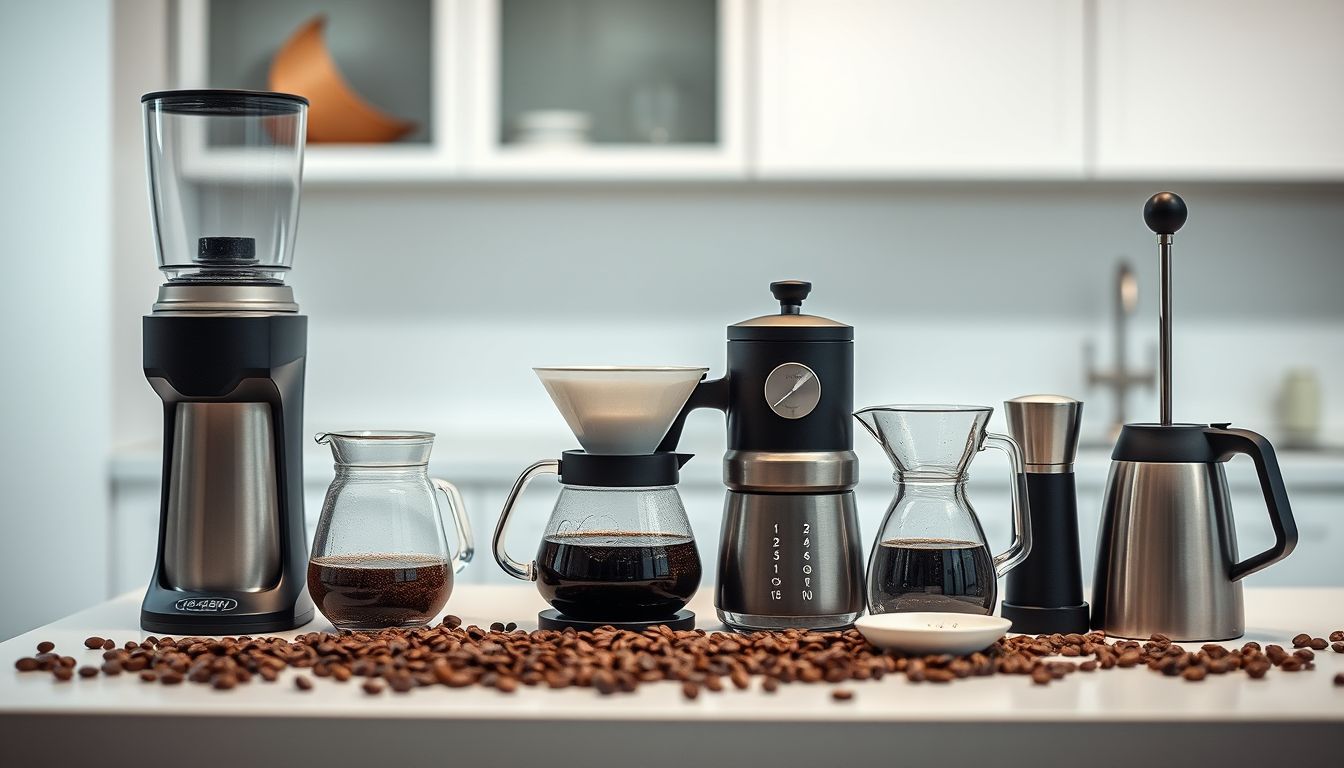
- Match the grind to the method: Coarse for French press, medium for drip, finer for pour-over, very fine for espresso. (See our grinder recommendations for each method.)
- Water quality & temp: Use filtered water at 195–205°F (90–96°C). Water below 195°F tends to under-extract (sour, weak coffee), while water above 205°F tends to over-extract (bitter, astringent notes). An instant-read thermometer makes it easy to stay in range.
- Take notes: Log ratio, grind size, and taste results. After a few brews, you’ll usually find a ratio you like and can repeat it.
Keep a Brew Log
Switching from eyeballing to measuring, even with a standard tablespoon and a 1:15 ratio, makes your brews far more consistent. Keep a simple brew log: many people settle around 1:16 for medium roasts and 1:15 for lighter roasts.
Heads-Up on “Coffee Maker Cups”
Many machines call 1 “cup” = 6 fl oz, not 8. That affects your math—check your maker’s markings and calculate with ml when you can.
Common Coffee Ratio Mistakes to Avoid
Even with the right ratio, these errors can throw off your brew:
- Using pre-ground coffee past its prime: Ground coffee starts losing aroma soon after grinding. Fresh-ground beans make the biggest difference.
- Ignoring water absorption: Coffee grounds absorb 1.5-2x their weight in water. If you want 12 oz in your cup, brew 14 oz to account for absorption.
- Mixing volumetric and weight measurements: “1 cup of coffee” means different things (grounds vs. water, 6 oz vs. 8 oz). Stick to one measurement system.
- Not accounting for ice in iced coffee: For iced coffee, brew at 1:12 (stronger) over ice, or brew regular and refrigerate.
Action Steps
- Pick a starting ratio for your method (e.g., 1:16 for drip).
- Measure with the same spoon and cup each time.
- Adjust the ratio slightly over a few brews until it tastes right.
FAQ
| Question | Quick Answer |
|---|---|
| What is the best coffee to water ratio? | 1:15 to 1:17 for most methods (drip, pour-over) |
| How much coffee per cup should I use? | 15-16 grams or 3 tablespoons for 8 oz of water |
| How to make coffee stronger? | Use more coffee (1:14 ratio) or less water |
| Does grind size change the ratio? | The ratio can stay the same, but grind affects extraction time and taste |
Can I use any spoon?
Yes—just use the same spoon every time for consistency.
How do I make it stronger or weaker?
Stronger = more coffee (or less water). Weaker = less coffee (or more water). Adjust in small steps. Not sure which way to go? Our Coffee Strength Calculator tells you exactly how many grams of coffee or milliliters of water to add to hit your target strength.
Does grind size change the ratio?
The ratio can stay the same, but grind affects extraction time and taste. Use the right grind for your method.
Is filtered water worth it?
Usually yes—better water = better flavor.
How hot should the water be?
195–205°F (90–96°C). Too hot can taste harsh; too cool tastes flat.
Conclusion
Getting the coffee-to-water ratio right is one of the quickest ways to better coffee at home. Start with the suggested range for your method, measure consistently, and adjust to taste. Note the result after each brew, and within a few brews you should have a ratio you can repeat.
Keep learning: